








































The evolution of technology has enabled users to explore operating systems directly within their web browsers. This innovative approach allows individuals to experience classic and modern operating systems without the need for complex installations or virtual machines. Here is a look at six operating systems that can be run entirely online, each offering a unique digital experience.
Classic Operating Systems
For those nostalgic about the early days of personal computing, classic operating systems such as Windows 95 are now accessible through web browsers. The PCjs website, run by Jeff Parsons, allows users to run Windows 95 and even older versions like Windows 1.0 in a virtualized environment. This setup is particularly significant as installing and configuring virtual machines for these legacy systems can be quite challenging on contemporary hardware.
Users can easily navigate the interface, providing a reminder of the computing experience from the mid-’90s. The website also offers even older operating systems, allowing users to revisit the origins of one of the most popular desktop environments in history.
Another option for classic computing is IBM OS/2, which was initially released in 1987. PCjs also hosts versions of OS/2 from 1.0 to 1.3. While the interface may be less user-friendly than modern systems, users familiar with the operating system may still find it functional. The ability to launch the OS/2 or DOS terminal adds to the nostalgic experience, although navigating the system can be cumbersome for those who are not experts.
Modern Web-Based Solutions
Moving beyond nostalgia, modern solutions like ProzillaOS and exaequOS offer intriguing alternatives that cater to current computing needs. ProzillaOS provides a pseudo-operating system experience, featuring a desktop environment with basic applications such as a file manager and terminal. While it supports some UNIX/Linux commands, the overall experience may not be entirely reliable, especially with file uploads.
In contrast, exaequOS emphasizes learning and development. Based on UNIX, it supports various programming languages, including C and Lua. Users can experiment with coding through available applications and create WebAssembly apps, aligning with its goal of educating users on UNIX systems.
For fans of Apple’s products, Mac OS X is available through the Infinite Mac website. Users can access versions of Mac OS X up to 10.4, although many of these versions may not function optimally. The older Mac OS 9.0, however, provides a smoother experience, complete with classic games like DOOM. This serves as a fascinating glimpse into computing history for those accustomed to modern operating systems.
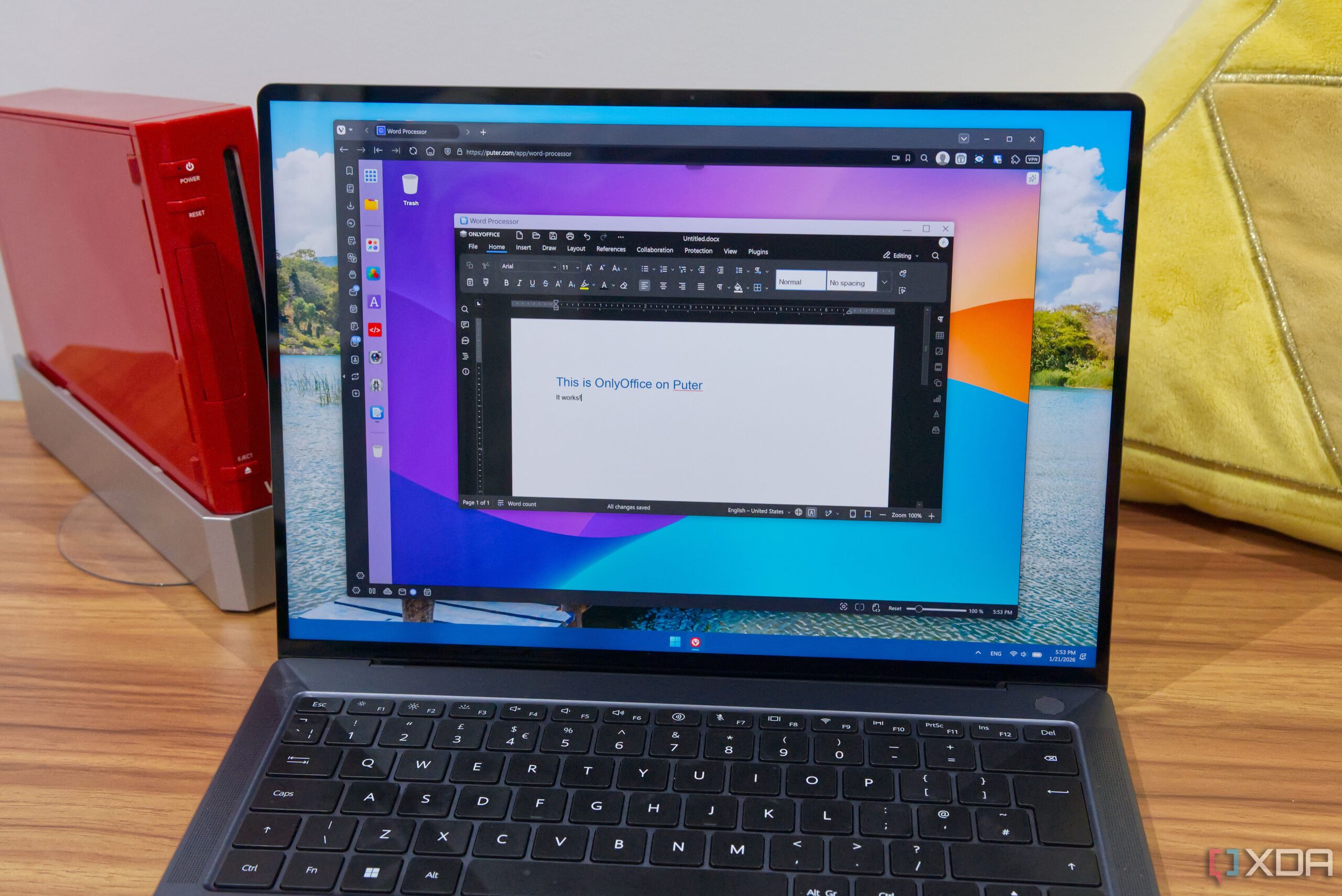
Finally, Puter stands out as a robust web-based operating system that offers a user-friendly experience. It features a well-designed file manager and a variety of applications, including a word processor called OnlyOffice. Users can save their work across sessions by signing in with an email address. This operating system also includes games, contributing to a comprehensive online experience that combines functionality with entertainment.
As technology continues to advance, the ability to run operating systems within web browsers showcases the significant strides made in digital environments. While these web-based systems may not replace traditional operating systems, they provide users with exciting opportunities to explore computing history and modern functionality without the need for complex setups. Whether reliving childhood memories or engaging in new projects, these platforms represent a remarkable shift in how we interact with technology today.
























