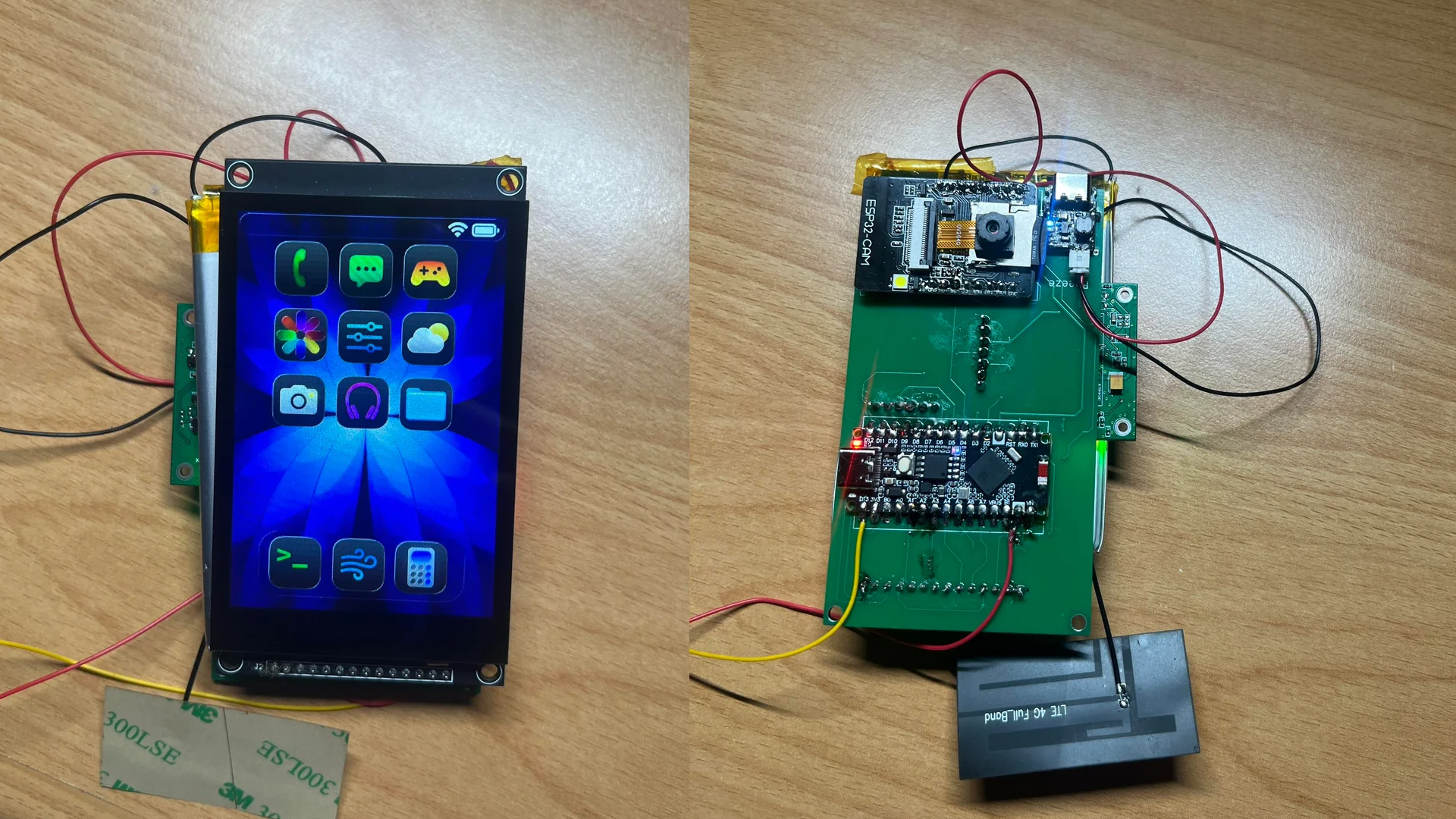
A tech enthusiast known as LuckyBor, also referred to as Breezy, has successfully designed and built a custom smartphone powered by the ESP32-S3 microcontroller. This innovative project showcases the potential of DIY technology, allowing users to experience a smartphone that operates independently of traditional operating systems such as Android or iOS.
The device features a 4G modem, specifically the A7682E simcom modem, enabling basic functionalities like calling and texting. Complementing this, the smartphone is equipped with an OV2640 Arducam module for photography and web browsing capabilities. While it may not boast the advanced features of flagship devices, it includes practical elements like a 3.5 mm audio jack and a compact 3.5-inch touchscreen, making it a versatile option for certain users.
Future Enhancements and Open Source Plans
Currently, the smartphone exists in an alpha version, characterized by a brick of layered modules. LuckyBor has ambitious plans to refine the design into a more streamlined form factor. The next iteration will incorporate a four-layer printed circuit board (PCB) that includes an SD-card adapter. Furthermore, LuckyBor intends to open-source both the hardware and software designs, promising comprehensive documentation upon finalization. This commitment to transparency is especially appealing to the open-source community.
The project stands out in a market often dominated by commercial hardware, which can raise concerns about privacy and security. While the performance of this DIY smartphone may not rival high-end models, it presents a unique alternative for those interested in customizing their digital experiences.
The Broader Impact of DIY Technology
The emergence of LuckyBor‘s smartphone reflects a growing trend towards open-source technology solutions. Similar initiatives, such as Postmarket OS and Redox OS, have made strides in offering alternatives to mainstream operating systems, albeit still on conventional hardware. This DIY smartphone project highlights the potential for individuals to take control of their devices, fostering innovation and community-driven development.
As LuckyBor moves forward with the project, many in the tech community are eager to see the final product and the open-source documentation that will accompany it. This venture not only demonstrates technical ingenuity but also inspires others to explore the possibilities of creating their own technology solutions.