








































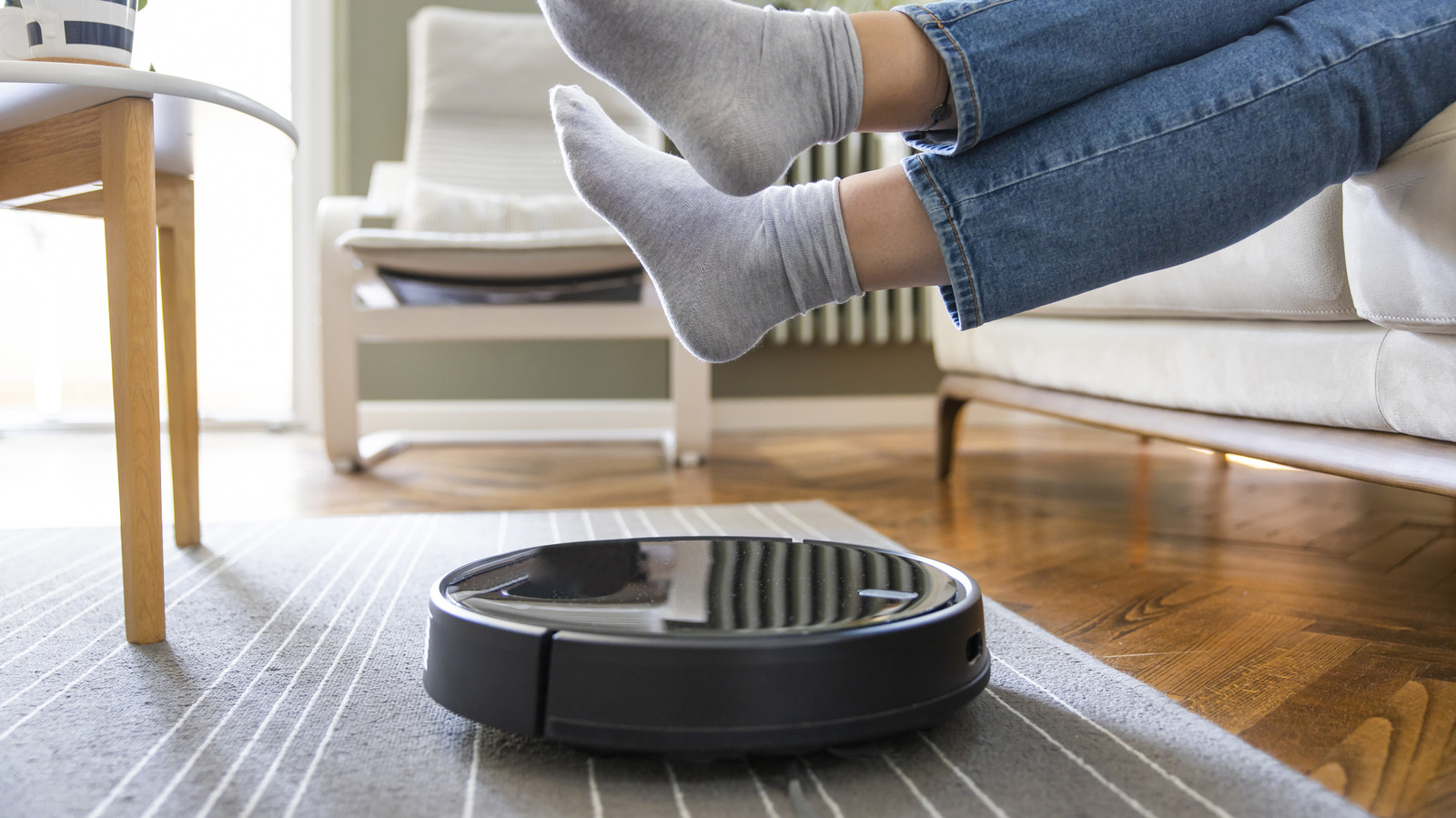
The robot vacuum market is experiencing a significant boom, with global shipments increasing by 18.7% in the first three quarters of 2025, according to data from the International Data Corporation. This surge in popularity can be attributed to declining prices and advancements in technology, making these once futuristic appliances an essential part of modern households. As consumers navigate this growing market, selecting the right robot vacuum brand is crucial, as the wrong choice could result in increased household chores rather than alleviation.
Top Brands Highlighted by Consumer Reports
Consumer Reports has identified several brands that stand out in the robot vacuum category, each evaluated based on performance, user satisfaction, and innovative features. Below, we delve into the top-rated brands and their leading products.
iRobot remains a household name with its Roomba series, particularly the Roomba Max 705. Despite facing challenges, including a bankruptcy filing at the end of 2025, attributed to heightened competition and tariffs, its products remain highly rated. The Roomba Max 705 features dual rubber brushes designed to minimize hair tangles and utilizes LiDAR technology for efficient navigation. This model can operate independently for up to 75 days thanks to its AutoEmpty dock, offering convenience to users.
Next is Dyson, a key player in the vacuum sector known for its innovative technology. The Dyson 360 Vis Nav boasts 22,000 Pa of suction power, claiming to outperform its competitors in carpet cleaning. Although it has garnered praise for its performance, customer satisfaction ratings are lower, possibly due to its small dust bin and higher price point, often retailing around $999.99.
Eureka offers a more budget-friendly option with its NERE10SW model, available for approximately $280. This robot vacuum features an auto-emptying base and can enhance suction power on carpets. Consumer Reports commended its performance on bare floors and with pet hair, although the model’s side brushes may sometimes scatter debris.
From China, OKP manufactures the OKP L1, which also employs LiDAR for navigation and excels in cleaning pet hair. However, a note of caution arises from a discovered data vulnerability during security testing, which could leave user controls exposed. Nevertheless, the OKP L1 is favored for its affordability and effective cleaning capabilities.
Miele is recognized for producing durable and high-quality appliances. The Miele RX3 Home Vision is equipped with a unique camera system, allowing users to monitor cleaning progress in real-time. With a runtime of 170 minutes, this model also focuses on eco-friendliness, earning recognition from Consumer Reports as a “Green Choice” product.
Samsung presents the Jet Bot AI+, which has achieved high ratings for its efficiency in handling pet hair and ease of use. Priced at around $1,299.99, it features an auto-empty function and relies on innovative design elements to minimize scattered debris.
Another contender, Ionvac, offers the 9048 model, known for its solid performance with a suction power of 2,000 Pa. While affordable at over $100, it lacks advanced features like auto-emptying, requiring manual dust bin emptying.
The Shark Navigator AV2110S is recognized for its reliability and effective cleaning, particularly with pet hair. Priced around $320, it offers decent performance but may be noisier when emptying.
Lastly, Eufy has made a mark in the market with its C10 model, praised for its navigation skills and affordability at $270. Despite some issues with data privacy and getting stuck under furniture, it remains a competitive option.
Understanding Robot Vacuum Technology
Robot vacuums often utilize LiDAR technology, which allows them to create accurate maps of their surroundings by emitting light pulses and measuring their return time. This capability enables them to navigate efficiently and cover entire rooms without missing spots. However, LiDAR has limitations, such as difficulty discerning between various obstacle types.
Artificial Intelligence (AI) has also become a crucial component in modern robot vacuums. It allows these devices to adapt to changing environments, ensuring they can continue cleaning, even when furniture is moved. Some models, like the X11 Omnicyclone from Ecovacs, implement machine learning for enhanced operation.
In assessing these top brands, it is essential for potential buyers to consider their individual needs and preferences. The diverse range of features and price points means that there is likely a model suitable for almost any household.
As the robot vacuum market continues to evolve, consumers are advised to remain informed about developments and innovations to make the most effective purchasing decisions.
























