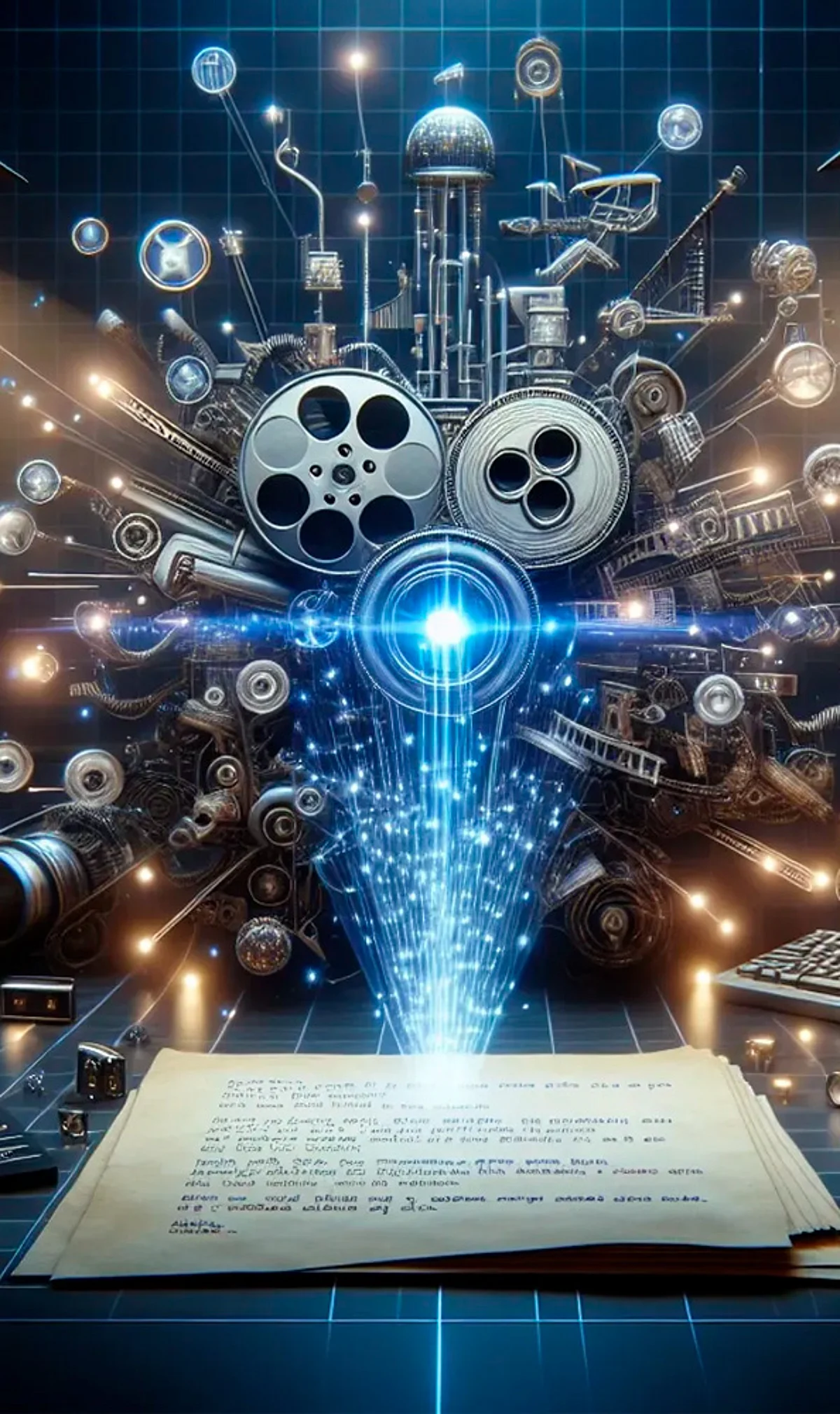
The film industry is experiencing a significant transformation as AI-powered tools increasingly reshape the scriptwriting process. These technologies are not only accelerating the creation of movie scripts but also reducing production costs, thereby altering the traditional approach to film development.
The rise of AI in Hollywood comes at a time when production companies are seeking innovative methods to streamline operations. According to a report from Film Industry Analytics, the adoption of AI tools in scriptwriting is projected to save the industry up to $1 billion annually by 2025. This substantial reduction in costs is appealing to major studios, including Netflix, Disney, and Warner Bros., which are eager to maintain profitability in a competitive marketplace.
Enhancing Scriptwriting Efficiency
The integration of AI in scriptwriting allows for quicker turnaround times, enabling screenwriters to focus on creativity while leaving repetitive tasks to technology. These tools analyze existing scripts, identify successful patterns, and even suggest plot developments, making the writing process more efficient. In March 2024, a prominent screenwriter noted that AI-assisted writing tools have halved the time needed to develop a script, which previously took several months.
Moreover, the ability of AI to analyze audience preferences and box office trends means that studios can make data-driven decisions about which stories are likely to resonate with viewers. By leveraging these insights, production companies can tailor their projects to enhance audience engagement and maximize ticket sales.
Challenges and Ethical Considerations
Despite the advantages, the rise of AI in scriptwriting raises several ethical questions. Concerns have been voiced regarding the potential for AI to replace human writers entirely, leading to job losses within the industry. While proponents argue that these tools are intended to assist rather than replace, the uncertainty surrounding their long-term impact on employment remains a topic of debate.
Additionally, the originality of AI-generated content is under scrutiny. Critics emphasize the importance of human creativity and emotional depth in storytelling, suggesting that relying too heavily on AI could result in formulaic narratives that lack genuine connection with audiences. As the technology advances, finding a balance between utilizing AI for efficiency and preserving the artistry of scriptwriting will be crucial for the industry.
In response to these concerns, organizations such as the Writers Guild of America are actively engaging in discussions about how to integrate AI responsibly into the creative process. As negotiations continue, industry stakeholders are considering guidelines that protect writers’ rights while embracing technological advancements.
The intersection of AI and Hollywood highlights a pivotal moment in the film industry. As production companies continue to adopt AI tools, the landscape of scriptwriting is evolving, promising a future that blends technology with human creativity. The next few years will undoubtedly reveal the full implications of this shift, shaping the way stories are told on screen.