








































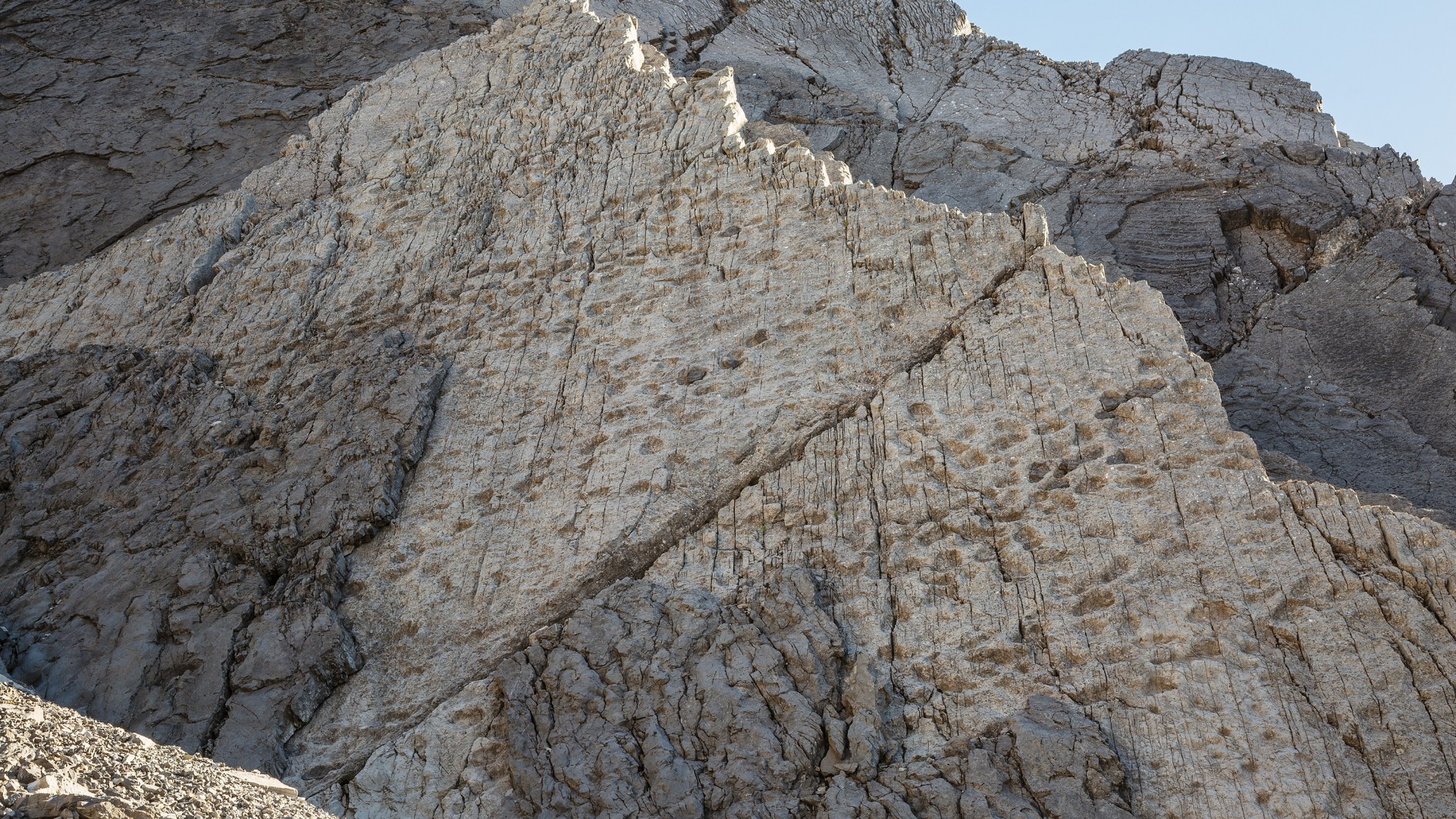
A remarkable discovery has been made near the venues for the upcoming 2026 Winter Olympics in northern Italy. Thousands of dinosaur footprints, estimated to be around 210 million years old, were found in Stelvio National Park, located in the central Alps. This significant finding has been documented by the Milan Natural History Museum (MNHM), which describes it as one of the most important deposits of Triassic trace fossils in the world.
The footprints were located in the Fraele Valley, between the towns of Livigno and Bormio, which will host events during the Games from February 6 to 22, 2026. According to the MNHM, the tracks are preserved in excellent condition and display clear imprints of toes and claws, indicating they were formed in tidal flats at the end of the Triassic period.
The discovery site, about a mile from the men’s alpine skiing events, boasts an astonishing estimated 20,000 footprints spread across approximately three miles of terrain. The tracks are believed to have been made by long-necked bipedal herbivores, reaching lengths of up to 33 feet and weighing around four tons. According to paleontologist Dal Sasso, the footprints exhibit signs of individuals moving at a calm and steady pace, rather than running.
“This huge quantity of prints, tens of thousands in total, was a surprising find,” Dal Sasso remarked. The MNHM explained that the area had likely remained untouched for millions of years due to its inaccessibility. Researchers used drones and remote sensing technologies to study the site, as there are no established trails to reach it.
The MNHM characterized this footprint site as the largest in the Alps and one of the richest in the world. “Never before reported or studied, it will engage geologists and paleontologists for decades,” the museum stated, highlighting the scientific value of the discovery.
Regional governor Attilio Fontana has referred to this finding as the “gift of the Olympics.” His administration is exploring plans to make the remote site accessible to the public in the future, allowing visitors to engage with this extraordinary glimpse into the distant past.
As excitement builds for the 2026 Winter Olympics, this discovery not only adds to the region’s allure but also emphasizes the rich prehistoric history that lies beneath the surface of the Alps. The intersection of modern sporting events and ancient history creates a unique narrative that will undoubtedly capture the attention of both athletes and spectators alike.
























