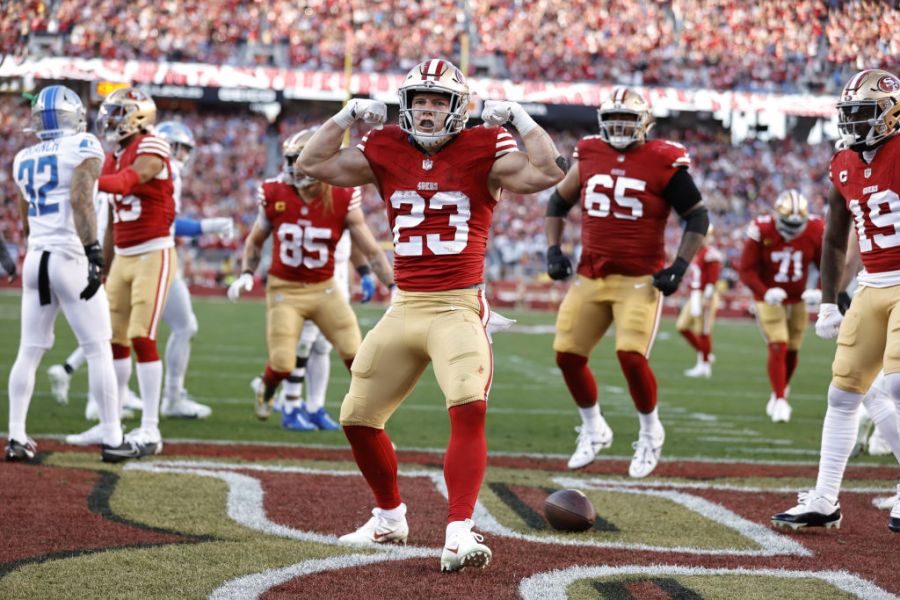
The National Football League (NFL) has come under scrutiny for its longstanding uniform regulations that restrict players from displaying their legs during games. While the initial rationale for this rule primarily focused on player safety, many argue that it also stems from tradition and branding concerns. The discussion around this policy has gained momentum as the 2023 season unfolds, prompting players and fans alike to question the necessity of such restrictions.
Historically, NFL uniforms have been designed with specific guidelines that dictate the length and style of player attire. These guidelines are enforced to maintain a certain level of uniformity and professionalism on the field. However, the debate has intensified as some players express their desire for more freedom in choosing their gear. The question raised is whether these restrictions are still relevant in today’s game.
Tradition Versus Modernity
The NFL’s uniform policy does not explicitly prohibit players from showing their legs, but it does enforce strict guidelines regarding uniform length and coverage. For instance, players are required to wear pants that extend below the knee, which can limit personal expression and comfort. Many players argue that this regulation is outdated, especially as trends in sports gear evolve.
According to a survey conducted by a leading sports publication, nearly 60% of players believe they should have more freedom to choose how they dress on the field. Tom Brady, a prominent figure in the league, voiced his support for this notion, stating, “It’s time for us to embrace modern styles.” Such statements highlight a growing push for change among athletes who wish to reflect their individuality while still adhering to professional standards.
Another aspect of the debate revolves around branding. The NFL has a vested interest in maintaining a cohesive image across all teams and players. This branding strategy helps in marketing merchandise and promoting the league as a whole. When players wear standardized uniforms, it reinforces the NFL’s brand identity. However, this may come at the cost of player expression, leading to a conflict between the league’s interests and the players’ wishes.
The Safety Argument
Safety is frequently cited as a primary reason for the uniform regulations in the NFL. The league has implemented numerous changes over the years to protect players from injuries, particularly concerning leg and knee injuries. However, critics argue that the connection between uniform length and safety is tenuous at best. They suggest that players should have the autonomy to choose attire that they find comfortable and that allows for optimal performance.
Data from the NFL Injury Surveillance System indicate that while injuries do occur, they are often linked to factors such as impact and technique rather than uniform design. This raises important questions about whether the existing rules genuinely enhance safety or simply uphold a tradition that may no longer be relevant.
In the wake of these discussions, some teams have begun experimenting with alternative uniform designs that allow for a greater range of motion and comfort. These changes have been met with enthusiasm from both players and fans, suggesting a potential shift in how the league approaches uniform policies in the future.
As the NFL navigates these complex issues, the dialogue surrounding player attire is likely to continue evolving. Whether the league will adapt its regulations to accommodate modern preferences remains to be seen. However, with growing support from players and fans for more flexibility, the NFL may soon face pressure to reconsider its stance on this longstanding tradition.