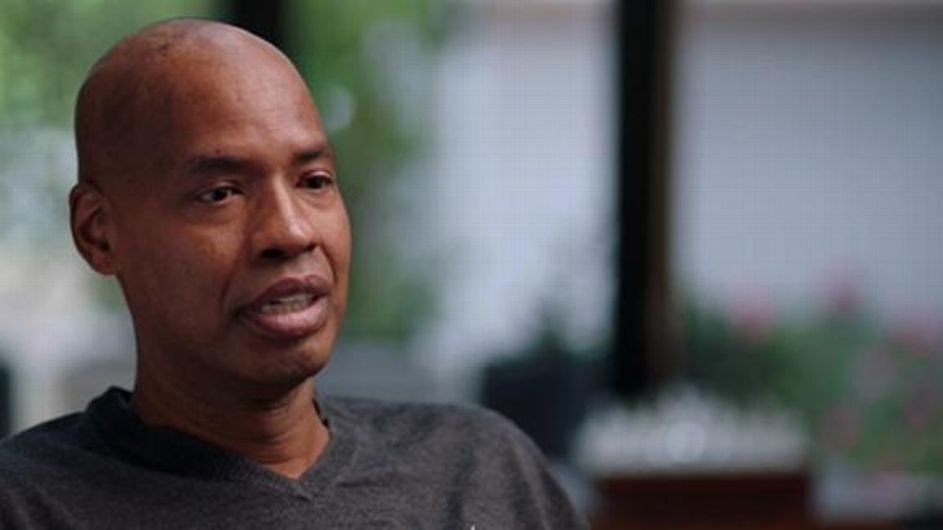
Former NBA player Jason Collins, who made history as the first openly gay active player in the league, has revealed he is currently battling Stage 4 glioblastoma, a highly aggressive form of brain cancer. Collins, who played for six teams over his thirteen-year career, shared his diagnosis and treatment journey in a candid update, highlighting both the challenges and the support he has received.
In a heartfelt statement, Collins explained that a few months prior, his family had released a brief announcement regarding a brain tumor, opting for privacy while they navigated the initial complexities of his condition. He now feels ready to share the details. “I have Stage 4 glioblastoma, one of the deadliest forms of brain cancer,” he stated. The diagnosis has profoundly impacted his life, occurring shortly after a joyous moment when he married Brunson Green in May 2023.
Collins recalled that the onset of symptoms was abrupt. He and Green had planned to attend the US Open in August, but Collins found himself unable to prepare for the trip. “For the first time in decades, we missed the flight because I couldn’t stay focused to pack,” he said. Subsequent medical evaluations revealed the severity of his condition; a CT scan at UCLA indicated a serious issue that would soon alter his life dramatically.
What distinguishes glioblastoma is its aggressive growth within the confined space of the skull, often leading to rapid deterioration of cognitive functions. Collins described his tumor as “multiforme,” likening it to a creature with tentacles spreading across his brain. A biopsy confirmed the diagnosis, revealing a growth factor of 30%, which indicated a dire prognosis: without intervention, he could have as little as six weeks to three months to live.
Despite this grim outlook, Collins remains resolute. “I know there’s more in me. I know there’s more fight in me,” he declared, drawing inspiration from his grandmother, who defied medical expectations during her own battle with cancer. While in the hospital, Collins experienced moments of confusion and disorientation but was determined to fight against the odds.
His treatment plan began with the drug Avastin, which aims to halt tumor growth. Following this, he underwent radiation therapy. Remarkably, within days of starting treatment, he began to regain some clarity. By mid-October, he was able to take short walks and reconnect with his life outside the hospital. He expressed gratitude for the support of friends and family, who were instrumental in advocating for his treatment options.
Collins has since sought innovative therapies, including targeted chemotherapy at a clinic in Singapore. This treatment utilizes a delivery mechanism designed to bypass the blood-brain barrier and target the tumor specifically. Given the genetic profile of his glioblastoma, traditional chemotherapy options have proven ineffective.
Reflecting on his journey, Collins emphasized the importance of resilience. “You want the challenge? This is the challenge,” he noted, drawing a parallel with his experiences as a professional athlete. He has engaged with medical experts, including Dr. Henry Friedman from Duke University, who recognizes the tenacity often found in athletes.
In a poignant moment, Collins shared a conversation with his twin brother, Jarron, who urged him to fight against the illness. “You have to fight. No matter what, you have to fight,” he recalled. This determination drives his approach to treatment and recovery, as he strives not only for his own health but also to pave the way for future advancements in glioblastoma care.
Collins concluded by expressing hope that his openness about his battle could inspire others facing similar challenges. “If I can do that again now, then that matters,” he said, highlighting a commitment to advocate for cancer awareness and research.
As Collins continues to navigate this difficult journey, his story serves as a reminder of the strength found in vulnerability and the power of fighting against the odds.