








































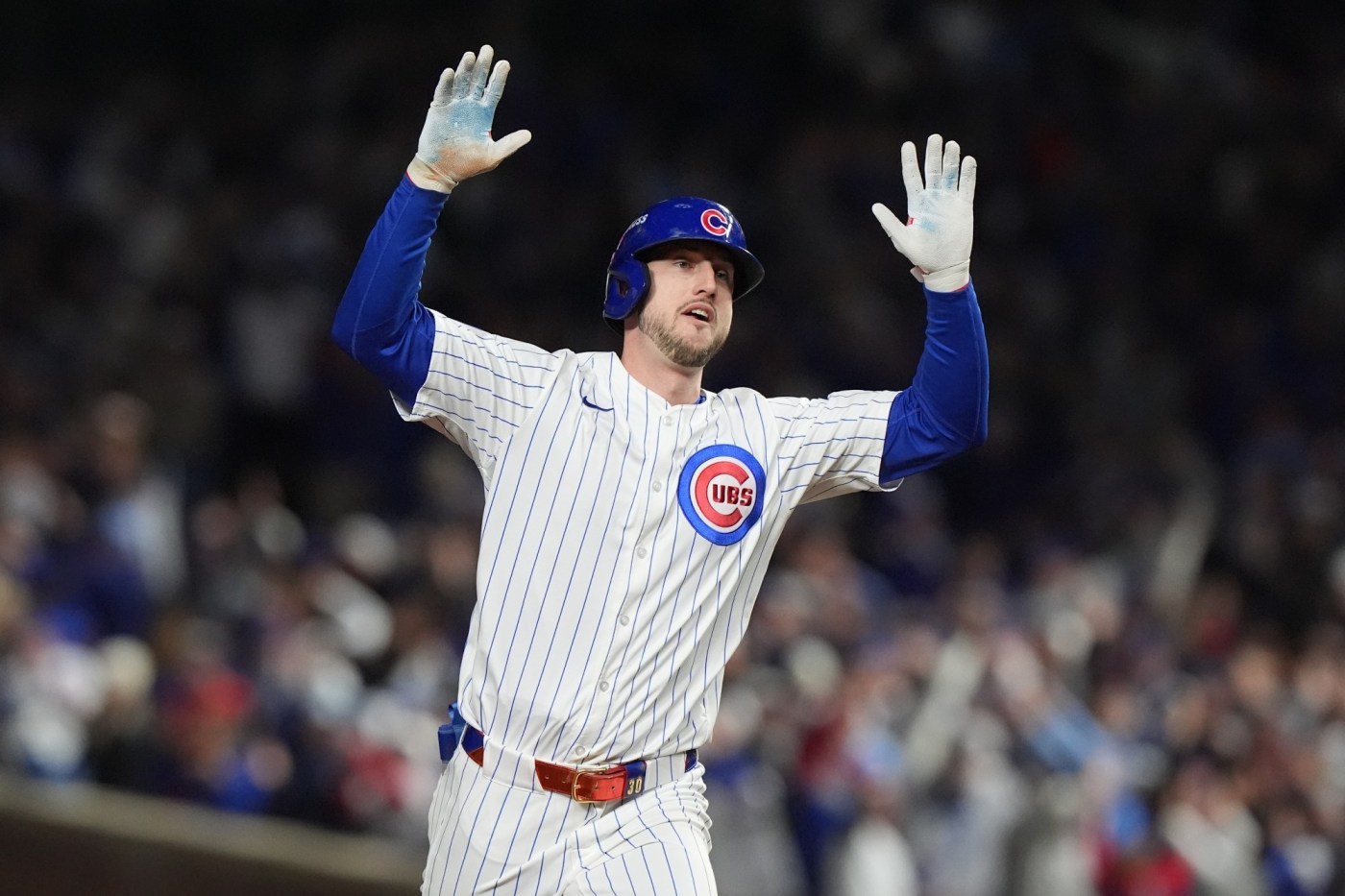
The Los Angeles Dodgers have made headlines once again by signing free agent outfielder Kyle Tucker, a move that has sparked outrage among fans of other Major League Baseball teams. The transaction, which is expected to be official pending a corresponding move to clear a spot on the Dodgers’ 40-man roster, has intensified discussions around the need for a salary cap in baseball. Critics argue that the Dodgers’ financial power undermines the competitive balance of the league.
This signing comes on the heels of another significant transaction, with reports emerging that the New York Mets secured Bo Bichette for three years at $126 million. The juxtaposition of these deals has led to renewed calls for a salary cap, with many pointing fingers at Andrew Friedman, the Dodgers’ president of baseball operations, as a catalyst for a potential lockout following the 2026 season.
Historically, the concept of a salary cap has been contentious in baseball. The last major strike in 1994 stemmed from owners’ insistence on implementing a cap, which players vehemently opposed. This strike led to a complete cancellation of the postseason and disrupted the following season until it was resolved through court intervention by District Court Judge Sonia Sotomayor, who halted the plan for replacement players.
Supporters of a salary cap argue that it could create a more level playing field, particularly benefiting teams that currently spend the least. However, critics highlight that even a salary floor—requiring teams to spend a minimum amount—might not change spending habits among less ambitious owners. The focus remains on the Dodgers, who have garnered a reputation as “Baseball’s Villains” due to their substantial investments in talent, including Tucker, who is a four-time All-Star and a World Series champion with Houston.
Despite the backlash, the Dodgers have been strategic in their offseason moves, addressing critical needs in their roster. They have bolstered a struggling bullpen and added Tucker to the outfield, aiming to enhance their competitiveness after a season that saw them fall just short of further postseason success.
The Dodgers’ financial strategies have proven effective, particularly with a lucrative broadcasting deal with Spectrum set to run through 2037, worth $320 million annually. This financial stability positions the team well amidst the shifting landscape of sports broadcasting and revenue generation.
Manager Dave Roberts emphasized the importance of player development and organizational culture in building a successful team. During a recent press briefing, he noted, “We probably have a top five farm system in baseball. This year I think we probably have the No. 1 or No. 2.” This focus on development, coupled with their willingness to invest in high-profile players, has made the Dodgers an attractive destination for talent.
While the ongoing discussions about a salary cap reflect deeper issues within the sport, the Dodgers continue to operate within the existing structure. They have adhered to all rules and regulations, including the payment of competitive balance taxes, which support smaller market teams.
As the debate over financial equity in baseball rages on, the Dodgers remain committed to winning. With their recent acquisitions and a strong organizational foundation, they are poised to compete at the highest level, regardless of external criticisms or calls for reform.
In the end, the Dodgers’ approach may simply be a reflection of effective management and foresight, rather than a threat to the integrity of the league. As the 2026 season approaches, how these dynamics play out will be closely monitored by fans and analysts alike.
























