








































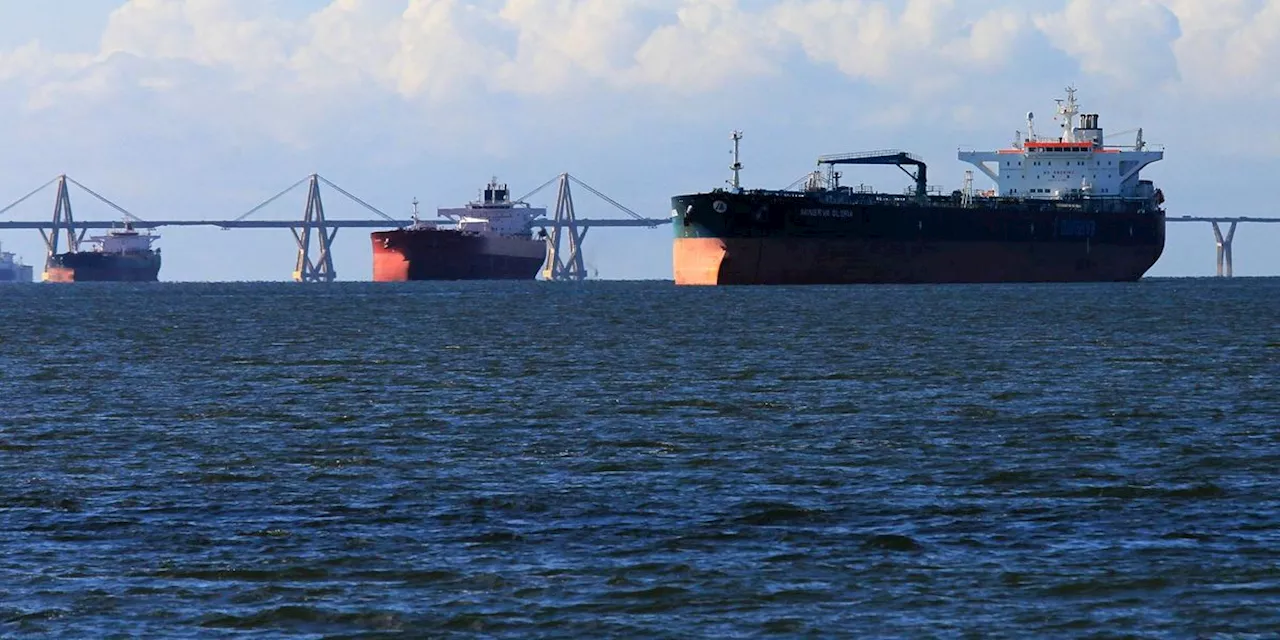
On December 16, 2025, former President Donald Trump announced a “total and complete blockade” on oil tankers entering or leaving Venezuela. This declaration, made via his personal media platform, claimed that Venezuela is “completely surrounded by the largest Armada ever assembled in the history of South America.” The implications of this statement are profound, marking a significant challenge to U.S. constitutional limits and an unprecedented expansion of executive power.
The blockade, which is operational despite lacking congressional approval, raises serious questions about the adherence to the War Powers Resolution, a congressional statute designed to prevent unilateral military actions. Previous administrations have relied on sanctions and diplomatic measures to manage disputes over foreign resources. In stark contrast, Trump’s actions substitute legal frameworks with coercive military tactics.
The Constitutional Violations at Play
According to Article I of the U.S. Constitution, only Congress can declare war or authorize actions that resemble war. Article II grants the President the title of Commander-in-Chief, but it does not permit unilateral military operations without legislative consent. The War Powers Resolution of 1973 mandates that any deployment of armed forces must receive congressional approval if it involves hostilities or imminent risk of hostilities.
This blockade constitutes a use of force as defined by both domestic and international law. It seeks to exert control over international waters and restrict a sovereign state’s access to maritime commerce. By initiating this blockade without congressional consent, Trump is breaching constitutional boundaries and setting a troubling precedent.
Questionable Justifications and Historical Context
Trump’s assertion that Venezuela “stole” American oil lacks historical and legal support. The country nationalized its oil sector in 1976, establishing Petróleos de Venezuela, S.A. Foreign companies, including ExxonMobil and ConocoPhillips, previously operated under negotiated agreements. In the early 2000s, Venezuela transitioned these operations to joint ventures, ensuring state control.
These actions are considered sovereign decisions under international law and were managed through arbitration rather than military force. In fact, companies involved sought compensation via investor-state arbitration, not through armed conflict. Historically, the U.S. has relied on sanctions and diplomatic means to resolve disputes with other nations in the region, never resorting to military blockades as a method of enforcing commercial claims.
The line between enforcing sanctions and conducting military action is critical. Sanctions are intended to regulate economic conduct, prohibiting certain transactions without permitting armed intervention. The shift to a systematic blockade is a dangerous escalation into military coercion that disrupts established norms.
A Call for Constitutional Checks and Balances
If a President can initiate a naval blockade without congressional oversight based on economic grievances, the separation of powers is at risk. Today it is Venezuela; tomorrow, it could be any nation where U.S. interests are challenged. This sets a dangerous precedent where private claims might justify military action.
To address this constitutional crisis, Congress must reaffirm its role. Whether through resolutions like House Concurrent Resolution 64 or emergency oversight hearings, the legislative branch must enforce the War Powers Resolution and prevent unauthorized military engagements. The Executive branch should return to lawful enforcement mechanisms, relying on civil forfeiture and targeted sanctions instead of coercive military actions.
Diplomatic engagement must be prioritized to resolve disputes regarding Venezuela’s resource management. Negotiation, licensing frameworks, and international claims processes should replace unilateral blockades.
The blockade of Venezuelan oil tankers may seem like a show of strength, but it represents a dangerous erosion of law and constitutional governance. When the President crosses constitutional lines without opposition, it signals a shift toward autocracy. Congress must act, the courts must scrutinize, and the public must demand that power be exercised according to law. Otherwise, the Constitution risks becoming merely a suggestion rather than a safeguard.
























