Recent research has revealed that specific blood molecules could potentially predict the longevity of older adults. In a study published on February 24, 2024, in *Aging Cell*, scientists identified six small RNA molecules, known as piwi-interacting RNAs (piRNAs), that demonstrated an impressive ability to forecast two-year survival rates with up to 86 percent accuracy. This finding outperformed traditional health indicators, including age, cholesterol levels, and over 180 other standard health measures.
The study, led by Virginia Byers Kraus, a rheumatologist at Duke University, involved over 1,200 participants aged 71 and older. Kraus highlighted that “these RNAs are linked to survival,” suggesting that they may also play a role in determining an individual’s chances of living longer. PiRNAs are known to regulate genes that are crucial for development, tissue repair, and immune function.
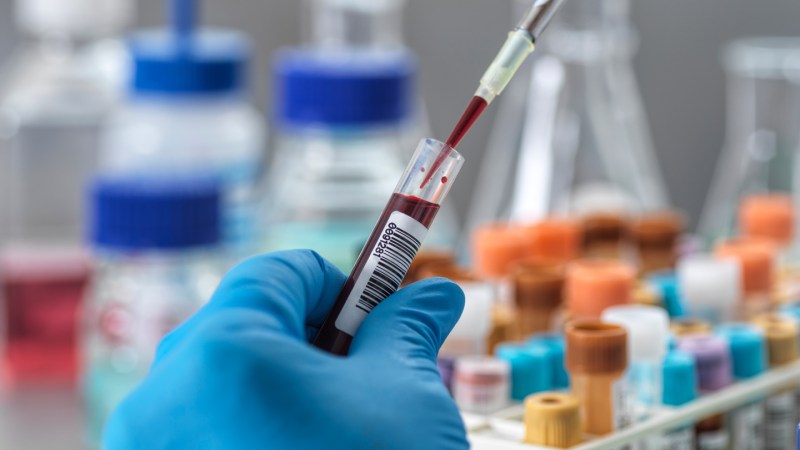
In their investigation, researchers analyzed blood samples from volunteers participating in a long-running health study in North Carolina. They examined a total of 828 small RNAs, including piRNAs, along with various health metrics derived from medical records, physical assessments, cognitive evaluations, and self-reported lifestyle data. The team pinpointed nine piRNAs associated with healthy aging, noting that individuals with longer lifespans tended to have lower levels of these molecules.
The most significant finding was that the combined levels of six specific piRNAs served as the strongest indicator of short-term survival. This correlation was further validated in an independent group of participants, reinforcing the reliability of the results. Interestingly, as researchers projected further into the future, traditional health factors and lifestyle choices began to play a more prominent role, although piRNAs continued to reveal essential biological differences in how cells manage stress, repair damage, and age.
In a computational model, the research team simulated ideal adjustments to patients’ piRNA levels, predicting an increase in two-year survival probabilities from approximately 47 percent to nearly 100 percent. While these results are promising, Raghav Sehgal, a computational biologist from Yale University, cautioned against overinterpreting the simulations. He noted that the assumptions made about piRNA level changes might not be biologically feasible or safe.
At this stage, the patterns observed in piRNAs likely reflect short-term health risks or frailty rather than long-term biological aging. Consequently, the test is not yet suitable for clinical application. Further validation in diverse populations and through different testing methods is necessary, especially in younger cohorts.
Looking ahead, Kraus and her team plan to investigate piRNA patterns across a broader age range, from 30 to 100 years. They also aim to evaluate whether existing medications, such as the diabetes drug metformin or GLP-1 drugs, could influence RNA levels and ultimately enhance health outcomes. The researchers are hopeful that their work will help identify specific RNA patterns that indicate higher health risks, paving the way for targeted interventions in clinical settings.