








































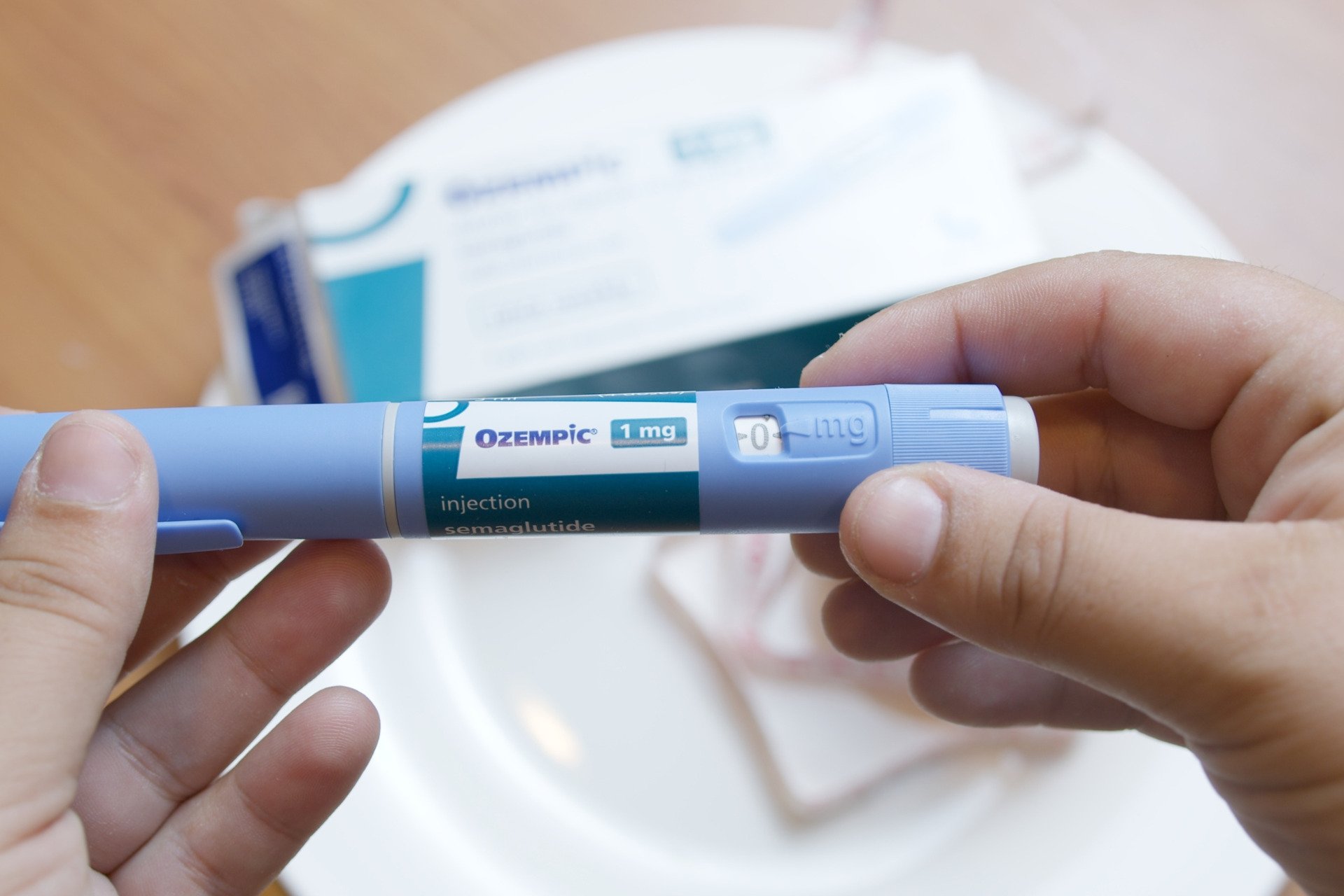
Research indicates that the effectiveness of GLP-1 agonists, including the widely prescribed medications Ozempic and Wegovy, may vary significantly among individuals based on their eating behaviors. A recent study involving 92 participants with type 2 diabetes in Japan suggests that those who overeat due to emotional triggers may not experience the same benefits from these drugs as those who overeat from external stimuli.
Published in Frontiers in Clinical Diabetes and Healthcare, the study explores the factors influencing the response to GLP-1 therapy. The findings highlight that individuals motivated to eat by the sight or aroma of food achieved better long-term results compared to those who engage in emotional eating.
Understanding Eating Behaviors and Drug Response
The research team, led by Daisuke Yabe, a professor at Kyoto University, conducted a thorough analysis of participants’ body weight, dietary habits, and various health markers at the start of treatment, three months in, and after one year. The study specifically examined three types of eating patterns: emotional eating, external eating, and restrained eating, the latter referring to conscious efforts to control food intake for weight loss.
Yabe noted, “Pre-treatment assessment of eating behavior patterns may help predict who will benefit most from GLP-1 receptor agonist therapy.” He emphasized that these medications tend to be effective for individuals whose weight gain or elevated blood glucose levels are linked to external eating triggers. Conversely, emotional eaters may require additional psychological support to achieve optimal results.
Throughout the year-long study, participants demonstrated a statistically significant decrease in body weight, cholesterol levels, and body fat percentage. However, while blood glucose levels improved, the change was not statistically significant.
Long-Term Implications and Recommendations
The research revealed that participants reported an increase in restrained eating habits and a decrease in external and emotional eating after three months. By the end of the year, many had reverted to their previous eating patterns. Takehiro Kato, a researcher from Gifu University and co-author of the study, suggested that psychological factors might strongly influence emotional eating, making it less susceptible to the effects of GLP-1 therapies.
Interestingly, individuals who began the study with high levels of external eating saw the most significant improvements in blood glucose levels and weight loss throughout the treatment period. However, the study did not find a direct correlation between initial scores of emotional or restrained eating and the benefits of the medication after twelve months.
Yabe cautioned that while the findings indicate a potential relationship between eating behaviors and treatment outcomes, they should be viewed as preliminary. The observational nature of the study, along with the reliance on self-reported data, means that further investigation is necessary to establish causation.
“Future large-scale or randomized controlled trials could validate these findings, allowing for the integration of simple behavioral assessments into treatment strategies,” Yabe concluded, emphasizing the potential for enhanced therapeutic approaches for individuals struggling with emotional eating.
As the medical community continues to explore the complexities of weight management and diabetes treatment, these insights may pave the way for more tailored interventions that address the underlying psychological factors associated with eating behaviors.
























