








































A recent study has demonstrated that emphasizing the deservingness of immigrants can significantly alter public attitudes towards immigration. Conducted during the 2024 French elections, the research highlights how information regarding immigrants’ efforts to overcome poverty and learn the local language can reduce negative perceptions and opposition among voters.
This study, published in the journal PNAS Nexus, was led by researcher Amine Sijilmassi and his team. They executed three separate studies in France focused on whether highlighting “deservingness” traits—such as immigrants’ work motivation, language acquisition efforts, and children’s potential for upward mobility—could lessen anti-immigration sentiments.
In one of the studies, 480 participants were asked to evaluate fictional immigrant profiles that exhibited traits of deservingness. The results showed a notable increase in favorable ratings for these profiles compared to those lacking such attributes. Additional longitudinal studies involving over 1,500 participants during the European Parliament elections and 1,255 during the French parliamentary elections reinforced these findings.
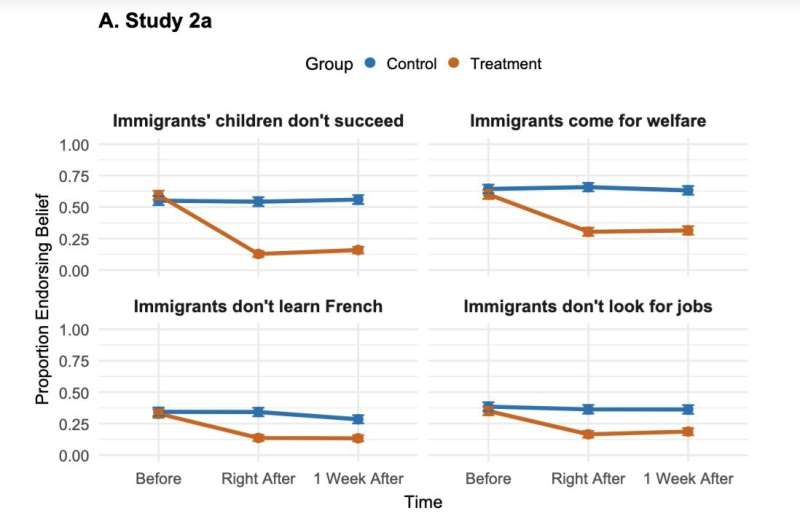
Participants who were provided with accurate information correcting common misperceptions about immigrants’ capabilities experienced a marked decrease in negative beliefs. Specifically, the likelihood of endorsing misconceptions dropped by between 20 and 38 percentage points. Furthermore, the intervention led to modest yet significant reductions in opposition to immigration, translating to a 3 to 5 percent decrease on the attitude scale.
While the impact on actual voting behavior was small and varied across analyses, the positive effects on beliefs were evident and persisted for at least one week after the intervention. The authors emphasize that these findings indicate that communication strategies focusing on immigrants’ contributions to the host society could be an effective method for reducing anti-immigration bias. This approach appears successful across various political ideologies, suggesting a broad applicability of the results.
According to the study authors, the emphasis on immigrants’ struggles and efforts to integrate into society provides a promising avenue for reshaping public perceptions. By sharing narratives that highlight deservingness, advocates may foster a more supportive environment for immigrants, ultimately benefiting not only the individuals but also the societies they inhabit.
For further details, refer to the full study in PNAS Nexus, titled “Information about immigrants’ deservingness reduces misperceptions and opposition to immigration.”
























