








































A recent mission has led to a significant breakthrough in understanding reproduction in space. Four mice launched aboard the Shenzhou-21 spacecraft on October 31, 2023, returned to Earth on November 14, 2023, with one female giving birth to nine healthy pups on December 10, 2023. This event marks a critical step in exploring the potential for human life beyond Earth.
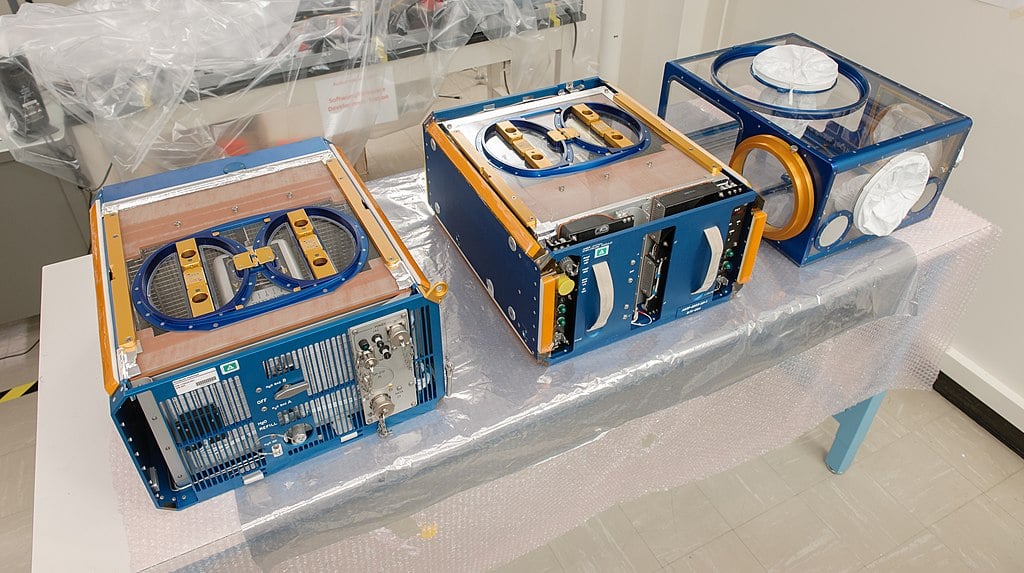
The mission involved the mice living in microgravity conditions at China’s space station, approximately 400 kilometers above the ground, for two weeks. Researchers monitored their health as they were exposed to unique orbital challenges, including space radiation and the physiological stresses of living in a low-gravity environment. The successful return and reproduction of one of the mice offer promising insights into the impacts of space travel on mammalian biology.
Wang Hongmei, a researcher at the Chinese Academy of Sciences’ Institute of Zoology, highlighted the importance of this discovery. She noted that the short-term spaceflight did not adversely affect the mouse’s reproductive capabilities. This finding is particularly significant since mice share a high genetic similarity with humans and often respond to stressors in ways that parallel human biology.
The mission was not without its challenges. A change in the return schedule for the Shenzhou-20 spacecraft increased the length of the mice’s stay in orbit, raising concerns about potential food shortages. The ground team responded promptly, testing various emergency rations from the astronauts’ supplies, including compressed biscuits, corn, hazelnuts, and soy milk. Following thorough verification tests, soy milk was selected as the safest option for the mice’s emergency food.
During their time in space, the mice lived under strictly controlled conditions designed to mimic their Earth-based environment. Lights were programmed to turn on at 07:00 and off at 19:00, maintaining a circadian rhythm. Their diet was nutritionally balanced yet intentionally hard, catering to their natural behaviors. An AI monitoring system tracked the mice’s movements, eating habits, and sleep patterns, allowing researchers to predict when supplies might run low.
With the birth of these “space pups,” researchers are now set to conduct further investigations. They will closely monitor their growth and examine any physiological changes that may arise as a result of their mother’s exposure to space conditions. Additionally, scientists aim to assess whether these pups can reproduce normally, exploring potential multi-generational effects of space travel.
The overarching goal of this research extends beyond the realm of mice. Before sending humans on long-duration missions to Mars or establishing permanent settlements on the Moon, it is crucial to understand the implications of space travel on reproduction. Scientists are keen to determine whether mammals can conceive, gestate, and give birth in reduced gravity environments. They also seek to understand if cosmic rays can damage reproductive cells in ways that manifest in future generations.
While one successful mouse birth does not provide all the answers, it represents an encouraging start. This research could pave the way for deeper insights into reproductive biology in space, ultimately aiding humanity’s efforts to explore and settle on other planets.
























