








































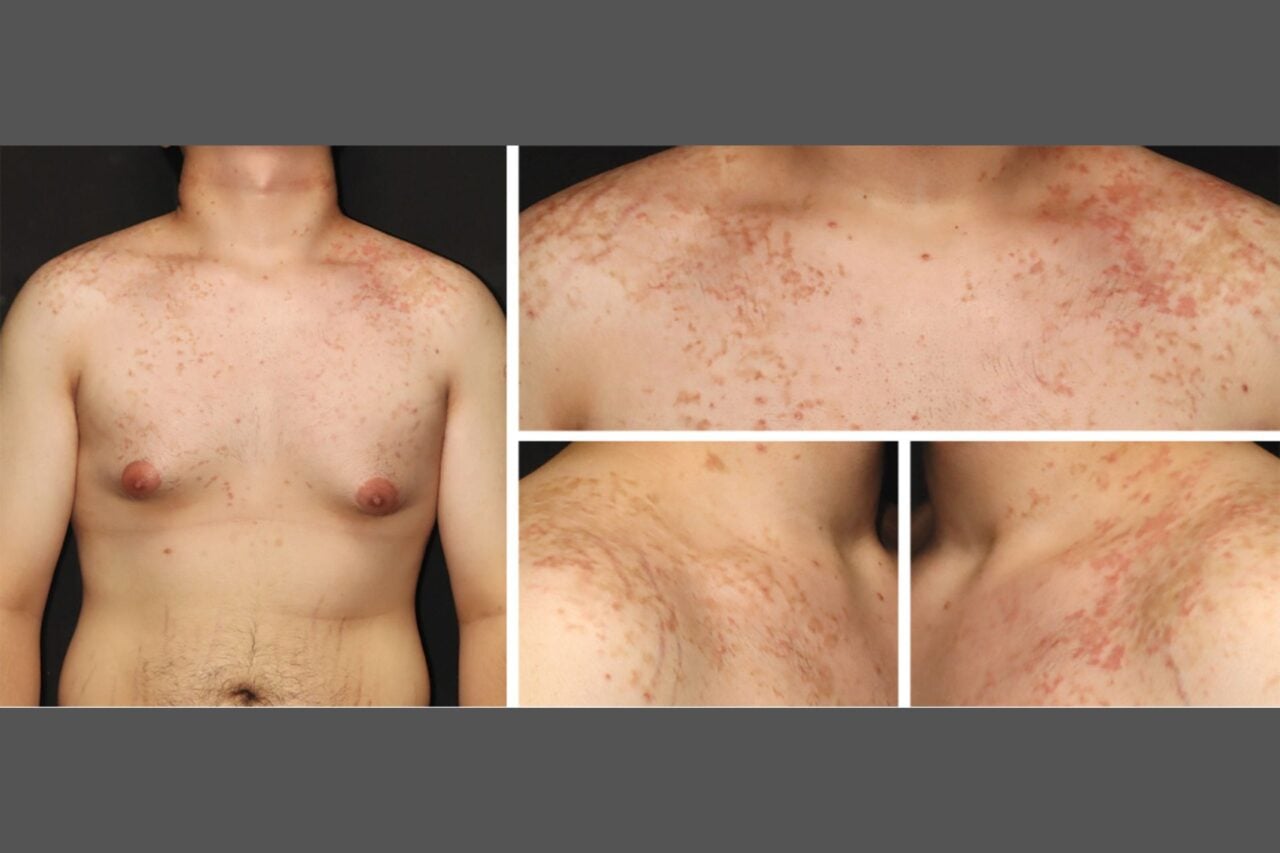
A 20-year-old man has developed a rare skin condition after adopting a ketogenic diet, commonly known as keto. This unusual case, documented in the New England Journal of Medicine, highlights the potential side effects associated with this popular weight-loss regimen.
The patient reported to a dermatology clinic four weeks after experiencing an alarming rash on his neck and chest. He indicated that he had begun the keto diet two months prior, aiming for weight loss. The skin condition, referred to as prurigo pigmentosa or “keto rash,” is characterized by itchy red or purple bumps that can evolve into a net-like pattern on the skin.
Understanding Keto Rash
Keto rash is believed to arise when the body enters a metabolic state known as ketosis, where it primarily uses stored fat for energy instead of glucose. While the exact cause of this skin condition remains unclear, it is strongly associated with the dietary shift caused by severely limiting carbohydrate intake.
The rash generally progresses through several stages. Initially, small bumps appear, which can expand and become fluid-filled, resembling blisters. Over time, these bumps may diminish, but they can leave behind darkened spots due to hyperpigmentation. Although keto rash is rare, with only around 300 documented cases worldwide as of a 2019 study, its incidence may rise as more people embrace ketogenic diets.
Diagnosis and Treatment
Medical professionals often misidentify keto rash as more common skin conditions such as eczema due to its rarity. Once properly diagnosed, the condition can be effectively managed. The primary treatment involves discontinuing the keto diet, which typically resolves the rash within weeks. In some instances, Tetracycline antibiotics may be prescribed to alleviate symptoms due to their anti-inflammatory properties.
The latest report did not specify whether the young man followed medical advice to stop his keto diet. As the popularity of unconventional diets continues to grow, it is essential for individuals to be aware of potential side effects, including unusual skin reactions.
This case underscores the importance of recognizing the broader implications of dietary choices. In a prior report, doctors noted a man whose high-fat “carnivore” diet led to cholesterol leaking from his hands, illustrating that strange side effects can accompany trendy eating habits. As the conversation around nutrition evolves, understanding the risks associated with specific diets will be crucial for informed decision-making.
























