








































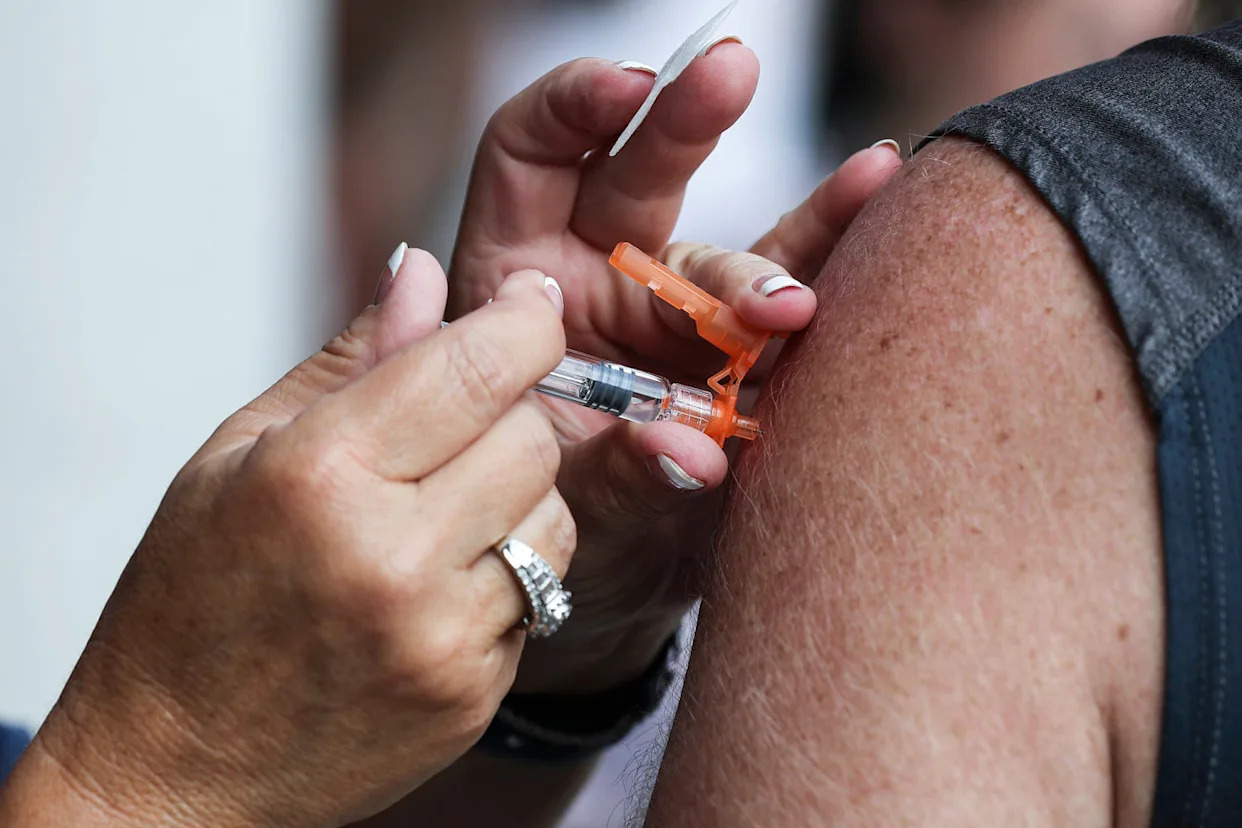
Doctors are sounding the alarm as vaccination rates for tetanus decline, leading to an increase in reported cases of the disease in the United States. The country has witnessed a worrying uptick in infections, including at least 37 confirmed cases this year, which marks the highest number in over a decade. This change is attributed to a combination of reduced vaccination rates and an increase in natural disasters linked to climate change, which heighten the risk of exposure to the bacteria.
The tetanus vaccine, which has been part of routine immunizations since it was combined with diphtheria and pertussis in 1948, has historically been successful in curbing the disease. In the years following the vaccine’s introduction, annual cases plummeted from 601 to approximately 15 to 28. However, recent data reveals a troubling trend: vaccination rates among kindergarteners have declined in over 75% of U.S. counties since 2019, as reported by an investigation from NBC News and Stanford University.
Rising Cases and Alarming Symptoms
Tetanus, caused by bacteria found in soil and manure, can result from a seemingly minor puncture wound. Symptoms can manifest anywhere from three to twenty-one days after infection and include painful muscle spasms that can lead to difficulty breathing. One of the most distressing symptoms is risus sardonicus, a condition where the jaw clenches, creating what appears to be a smile.
Dr. Mobeen Rathore, chief of pediatric infectious diseases and immunology at the University of Florida College of Medicine-Jacksonville, expressed his concern: “It looks terrible.” The treatment for tetanus is often complex and costly. A case reported by the Centers for Disease Control and Prevention (CDC) detailed a 6-year-old boy who accrued nearly $1 million in medical bills after contracting the disease in 2019.
Dr. Matthew Davis, enterprise physician-in-chief and chief scientific officer at Nemours Children’s Health, emphasized the importance of widespread vaccination in reducing mortality rates associated with tetanus. “It wasn’t until we had widespread vaccination that we saw a decline in cases of tetanus and thereby a reduction in the risk of mortality from it,” he stated.
Impact of Climate Change and Natural Disasters
The relationship between declining vaccination rates and climate change is becoming increasingly clear. Natural disasters such as hurricanes and floods pose heightened risks for tetanus outbreaks, as injuries from debris can expose individuals to the bacteria. Epidemiologist Kristie Ebi from the University of Washington noted, “As the Earth warms, there’s already a documented increase in the frequency, intensity and duration of many extreme weather and climate events.”
In states like Florida, Texas, and Kansas, which frequently experience severe weather, vaccination rates are falling. For example, Florida’s DTaP vaccination rates for kindergarteners have dropped from 94.1% in the 2016-17 school year to 88.8% in 2024-25. Broward County, a region particularly vulnerable to hurricanes, reported a vaccination rate of just 82.2% during the same period.
This decline poses risks not only for young children but also for adults who may not be aware of the need for booster shots every ten years. Nikki Arellano, a 42-year-old resident of Reno, Nevada, found herself in a dire situation after suffering a minor cut while helping a friend. Unaware of her overdue vaccination, she developed tetanus, which caused her jaw to lock shut.
“I went to the ER, and they tried to give me a bunch of sedatives and pain medicine and muscle relaxers to get my jaw to open, and nothing was making it open,” Arellano recounted. Her hospitalization lasted nearly a week as she received treatment including antibiotics and monitoring for respiratory complications.
Future Concerns and Recommendations
The resurgence of tetanus cases raises significant public health concerns. John Johnson, a vaccination and epidemic response adviser at Doctors Without Borders, highlighted the preventability of the disease. “If you see one case of tetanus in the U.S., it’s a shame. There’s no reason we should be seeing this disease anymore,” he said.
As vaccination rates continue to decline, particularly in areas prone to natural disasters, medical professionals worry about a potential “post-vaccination era.” Dr. Rathore cautioned that children will be the most affected by reduced immunization rates, which could lead to increased morbidity and healthcare costs.
Health officials urge the public to stay informed about vaccination schedules and ensure that children and adults receive the necessary immunizations. As the threat of tetanus looms larger, the importance of vaccination as a simple yet effective preventive measure cannot be overstated.
























