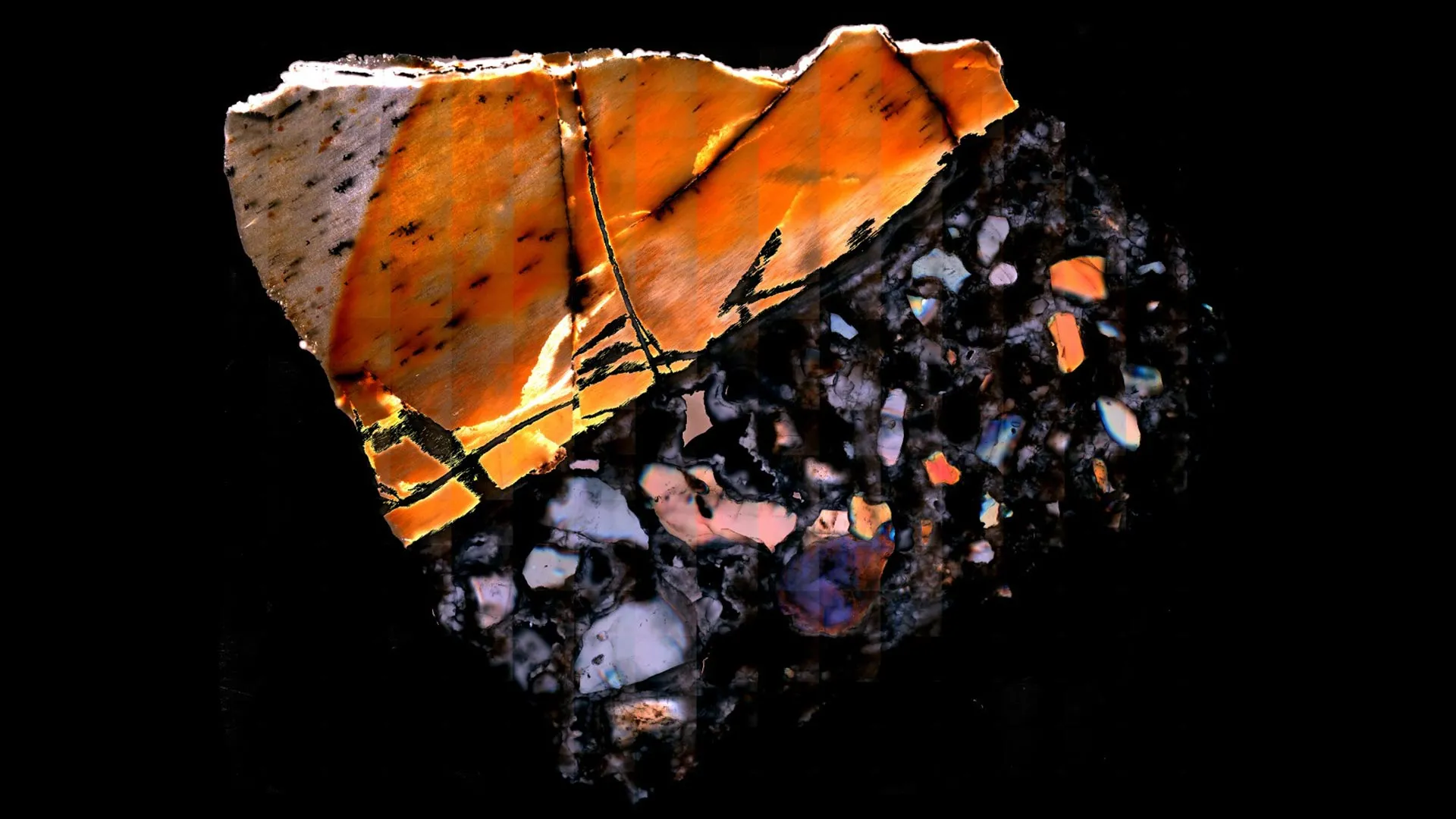
Fossilized bones have unveiled remarkable insights into prehistoric life, as researchers from New York University have successfully identified thousands of preserved metabolic molecules in bones dating back up to 3 million years. This groundbreaking discovery offers a unique perspective on ancient animals’ diets, diseases, and the climates they inhabited, revealing environments that were significantly warmer and wetter than those of today.
For the first time, the team has examined metabolism-related molecules within fossilized remains, providing a window into the biological processes of animals from the Pleistocene epoch. The findings, published in the journal Nature, indicate that studying metabolites can enhance our understanding of prehistoric ecosystems, shedding light on factors such as temperature, rainfall, and vegetation.
Decoding Ancient Life Through Metabolomics
The research was led by Timothy Bromage, professor of molecular pathobiology at NYU College of Dentistry. Bromage has long been interested in the potential of metabolomics—the study of metabolic processes—to reveal secrets about ancient life. He noted, “I’ve always had an interest in metabolism, including the metabolic rate of bone, and wanted to know if it would be possible to apply metabolomics to fossils to study early life.”
The team’s approach involved using mass spectrometry, which converts molecules into charged particles for identification, to analyze both modern and ancient bones. Initial tests on contemporary mouse bones revealed nearly 2,200 metabolites, confirming that metabolites can be preserved in bones. This allowed researchers to extend their analysis to fossilized bones from regions in Tanzania, Malawi, and South Africa known for their significance in early human activity.
Insights into Health, Diet, and Environment
The analysis of fossilized bones yielded thousands of metabolites, many of which are comparable to those found in living species. This included markers reflecting normal biological functions such as the breakdown of amino acids and vitamins, and some metabolites even indicated the sex of certain animals through estrogen-related compounds.
One particularly striking finding was in a fossilized ground squirrel bone from Olduvai Gorge, dated to approximately 1.8 million years ago. The evidence suggested an infection by the parasite responsible for sleeping sickness in humans, Trypanosoma brucei. Bromage remarked, “What we discovered in the bone of the squirrel is a metabolite that is unique to the biology of that parasite, which releases the metabolite into the bloodstream of its host.”
In addition to health indicators, the research illuminated the diets of these ancient creatures. By identifying plant-associated metabolites, the scientists determined that the ground squirrel consumed aloe, thus providing clues about the environmental conditions it lived in. “We can build a story around each of the animals,” Bromage explained, emphasizing that the reconstructed habitats align with existing geological research.
Throughout the studied regions, the fossil evidence consistently indicated climates that were both warmer and wetter than those recorded today, suggesting significant shifts in environment over millions of years.
This innovative use of metabolomics could redefine our understanding of ancient ecosystems, allowing scientists to reconstruct prehistoric environments with unprecedented detail. The research has garnered support from The Leakey Foundation and involved collaboration with experts from various institutions across France, Germany, Canada, and the United States.
As researchers continue to explore these ancient biological records, the implications for our understanding of evolution and environmental change are profound, paving the way for future investigations into the lives of creatures from a long-lost world.