








































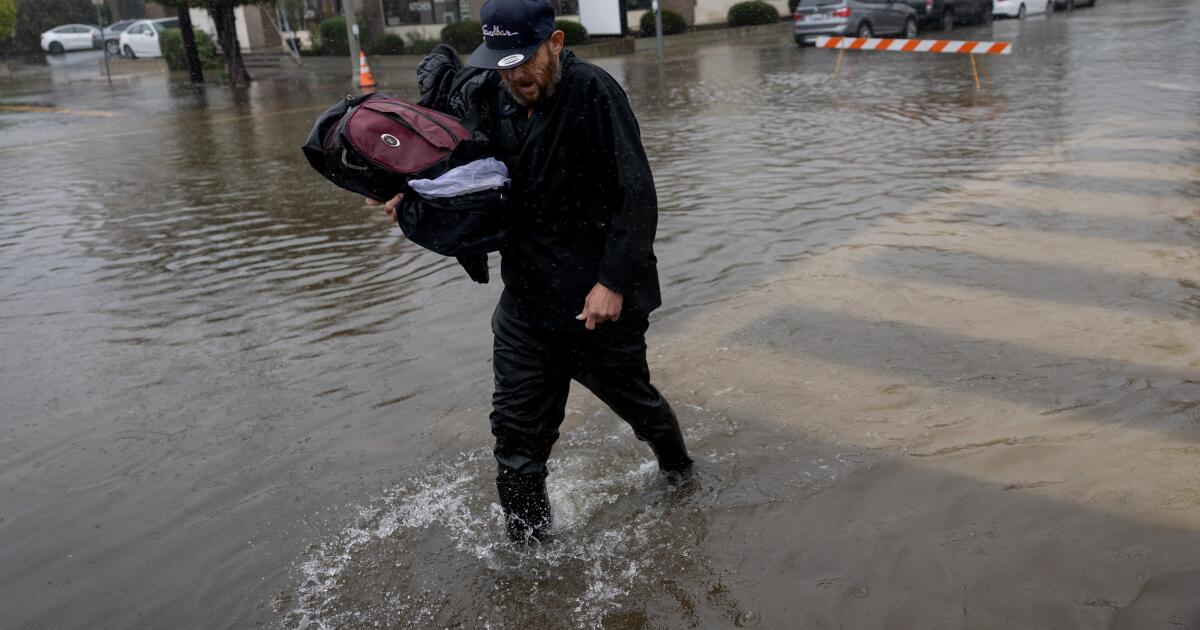
Residents are increasingly leaving flood-prone neighborhoods across the United States, with recent data indicating a significant demographic shift. For the first time since 2019, counties identified as high-risk for flooding experienced a net loss of approximately 30,000 residents, as reported by the real estate platform Redfin. This trend marks a stark contrast to the pandemic years when remote work drove many individuals to coastal and Sun Belt areas.
The analysis focused on 310 high-flood-risk counties identified by climate-risk modeling firm First Street. It compared this data with U.S. Census Bureau population estimates covering the year starting in July 2023. While 132 counties saw more people leave than move in, 178 counties recorded net population increases, largely due to strong immigration from abroad.
Major Areas Affected
The outflow of residents hit major coastal metropolitan areas particularly hard. Miami-Dade County led the nation in population loss, with 67,418 residents relocating, a sharp increase from the previous year’s outflow of 50,637. Other notable losses included Harris County, Texas, which lost 31,165 residents, and Kings County, New York, home to Brooklyn, which saw a decrease of 28,158 residents. Additionally, Orleans Parish, Louisiana, where 99% of homes face high flood risk, lost 4,950 residents.
In contrast, counties with low flood risk gained 35,941 people, marking the largest increase since 2019. This demographic movement highlights the growing concern residents face regarding climate-related risks.
Reasons for Relocation
Survey data from Redfin indicated that climate risk was a more significant motivator for residents in Florida compared to those in Texas, who were more inclined to cite economic factors. Florida has grappled with rising insurance premiums and escalating homeowners’ association fees, particularly following the Surfside building collapse in 2021, which resulted in nearly 100 fatalities. Such factors have made coastal living increasingly challenging financially.
Moreover, Hurricane Helene, which inflicted an estimated $93 million in damage to Pinellas County last year, contributed to the county’s first net population outflow in years. Some displaced residents migrated to neighboring Pasco County, where flood risk is lower, while others left the state entirely.
Despite these domestic migration challenges, international immigration has helped offset some losses in flood-prone areas. For example, Miami-Dade County welcomed over 120,000 international arrivals, which compensated for those who departed. Interestingly, six of the ten high-flood-risk counties with the largest domestic outflows still posted overall population gains due to these new arrivals.
The shifting patterns of migration reflect broader concerns about climate change and its impact on residential choices in the United States. The data suggests that as awareness of climate risks grows, more individuals may reconsider their living situations in favor of safer, less vulnerable areas.
























