








































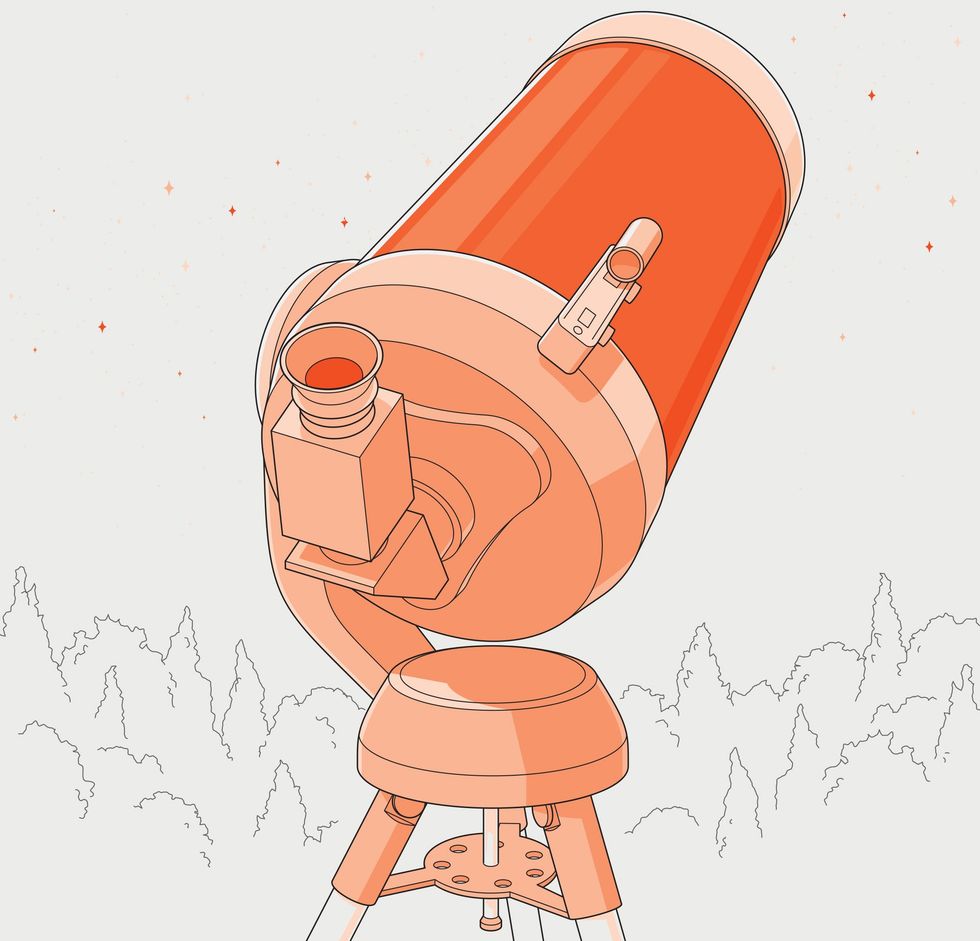
Amateur astronomer James Provost has developed a cost-effective DIY amplifying eyepiece designed to enhance the viewing experience of deep-sky objects like nebulae and galaxies. With a budget of less than US $250, Provost aimed to provide a more accessible option for community members attending public astronomy observation nights.
Historically, amateur astronomers have faced limitations when trying to observe celestial wonders. Traditional methods involve either viewing with the naked eye through a telescope or capturing long-exposure images with astrocameras displayed on screens. While the latter offers stunning visuals, it detracts from the immediacy and thrill of live stargazing. Commercial options for active light amplification exist, but they often carry hefty price tags ranging from hundreds to thousands of dollars.
Provost’s innovative solution draws from existing technology in the security camera industry, specifically the Analog High Definition (AHD) transmission standard. This standard allows the integration of new cameras with existing long cable runs, maintaining high-quality images. By utilizing a 2-megapixel Sony IMX307 sensor combined with an NVP2441 chipset, he created a device capable of capturing light more effectively than the human eye, albeit with a slightly longer exposure time.
Building the DIY Eyepiece
The core of the project involved selecting a CMOS image sensor module that supports Starlight or Sens-Up mode, enhancing sensitivity under low-light conditions. After testing various camera modules, Provost successfully identified one that met his requirements.
The output from the camera is directed to a digital viewfinder, which displays video and navigational menus. A capture card then converts the analog signal into a digital format, enabling users to view and save images on smartphones. Powering this equipment can be done via an external USB-C connection or batteries, allowing for stand-alone operation.
The entire assembly fits into a custom enclosure made from 3D-printed parts, designed to match the typical 32-millimeter diameter of telescope eyepieces. This thoughtful design ensures easy mounting and accessibility for users.
Testing the Enhancements
To test his creation, Provost paired the amplifying eyepiece with his Celestron C11 telescope. The first celestial target was the Dumbbell Nebula (Messier 27), which typically poses a challenge for amateur observers. The result was a significantly brighter view compared to what could be seen with the naked eye. Although the results did not match those obtained from commercial systems equipped with noise-reducing technology, the improvement was notable and achieved at a fraction of the cost.
The versatility of the device adds to its appeal. When detached from the telescope and fitted with a 2.8-mm HD lens, the eyepiece can function as a night-vision camera, enhancing usability during dark outdoor conditions.
James Provost’s DIY amplifying eyepiece represents a significant step forward in making deep-sky objects more accessible for amateur astronomers, merging affordability with advanced technology. As the interest in stargazing continues to grow, innovations like these serve to inspire a new generation of enthusiasts.
























