








































The Winnetka Historical Society is set to launch a new exhibit titled “Surprising Stories of the North Shore,” opening on January 6, 2024. This unique display will explore lesser-known historical narratives from the affluent North Shore region of Illinois, including notable figures such as Abraham Lincoln and events like the establishment of a World War II German POW camp.
The exhibit will be showcased at the Winnetka Library located at 768 Oak Street and the Winnetka Community House at 620 Lincoln Avenue, with twelve panels divided equally between the two venues. The exhibit will run until the end of April, with the locations swapping halfway through to provide a fresh experience for visitors.
Originally launched at the North Shore Senior Center in Northfield last fall, the exhibit features a variety of narratives that extend beyond the well-documented lives of politicians, business leaders, and entertainers who have resided in the area. Among the most surprising stories is the existence of Camp Skokie Valley, a WWII-era camp that housed German prisoners of war. Initially set up in 1933 for the Civilian Conservation Corps (CCC), the camp transitioned to accommodating POWs by June 1945, with around 400 prisoners interned there, engaging in work such as salvaging gas mask parts.
Another highlight is the account of Lincoln’s visit to Evanston. On April 5, 1860, after attending meetings in Chicago, he traveled to Evanston to meet with Julius White. During his visit, Lincoln was invited to deliver an impromptu speech from a porch in the small community, which at the time had a population of merely 1,200 residents. This visit occurred shortly before Lincoln received the Republican presidential nomination.
The exhibit also recounts stories from the Underground Railroad. Notably, it tells of an escapee named Andrew Jackson, who found refuge with Lyman and Clarrissa Wilmot before being transported to safety on a lumber ship owned by Sylvester Lind, the mayor of Lake Forest. This ship played a pivotal role in transporting others to Canada, emphasizing the region’s hidden history of aiding those seeking freedom.
In addition, the exhibit features the story of Roger Barrett, a U.S. Army intelligence officer who served on the prosecution team during the Nuremberg war crime trials. Barrett’s interactions with high-profile defendants, including Hermann Goering, provide insight into the complexities of justice following the war.
The historical society’s staff and board aim to use the traveling exhibit to enhance public interest in their permanent collections, which are typically open limited hours. The society’s permanent location at 411 Linden Street includes a re-creation of the office of Frank Windes, a notable village engineer who played a significant role in local infrastructure development.
Carrie Hoza, president of the historical society, noted the importance of including a broader narrative that encompasses the interconnected histories of various North Shore communities, such as Wilmette, Glencoe, and Lake Forest. The exhibit has already gained significant visibility, with approximately 300 to 400 visitors passing through the senior center daily, as highlighted by executive director Tish Rudnicki.
Funding for the exhibit has been generously provided by the Dr. Scholl Foundation, alongside contributions from various local benefactors. As part of the exhibit’s launch, a hybrid program titled “Surprising Stories of the North Shore” will take place at the library on February 17, 2024, at 16:00, further engaging the community with its rich history.
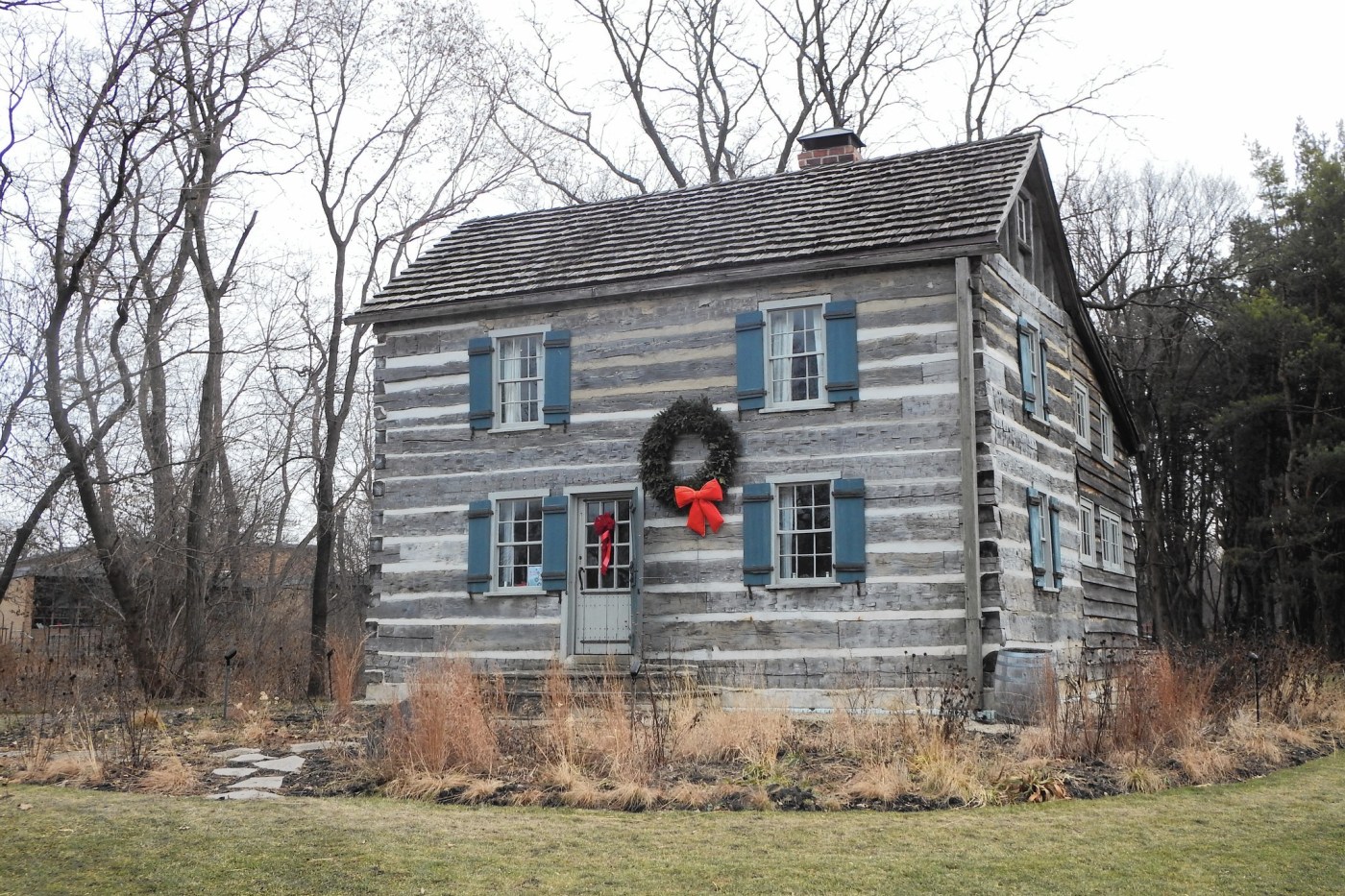
Looking ahead, the historical society is planning a documentary in collaboration with filmmaker John Newcombe, focusing on the history of the Schmidt-Burnham Log House, which was built in 1837 and remains a significant cultural landmark in the region.
The traveling exhibit not only aims to educate but also has the potential to enhance revenue for the nonprofit organization, which reported revenues of $353,000 and expenses of $316,000 in 2024. Through these initiatives, the Winnetka Historical Society continues to preserve and promote the rich tapestry of local history for future generations.
























