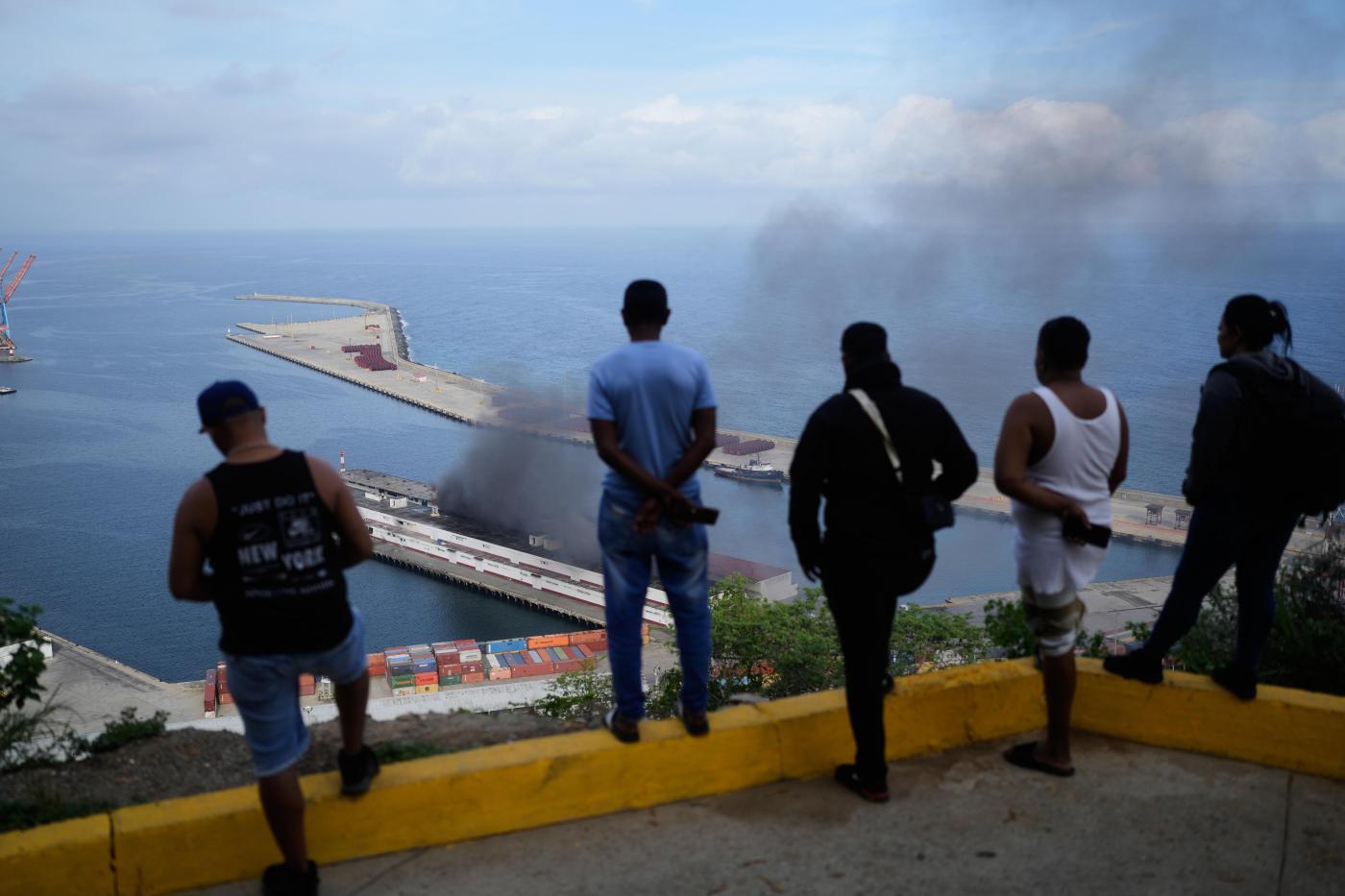
Early on Saturday morning, a significant shift occurred in the geopolitical landscape of the Americas as reported U.S. airstrikes targeted Caracas, resulting in the capture of Venezuelan leader Nicolás Maduro. This development has transformed the atmosphere in South Florida, particularly in communities such as Miramar and Doral, which are home to many Venezuelans. For these families, the news brings a complex blend of relief and anxiety, prompting urgent discussions about the future of democracy in Venezuela.
Elijah Manley, a congressional candidate for Florida’s 20th District, representing Broward and Palm Beach counties, asserts that U.S. foreign policy must pivot from pressure to stabilization in Venezuela. He emphasizes the necessity of preventing a power vacuum in Caracas from evolving into chaos, advocating for a South Florida-centric approach to support the Venezuelan transition.
“We cannot allow the vacuum of power in Caracas to become a vacuum of order,” Manley stated. He believes that any change in leadership should prioritize the welfare of the Venezuelan people, rather than resulting in prolonged instability.
The Venezuelan community in South Florida, which is mobilized in support of democracy, plays a crucial role in this transition. From small business owners in Sunrise to families in West Palm Beach and Miami, the diaspora possesses valuable insights that Washington lacks. Manley proposes the establishment of a Diaspora Advisory Council to ensure that the voices of those directly affected are heard. This council would focus on targeting Maduro’s associates without further endangering families caught between the regime and existing embargoes.
Manley criticizes the current sanctions strategy, which he argues disproportionately affects the working class while allowing the elite to evade consequences. He highlights the regime’s adaptation strategies, such as the use of shadow fleets and cryptocurrency to obscure illicit proceeds. To combat this, he calls for hyper-targeted sanctions under the Global Magnitsky Act, aimed specifically at individuals and entities linked to corruption, including the infamous “Cartel of the Suns.”
The importance of returning stolen assets is another critical point in Manley’s plan. He notes that billions in seized Venezuelan property are currently unaccounted for and proposes a transparent, United Nations-verified Reconstruction Trust Fund. This fund would ensure that any seized assets are dedicated solely to rebuilding essential infrastructure like hospitals and water systems, and promoting free elections once democracy is restored.
Manley also addresses what he sees as a contradiction in U.S. policy. He argues that designating the Venezuelan regime as a “narco-terrorist” organization while simultaneously ending Temporary Protected Status (TPS) for Venezuelans is both morally and strategically flawed. According to Manley, this decision is particularly damaging, given that Florida’s TPS holders contribute approximately $10.7 billion annually to the state’s GDP and maintain a high employment rate of 95%. He contends that stripping work authorization from these individuals not only weakens the local community but also risks pushing families back into the oppressive regime.
The candidate extends his argument to include the situation in Haiti, advocating for a comprehensive approach to U.S. foreign policy that addresses both the Venezuelan regime’s funding and the flow of firearms from Florida to Port-au-Prince. Manley insists that foreign policy is intertwined with domestic issues, and securing ports while targeting the finances of oppressive regimes is essential for rebuilding efforts.
In summary, as the U.S. confronts the fallout from its actions in Venezuela, the emphasis must shift towards stabilizing the region and supporting the Venezuelan people in their quest for democracy. Manley’s proposed strategies highlight the need for a nuanced approach that prioritizes humanitarian considerations while also addressing the complexities of regime change. While Maduro’s capture marks a significant moment, the path to true democracy in Venezuela remains fraught with challenges.