








































Donald Trump recently expressed that Cuba’s economic situation is dire, urging the country to negotiate before it is too late. With the decline of support from Venezuela, Cuba faces significant challenges. Trump stated on Truth Social, “Cuba is ready to fall … Cuba has no income. They got all of their income from Venezuela.” This message reflects the growing concerns about the future of the island nation under the leadership of Miguel Diaz-Canel.
Cuba has undergone a leadership transition since the death of its historical figure, Fidel Castro, in 2016. Castro’s brother, Raul Castro, who led the country after Fidel stepped down in 2008 for health reasons, handed over power to Diaz-Canel in 2018. Unlike his predecessors, Diaz-Canel was born after the 1959 Cuban Revolution and has not shared the same direct political experience with American leaders.
Under Raul Castro, Cuba maintained a close relationship with Venezuela, which provided essential oil and economic support. However, with Venezuelan President Nicolas Maduro now facing legal troubles in the United States, these resources have dwindled. Trump noted that there will be “no more oil or money going to Cuba — Zero,” stressing the urgency for Cuba to find alternative solutions.
In response to Trump’s comments, Diaz-Canel asserted, “Cuba is a free, independent and sovereign nation. Nobody dictates what we do.” This statement echoes sentiments expressed by Maduro in the past, highlighting a continued resistance to external pressures.
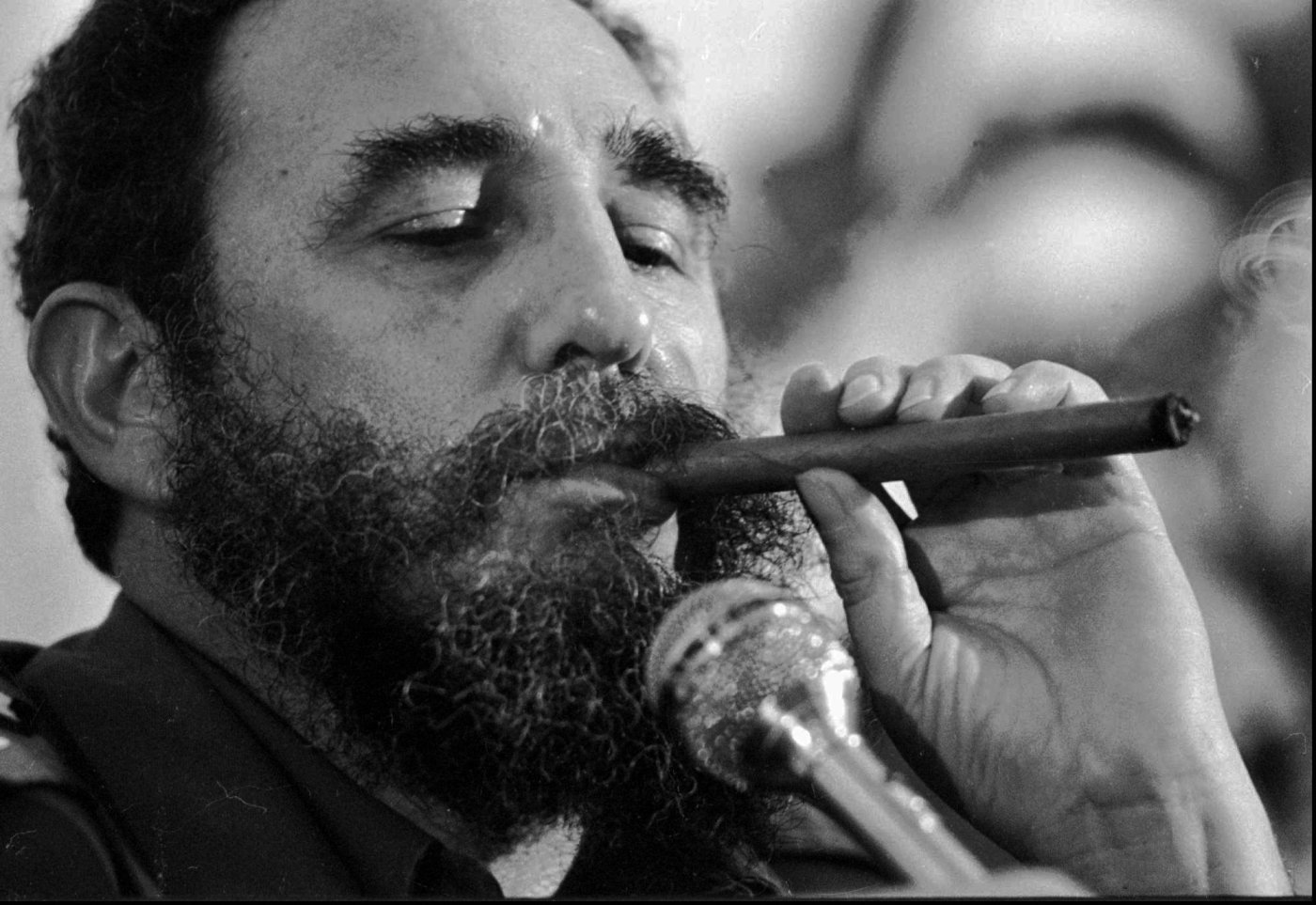
While Fidel Castro was often seen as a controversial figure, he was also a skilled negotiator who was adept at navigating relationships with U.S. presidents. A notable example of his diplomatic skill occurred in 1984 when Jesse Jackson traveled to Cuba to negotiate the release of American citizens held there. During this visit, Castro hosted a lavish reception, showcasing his charisma and ability to charm foreign dignitaries.
Castro’s legacy is complex. He was responsible for significant political repression, executing thousands of political opponents alongside his associate, Che Guevara. Yet, during his time in power, he managed to position Cuba as a significant player on the global stage, despite its economic struggles.
The current state of Cuba reflects a stark contrast to the vibrant political landscape of the past. Today, the nation grapples with economic isolation and a lack of leadership that resonates internationally. The absence of a figure like Fidel Castro, who could engage with U.S. presidents, raises questions about the future direction of Cuban diplomacy.
As the situation unfolds, the dynamics between Cuba and the United States may evolve, particularly if economic conditions worsen. The potential for negotiation remains, but the path forward is uncertain, with both political and economic stakes at play.
























