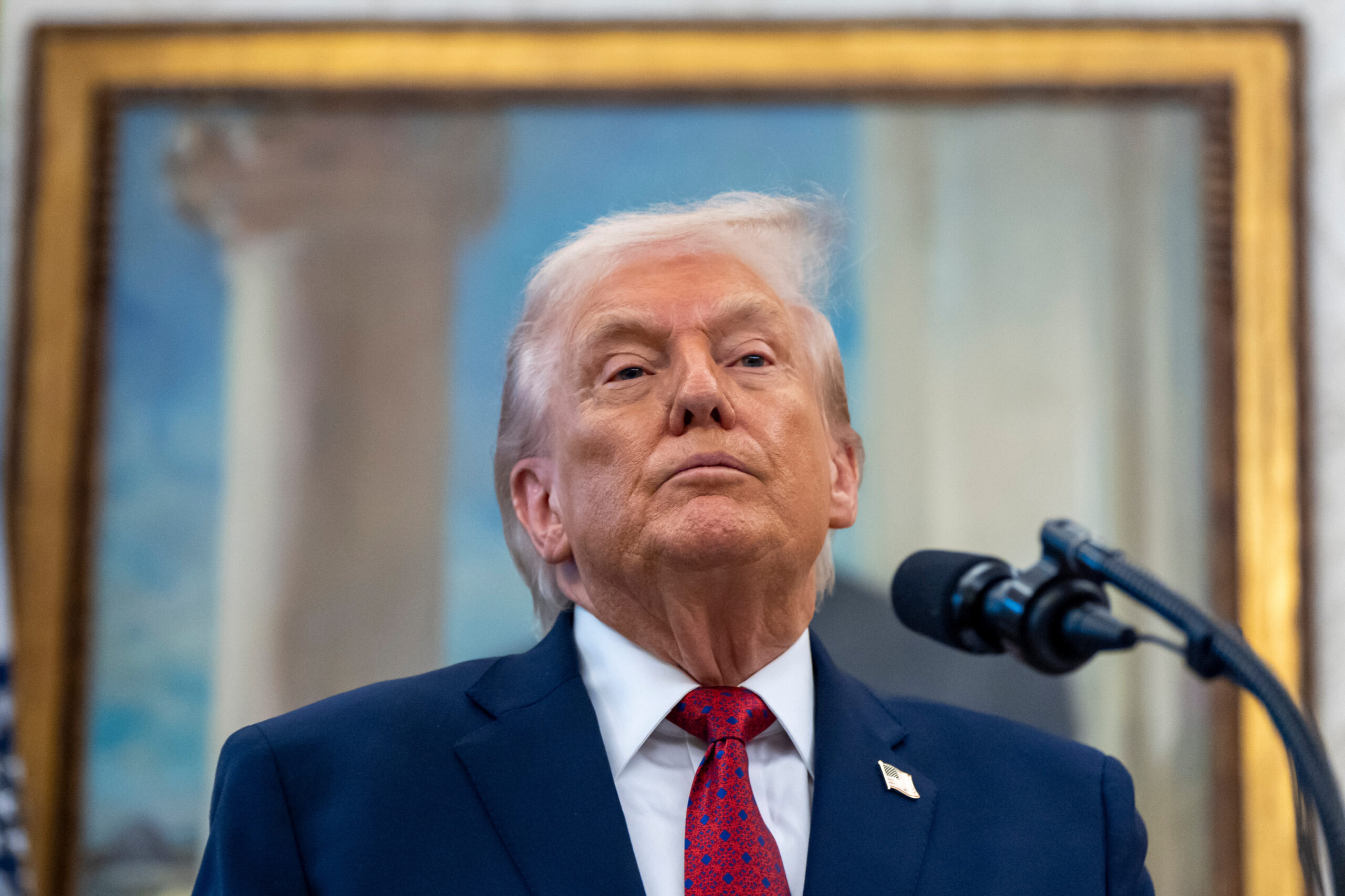
Former President Donald Trump has officially classified fentanyl as a “weapon of mass destruction,” a designation that could significantly reshape U.S. policy toward China and influence military strategies across the Western Hemisphere. This announcement, made in September 2023, underscores the escalating crisis surrounding fentanyl trafficking and its devastating impact on public health.
The move aligns with ongoing efforts by the Drug Enforcement Administration (DEA) to combat the proliferation of synthetic opioids, which have been linked to a surge in overdose deaths across the United States. In 2021 alone, nearly 70,000 deaths were attributed to synthetic opioids, primarily fentanyl, highlighting the urgent need for decisive action.
Trump’s declaration comes amid heightened tensions between the United States and China, where much of the fentanyl is believed to be manufactured. By designating fentanyl as a weapon of mass destruction, the former president aims to mobilize international cooperation to tackle this pressing issue. This classification could lead to stricter sanctions on Chinese manufacturers and suppliers involved in the production and distribution of fentanyl.
Efforts to address the fentanyl crisis have previously included increased funding for law enforcement and public health initiatives. According to the Centers for Disease Control and Prevention (CDC), the opioid epidemic costs the U.S. economy more than $1 trillion annually in healthcare, lost productivity, and criminal justice expenses. Trump’s new classification could amplify these initiatives, potentially leading to a more militarized approach to drug enforcement.
The implications of this designation extend beyond domestic policy. It could shift military resources and attention toward combating drug trafficking networks that operate across borders, particularly those linked to China and Mexico. This military buildup may involve enhanced surveillance, intelligence operations, and direct interventions aimed at dismantling these networks.
Furthermore, Trump’s stance may galvanize bipartisan support within Congress, as lawmakers from both parties grapple with the urgent need to address the opioid epidemic. Lawmakers have previously expressed concerns over the FDA’s regulatory processes regarding opioid prescriptions and the availability of synthetic opioids.
As the Biden administration continues to face criticism over its handling of the opioid crisis, Trump’s declaration may serve as a rallying point for those advocating for tougher measures against drug trafficking. The potential for a military response to drug-related issues marks a significant shift in policy that could have lasting repercussions for U.S. foreign relations and domestic health strategies.
In conclusion, the decision to classify fentanyl as a weapon of mass destruction sets a bold precedent in the fight against the opioid epidemic. It signals a determination to confront not only the drug crisis but also its international dimensions. As this policy unfolds, its effectiveness in curbing the devastating impacts of fentanyl will be closely monitored by both public health officials and international stakeholders.