








































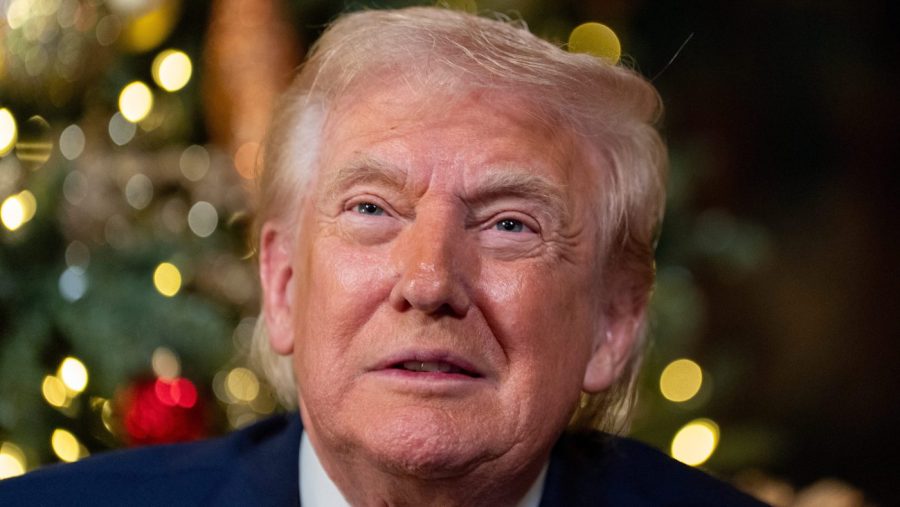
President Donald Trump and his Cabinet officials prominently featured religious themes in their Christmas messages, reinforcing the administration’s commitment to promoting Christianity. This approach marks a continuation of Trump’s efforts to engage with religious communities, particularly during significant holidays.
On December 25, 2023, Trump extended Christmas greetings to Americans, emphasizing the importance of faith and family during this festive season. His message included references to the values celebrated during Christmas, such as hope, love, and redemption, appealing to a wide audience of believers across the country.
The religious messaging did not stop with holiday greetings. Later in the day, Trump announced military action against the Islamic State in Nigeria, stating that the United States had conducted airstrikes targeting what he described as “ISIS terrorist scum.” The President characterized this operation as retribution for the group’s ongoing threats and violence.
This dual focus on religious sentiments and military action highlights the administration’s strategy of intertwining faith-based rhetoric with national security initiatives. Critics and supporters alike have noted how this approach is designed to resonate with Trump’s core voter base, particularly evangelical Christians who prioritize religious values in their political choices.
As the day unfolded, the administration’s communications reflected a broader narrative that seeks to unify American citizens through shared religious beliefs, particularly during a season traditionally associated with goodwill and charity. Trump’s use of religious language and themes aligns with his previous efforts to establish a strong connection with faith-oriented voters, a demographic that has significantly supported him in past elections.
The Christmas messages from the Trump administration were further amplified by various Cabinet officials who echoed similar sentiments. This strategy not only reinforces the administration’s alignment with religious values but also serves to strengthen its position among key voter blocs as the country approaches another election cycle.
While the combination of religious messaging and military announcements may seem divergent, it underscores a calculated approach to governance that seeks to blend faith with policy. Observers are left to consider how this messaging will influence public perception and voter sentiment leading up to the next presidential election.
As the administration navigates these themes, the balance between religious expression and national security remains a focal point of discussion among political analysts and the public alike.
























