








































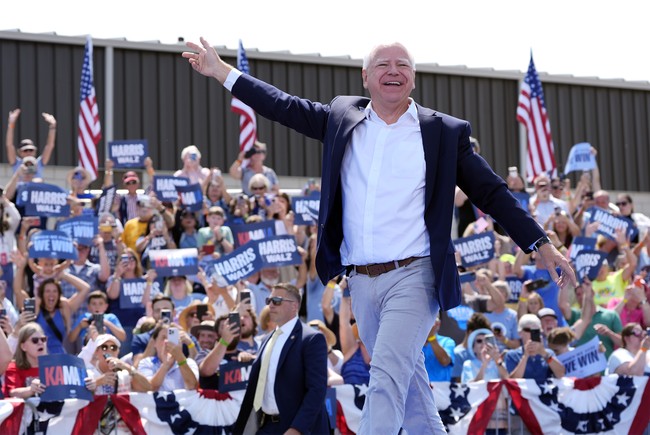
During the recent 2024 Vice Presidential Debate, Minnesota Governor Tim Walz made statements about the state’s achievements in childcare that have since drawn scrutiny. He asserted Minnesota’s position as a leader in the childcare sector, claiming significant progress in making it easier for providers to enter the business. These declarations have sparked controversy, with critics questioning their accuracy and the underlying implications.
Walz’s comments, particularly about Minnesota being the best state for childcare, were met with skepticism. Observers noted that while funding for childcare initiatives has increased, this has not necessarily translated into improved outcomes for families. Critics argue that many childcare facilities, particularly those run by specific demographic groups, may not be delivering the quality care that the Governor touted.
A notable response came from a post by the social media user known as El Gato Malo, which humorously critiqued Walz’s statements, suggesting they have not aged well. The post highlighted discrepancies between the funding received and the actual impact on childcare services, emphasizing a perceived disconnect between political rhetoric and reality.
As investigations into childcare facilities in Minnesota unfold, residents across the United States are beginning to examine similar establishments in their own states. Some have reported discovering concerning affiliations and questionable practices associated with certain childcare centers.
The implications of Walz’s assertions extend beyond Minnesota. Similar conversations have emerged in other states, such as Virginia, where politicians like Abigail Spanberger have also emphasized the high costs of childcare. Critics speculate whether these discussions are genuinely aimed at reform or are instead efforts to secure political support through funding channels that disproportionately benefit certain groups.
The debate has raised broader questions about the effectiveness of childcare policies and the accountability of public officials. As voters prepare for the upcoming elections, the accuracy and implications of statements made by leaders like Walz will likely continue to be scrutinized.
In light of these developments, many are calling for more thorough investigative reporting to ensure that politicians are held accountable for their claims. The discourse surrounding childcare, funding, and political accountability remains critically relevant as stakeholders from various sectors engage in this vital conversation.
Walz’s remarks during the debate, particularly regarding the supposed ease of entering the childcare business, have become a focal point for critics who argue that such claims may misrepresent the complexities and challenges faced by providers and families alike. In the coming months, the ramifications of these statements may influence public perception and electoral outcomes as Americans seek clarity on childcare issues that directly affect their communities.
























