








































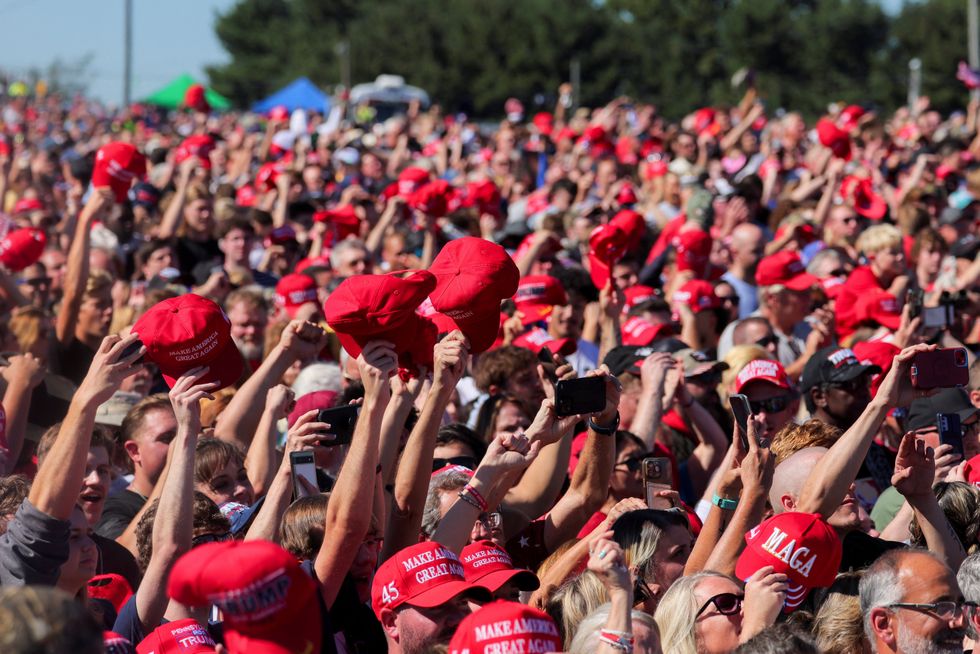
Supporters of former President Donald Trump have expressed gratitude following a report indicating a decline in overdose deaths in the United States. However, the same report raises critical questions about the effectiveness of Trump’s policies in addressing the ongoing opioid crisis.
According to a recent article by ABC, titled “US overdose deaths fell through most of 2025, federal data reveals,” overdose deaths decreased over the past year, marking the longest decline in decades. The report highlights that this trend has been ongoing for more than two years. Nonetheless, experts caution that the pace of this decline is slowing, potentially signaling emerging challenges in the fight against drug-related fatalities.
Following the report’s release, several prominent supporters took to social media to attribute the decrease in overdose deaths to Trump’s administration, particularly its aggressive stance on drug trafficking. U.S. Immigration and Customs Enforcement (ICE) commended the former president’s policies, stating, “Securing the border and removing criminal illegal alien gang members and drug traffickers from the U.S. yields fantastic results. Thank you, President Trump.”
Influential figures within the pro-Trump community echoed similar sentiments. Andy Ngo, a right-wing commentator, questioned the reasons behind the improvements, while pundit Kathleen McKinley asserted that “closed borders” were responsible for the positive change.
Business executive Bill Ackman criticized current leadership, suggesting that poor policies could lead to significant loss of life. In a related comment, former Trump official Vianca Rodriguez remarked on the apparent effectiveness of Trump’s anti-drug trafficking initiatives.
Despite these celebratory claims, the ABC report indicates that the decline in overdose deaths may not be directly linked to Trump’s policies. Researchers from Maryland and Pittsburgh suggested that the slowing reduction in deaths could actually be influenced by the former administration’s decisions. They noted that relations between the U.S. and China deteriorated last year, particularly following Trump’s implementation of higher tariffs on Chinese imports. This change may have prompted a reduction in China’s efforts to control the flow of fentanyl precursors, a key factor in the opioid crisis.
Additionally, concerns were raised about potential economic relief measures, such as Trump’s promise of a $2,000 check to Americans, which might inadvertently lead to increased overdose rates as some individuals could misuse the funds.
Dr. Donald Burke, a researcher involved in the study, urged federal officials to carefully consider how financial assistance is distributed, warning of potential consequences for drug users.
While supporters celebrate the reported decrease in overdose deaths, they may overlook the complexities underlying this trend. The data presents a mixed picture, suggesting that while there are improvements, the battle against the opioid epidemic remains far from over.
As the nation continues to grapple with the repercussions of drug addiction, both the successes and shortcomings of past policies will likely remain under scrutiny. Understanding the full impact of political actions on public health will be crucial in shaping future strategies to address this devastating crisis.
























