








































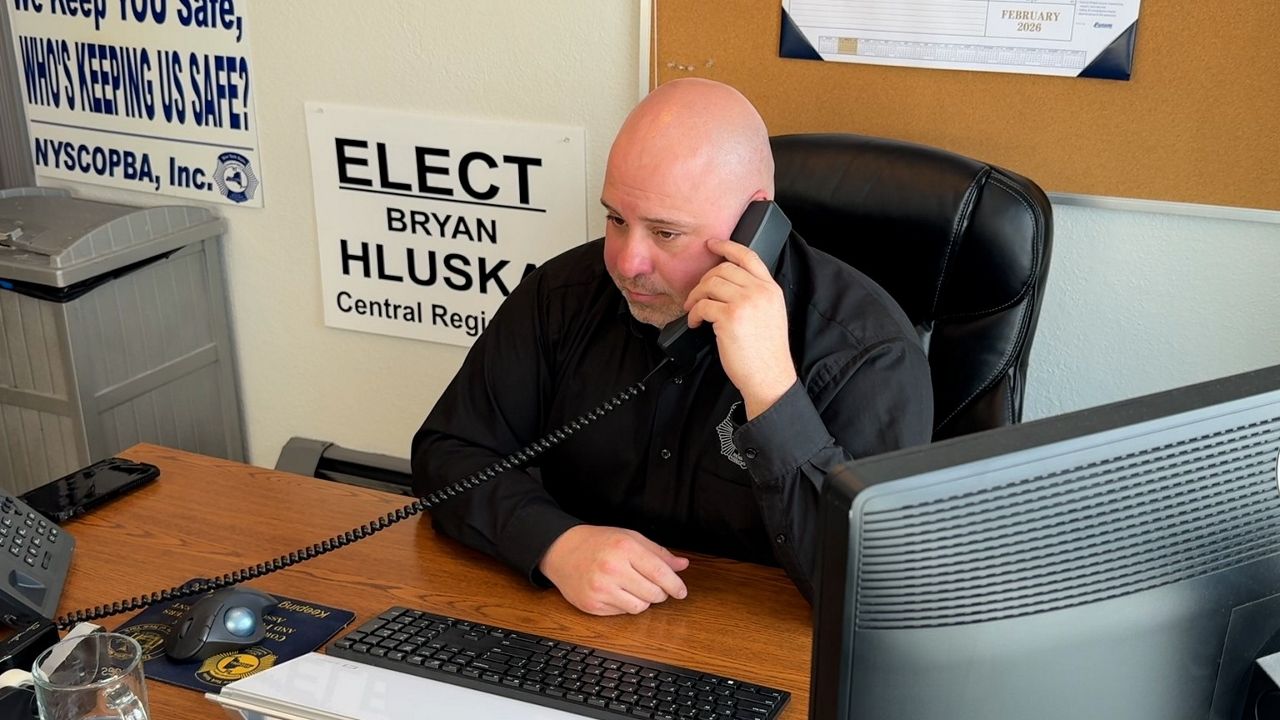
Staffing shortages in New York’s correctional facilities continue to pose significant challenges, as the New York State Correctional Officers & Police Benevolent Association (NYSCOPBA) reports ongoing struggles to maintain adequate personnel levels. According to Bryan Hluska, the vice president of NYSCOPBA’s Central Region, the situation has not improved since the strike last year, with approximately 4,500 correction officers still needed to meet operational demands.
The presence of National Guard members in state prisons has become a stopgap measure. Currently, there are around 2,700 National Guard personnel assisting in various roles, down from over 7,000. These personnel, while not trained as correction officers, have been crucial in helping alleviate immediate staffing pressures. Hluska acknowledged the necessity of their deployment, stating, “If we can’t recruit our way out of this, they need to deploy more National Guard.”
Hluska emphasized that the state’s recruitment efforts have produced limited results. While there are 12,000 recruits in the pipeline, only about 60 to 70 new officers complete academy classes every two months. He expressed concern that the ongoing staffing shortages have severely impacted the ability to run essential rehabilitation programs for inmates.
The current lack of staffing has forced facilities to prioritize programs for inmates in restrictive environments over those in the general population. “We don’t have enough staff to run programs in general population,” Hluska explained. “So we have to put the general population inmates on the burn.” This situation raises questions about the potential for inmate rehabilitation, with Hluska pointing out that the environment within prisons often mirrors the conditions that led to criminal behavior.
State Responses and Recruitment Initiatives
The New York State Department of Corrections and Community Supervision (DOCCS) is actively addressing the staffing crisis through various initiatives. Daniel Martuscello, the Commissioner of DOCCS, highlighted the ongoing “Recover, Recruit and Rebuild” initiative aimed at stabilizing staffing levels and enhancing safety within facilities. According to DOCCS, this initiative has contributed to a 155% increase in individuals taking the correction officer exam, alongside a 64% increase in appointments and a 44% increase in those who have completed the academy.
The next academy class is set to begin on February 23, 2024, with 130 recruits expected to join. Governor Kathy Hochul has expressed her support for correction officers, emphasizing the state’s commitment to improving recruitment and retention through higher pay, bonuses, and modifications to eligibility requirements, including lowering the age for applicants and eliminating residency mandates.
Despite these efforts, Hluska remains concerned about the conditions within the facilities. He pointed to the ongoing issue of drug smuggling, which exacerbates safety risks for both staff and inmates. “If they want to truly rehabilitate inmates, why aren’t they doing everything they can to make that environment a place where you can be really rehabilitated?” he questioned, calling for a more secure environment to facilitate genuine rehabilitation efforts.
The NYSCOPBA has also advocated for changes to the Humane Alternatives to Long-Term Solitary Confinement (HALT) Act, suggesting that modifications are necessary to allow for appropriate disciplinary actions against incarcerated individuals. While some state lawmakers assert that HALT does not require changes, they argue that the law has not been implemented effectively.
As New York grapples with these challenges, the combination of staffing shortages, the role of the National Guard, and the need for effective rehabilitation programs remains a pressing issue. The state’s ability to address these matters will be crucial in ensuring the safety and well-being of both correctional officers and the incarcerated population.
























