








































A growing trend towards alcohol-free parties is reshaping the global nightlife scene, with events like the Seoul Morning Coffee Club’s Coffee Rave leading the charge. On a recent October Saturday, Park Jihyun, a 29-year-old resident of Seoul, began her day at 5:30 a.m. with a unique twist on traditional raving. Instead of the typical club attire, she opted for running tights and shoes, jogging five miles to the venue in Yongsan-gu to participate in the early morning event.
Since its inception in May, the Coffee Rave has attracted hundreds of attendees seeking a caffeine-fueled alternative to conventional nightlife. Tickets are priced at 20,000 won (approximately $14), and attendees can enjoy beverages like iced Americanos or matcha before dancing to the DJ’s upbeat tracks as the sun rises. “It’s a fresh start to the day,” said Park Jae-hyun, the event’s founder. “Everyone looks excited and happy, even without alcohol.”
The concept of sober raves is not entirely new. Organizations such as Daybreaker in New York and Morning Gloryville in London have been hosting alcohol-free dance events for over a decade. However, in recent years, this genre has expanded into community-oriented spaces like coffee shops and bakeries, significantly altering the traditional club scene.
Global Movement Towards Alcohol-Free Events
The trend is gaining momentum worldwide, particularly among younger generations who prioritize health and wellness. From Brisbane to Toronto and Paris to Mumbai, many members of Gen Z and younger Millennials are drinking less and seeking alternatives to the typical nightlife experience.
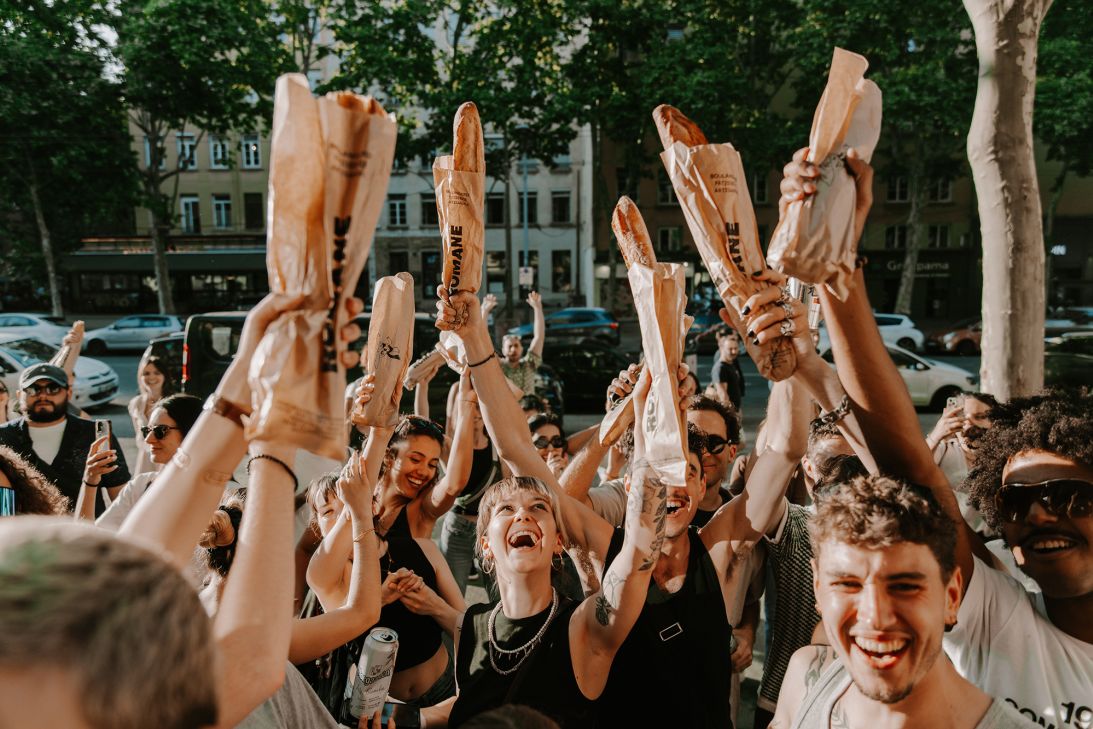
In France, one of the early pioneers of this movement, Aazar (real name Alexis Duvivier), launched his first bakery rave in Paris in 2019. While his initial goal was not to create a viral trend, he aimed to combine his love for music and traditional French boulangeries. Duvivier’s events have since taken off, attracting large crowds and garnering attention on social media.
“I wanted to create a free event for my fans,” Duvivier explained. “It was never meant to be a gimmick.” His early raves featured music against a backdrop of baked goods, providing a unique atmosphere that resonated with attendees.
Addressing Mental Health and Community Needs
The rise of sober raves reflects a broader societal shift towards addressing mental health and fostering community connections. In South Korea, where mental health challenges are particularly pronounced, the Coffee Rave offers a welcome alternative to the high-pressure nightlife that often accompanies a demanding work culture. According to the Organisation for Economic Co-operation and Development (OECD), South Korea had the highest suicide rate among its member countries in 2023, with 23 suicides per 100,000 people.
Founder Park Jae-hyun emphasized the importance of creating spaces where people can unwind and connect. “I want to help Koreans have a freer life,” he stated. As younger generations increasingly prioritize wellness, events like the Coffee Rave provide an essential outlet for expression and community bonding.
The inclusive atmosphere also appeals to those who may feel out of place in traditional nightlife settings. As Freya Hawksley, a British content creator residing in Seoul, noted, the morning raves offer a positive space for people of all ages. “As a woman, I feel so much safer,” she said, highlighting the family-friendly nature of the events.
In London, DJs Manpal Bhullar and Vishal Kamle have also embraced the trend by hosting sober daytime raves in coffee shops. With many young people expressing disillusionment with the commercialization of nightlife, this movement speaks to a growing desire for more intimate, meaningful social experiences. A recent report from the Night Time Industries Association UK revealed that 61% of respondents aged 18-30 have been going out less frequently due to financial pressures and safety concerns.
Similar sentiments have emerged in Toronto, where Matthew Campoli, co-founder of The Coffee Party, has witnessed a resurgence of interest in sober raves. “There’s a need for genuine connection again,” Campoli stated, reflecting on the changes brought about by the pandemic.
For attendees like Franklin Vaz, who has embraced a sober lifestyle, these events provide an opportunity to connect with like-minded individuals. After meeting his girlfriend at a Coffee Party event, he noted how the atmosphere fosters motivation and personal growth.
The rise of sober raves marks a significant shift in global nightlife culture, indicating a move towards more health-conscious, community-driven experiences. As this trend continues to gain traction, it is clear that many are ready to redefine the way they celebrate and connect, without the need for alcohol.
























