








































The release of millions of pages from the Jeffrey Epstein files has reignited debate over the implications of the information contained within. Critics are raising concerns about significant redactions in the documents, claiming that they may serve to protect prominent figures, including former U.S. President Donald Trump. Some allege that the redactions shield those who may be implicated in Epstein’s activities, while others argue that laws governing national security and the protection of covert operatives necessitate such measures.
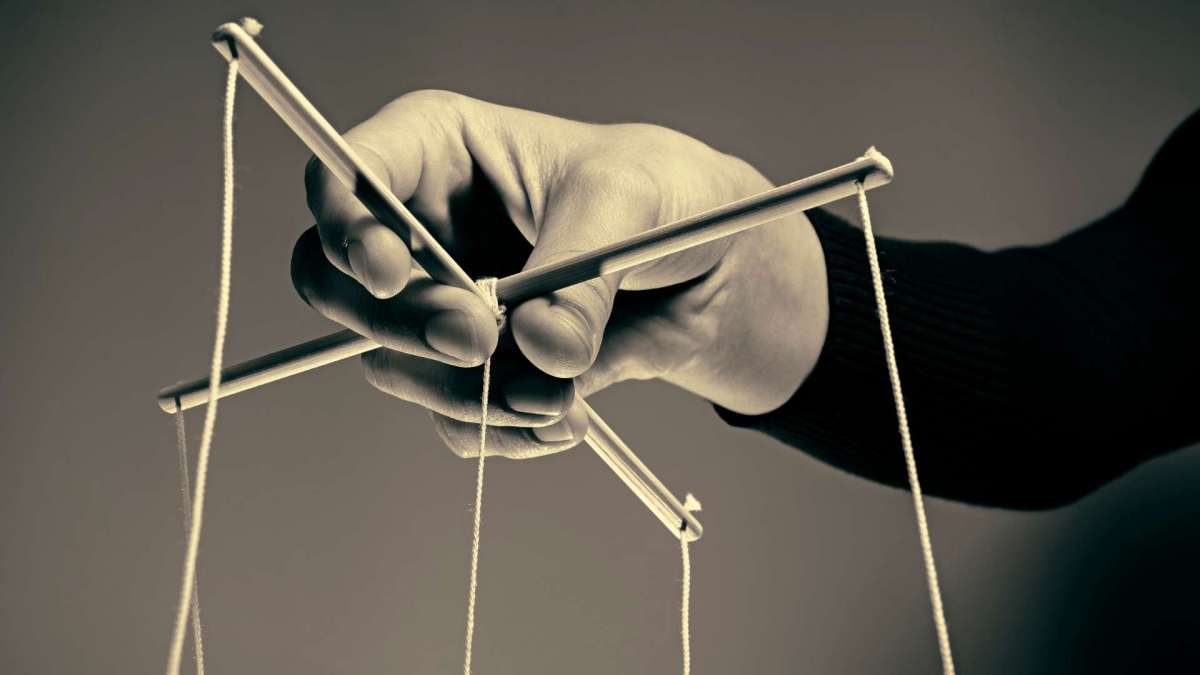
Concerns regarding the content of the Epstein files extend beyond mere redactions. A narrative has emerged suggesting that Epstein’s activities may have been connected to an Israeli blackmail operation. This theory posits that the sensational claims surrounding Epstein—such as those involving underage trafficking—could potentially distract from a more complex web of influence and control. The latest allegations have suggested that Epstein may have been a Russian spy, further complicating the conversation and diverting attention from the pertinent questions surrounding his connections.
The discourse is further muddied by disturbing allegations of heinous acts involving prominent figures. Reports have surfaced about various individuals, including George H.W. Bush and Prince Andrew, being implicated in serious criminal activities. Such claims, often steeped in sensationalism, risk overshadowing legitimate inquiries into Epstein’s extensive network and the potential consequences for U.S. policies regarding Israel.
Historically, Bill Clinton and other celebrities have been linked to Epstein, leading to speculation about their motivations for associating with him. Critics argue that the notion of Epstein acting as a facilitator for these powerful individuals is exaggerated, pointing out that many, such as Clinton, had access to partners without Epstein’s involvement. This raises questions about the real purpose of Epstein’s connections and the implications of his relationships with influential figures.
The ongoing scrutiny of the Epstein narrative highlights a broader concern regarding the power dynamics at play. As Paul Craig Roberts notes, the potential influence of Israel in shaping the narrative surrounding Epstein’s actions cannot be ignored. The ability to control information and create distracting narratives may serve to protect certain interests while obscuring the truth of the matter.
In conclusion, as the investigation into the Epstein files continues, the interplay between redaction, sensationalism, and potential manipulation of narratives will remain critical to understanding the full scope of Epstein’s operations and their broader implications for global politics. The question remains: will the truth ever be fully uncovered, or will the complexities of power and influence prevail?
























