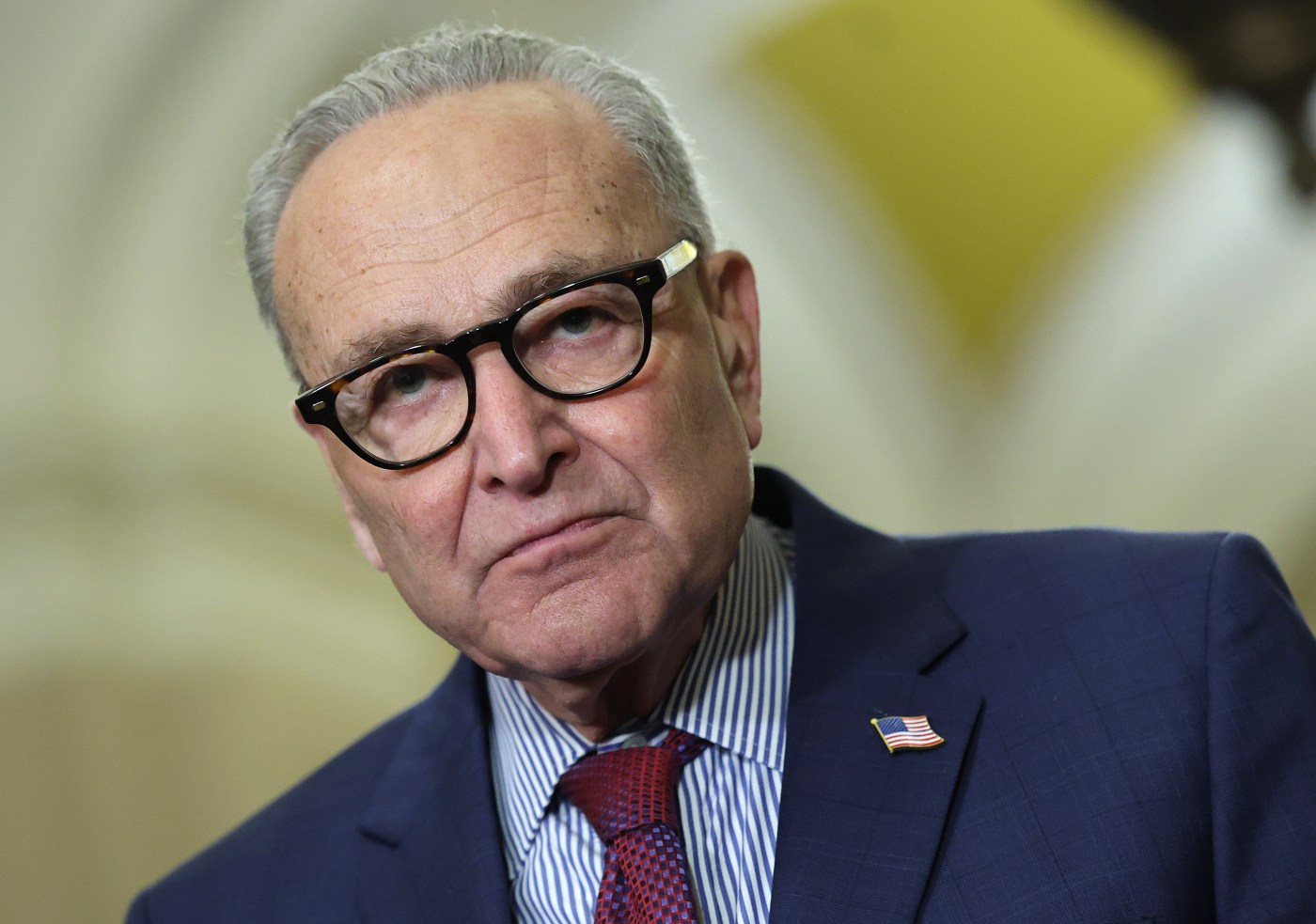
Senate Minority Leader Chuck Schumer has declared that Democrats have a “clear and strong path” to reclaim the Senate during the upcoming midterm elections in 2026. Achieving this goal would require the party to flip four seats currently held by Republicans. In recent interviews discussing a new campaign strategy memo, Schumer highlighted former Alaska Representative Mary Peltola as a formidable contender, along with candidates positioned in North Carolina, Maine, and Ohio.
“It’s a much wider path than the skeptics think, and a much wider path than it was three months ago and certainly a year ago,” Schumer stated, affirming the strength of the Democratic candidates in key battleground states. He expressed optimism during an interview with Politico at the Democratic Senate Campaign Committee headquarters in Washington, D.C.
To regain control, the Democrats face a significant challenge, as Republicans currently hold 53 Senate seats compared to the 47 for the Democratic caucus, which includes two independents. With Vice President J.D. Vance holding a tie-breaking vote, Democrats need to secure four seats to gain a majority. The electoral landscape has traditionally favored the GOP, but recent polling indicates a shift in sentiment among independent voters, with growing dissatisfaction towards former President Donald Trump, who is facing declining approval ratings.
Peltola, who triumphed in a statewide House race in 2022 but faced defeat in 2024, is regarded as a credible challenger to Republican Senator Dan Sullivan in Alaska. Although the state has leaned more left in recent elections, it remains predominantly Republican, necessitating a significant national shift for Peltola, who is campaigning on a “Fish, Family and Freedom” platform, to achieve victory.
In Maine, Senator Susan Collins is the sole Republican incumbent running for reelection in a state that Trump lost in 2024. The Democratic party appears divided between Governor Janet Mills, a key recruit for Schumer, and progressive candidate Graham Platner.
North Carolina also presents a viable opportunity for Democrats, particularly with popular Governor Roy Cooper entering the race for the seat left vacant by retiring Republican Senator Thom Tillis. In Ohio, the situation appears more challenging, even with former Democratic Senator Sherrod Brown attempting a comeback against Senator Jon Husted, who was appointed to succeed Vance.
While some races are promising, others present formidable obstacles. Representative Ashley Hinson (R-Iowa) is viewed as a strong candidate to replace retiring Senator Joni Ernst, despite recent Democratic successes in special elections within the state. In Texas, Republicans maintain confidence in their stronghold, even as Latino voters show signs of shifting away from the party following their support for Trump in 2024. Senator John Cornyn faces a challenge from Attorney General Ken Paxton, who has been embroiled in controversy, while Democrats are weighing options between outspoken Representative Jasmine Crockett and state Representative James Talarico.
The House of Representatives has long been cited as a more achievable target for Democrats, given the narrow five-seat majority held by Republicans. Approximately 20 Republican incumbents are facing difficult reelection battles, offering a glimmer of hope for a Democratic resurgence in 2026.
As the political landscape evolves, Schumer’s assertion of a strong path forward sets the stage for a competitive electoral cycle, with implications for both party strategies and the broader political climate in the United States.