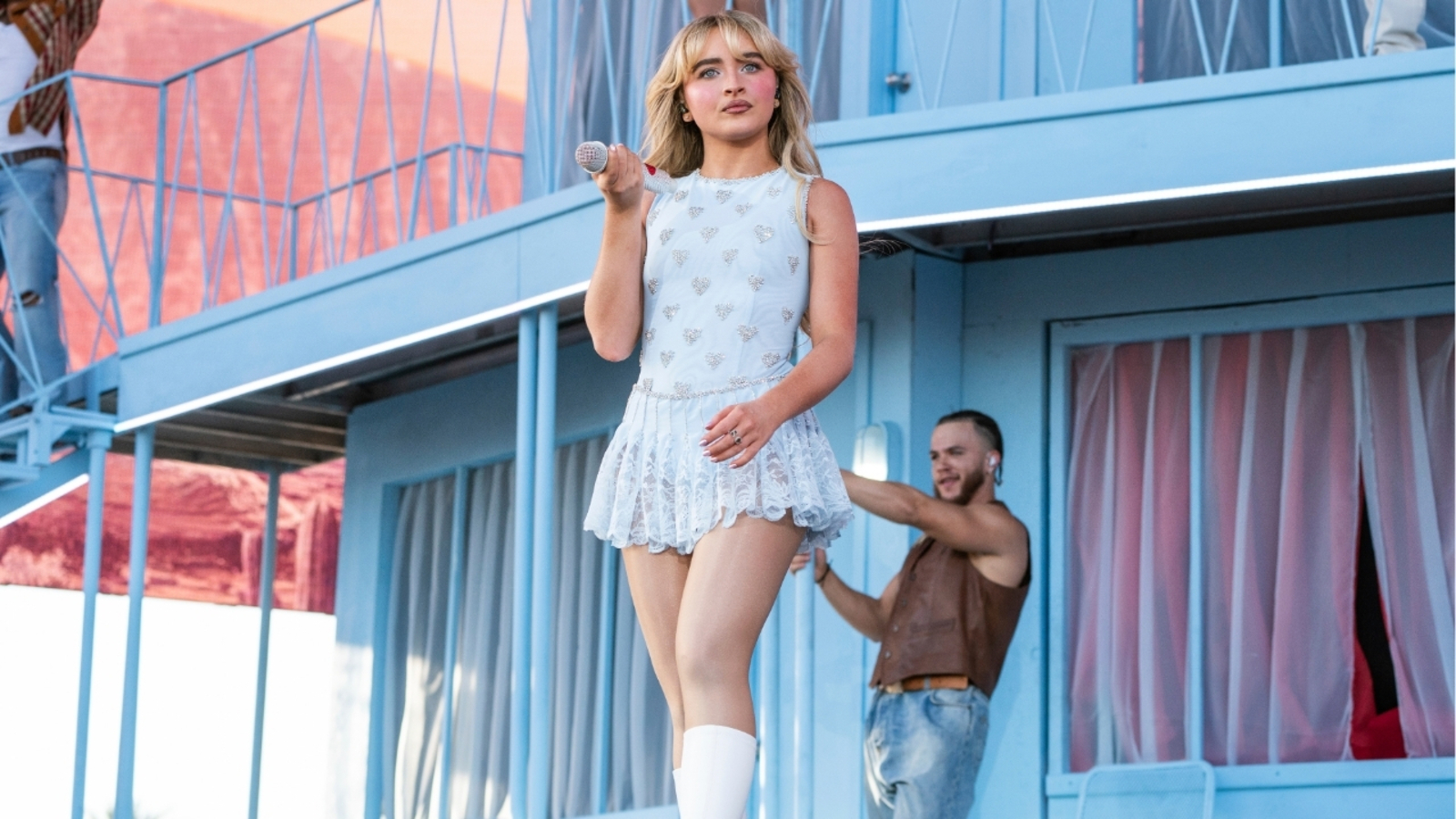
The White House faces backlash after using pop star Sabrina Carpenter‘s song “Juno” in a video that portrays law enforcement apprehending individuals in immigration-related actions. Carpenter responded sharply, labeling the video as “evil and disgusting” and firmly stating, “Do not ever involve me or my music to benefit your inhumane agenda.” This statement was shared on her social media account on X.
In a further escalation, a representative for Carpenter directed inquiries to her social media post when contacted for additional comments. During her concert tours, Carpenter playfully engages with her audience by staging mock “arrests” while performing “Juno,” adding a contrasting tone to the serious nature of the White House’s use of her music.
White House Responds with Defiance
The White House did not shy away from the controversy, using Carpenter’s own lyrics in a statement that defended their actions. Abigail Jackson, a spokesperson for the White House, stated, “Here’s a Short n’ Sweet message for Sabrina Carpenter: we won’t apologize for deporting dangerous criminal illegal murderers, rapists, and pedophiles from our country. Anyone who would defend these sick monsters must be stupid, or is it slow?” This response has intensified discussions regarding the appropriateness of the video, which remains accessible on platforms like X and TikTok.
This incident is not isolated. Previously, the Trump administration has faced criticism for using artists’ songs without consent. Olivia Rodrigo, another prominent artist, experienced a similar situation when her song “All-American Bitch” was featured in a Department of Homeland Security video. Following backlash, the media for her song was disabled on Instagram, although it still appears on X. Rodrigo vocally criticized the use of her work, stating, “Don’t ever use my songs to promote your racist, hateful propaganda.”
History of Controversial Uses of Music
The White House’s social media accounts have also engaged in other contentious uses of music. A video featuring President Donald Trump and the song “Hey Daddy (Daddy’s Home)” by Usher was posted, referencing a comment made by Mark Rutte, NATO Secretary General. This content was later disabled following a copyright complaint.
In addition, a video posted last month used Taylor Swift‘s song “The Fate of Ophelia” alongside images of Trump administration officials. Despite past personal attacks from Trump, Swift has not publicly commented on the use of her song.
Other notable artists such as Celine Dion, Bruce Springsteen, Beyoncé, and the Foo Fighters have similarly objected to the use of their music by the Trump administration over the years.
The ongoing disputes regarding the use of artists’ songs by political entities raise questions about artistic consent and the potential exploitation of music for political messaging. As the situation develops, it remains to be seen how both Carpenter and the White House will navigate this contentious landscape.