








































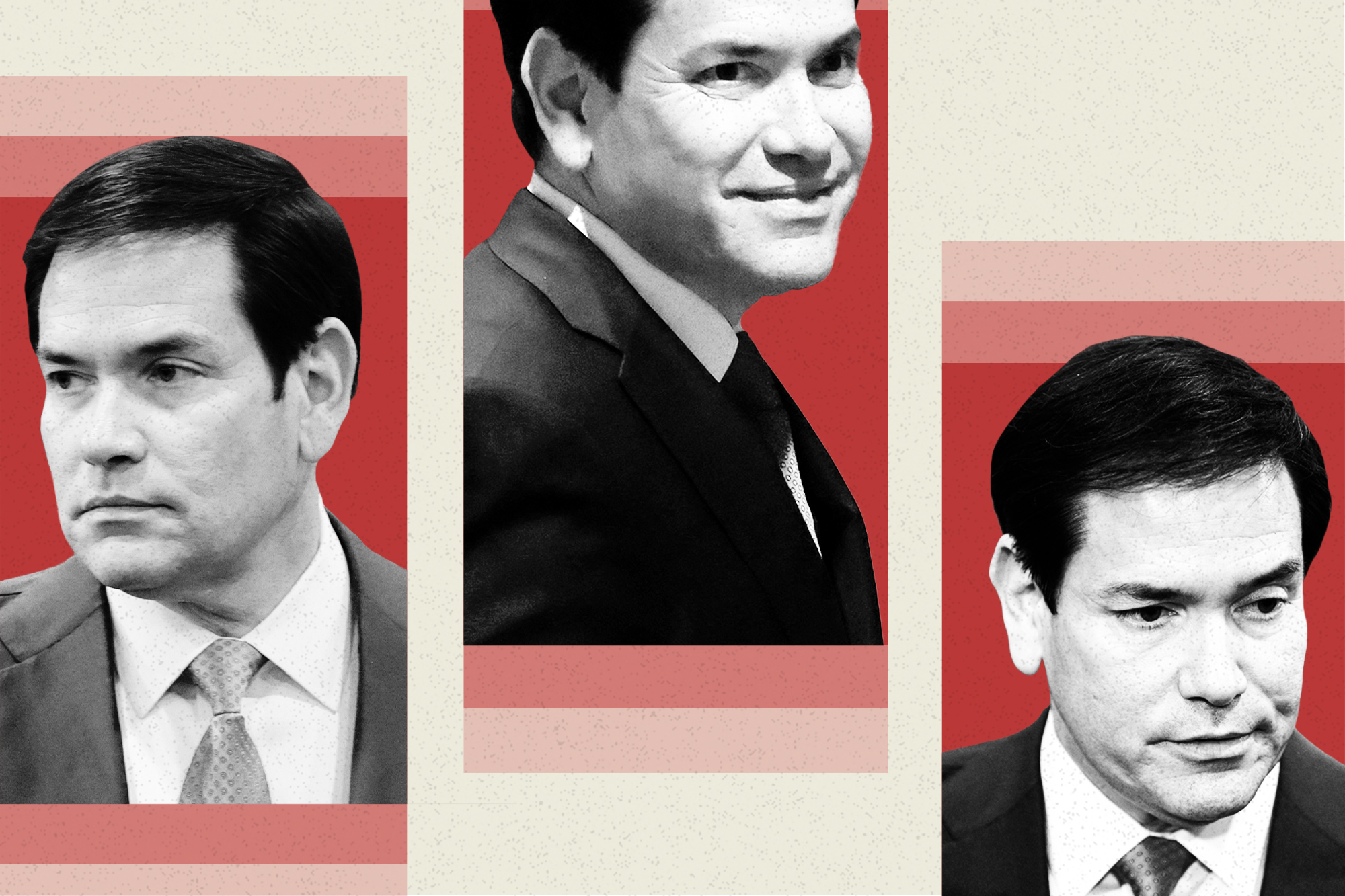
Marco Rubio, the United States Secretary of State, has indicated that he may not pursue a presidential run in 2028. This shift in his political aspirations comes as he navigates complex foreign policy issues, particularly concerning Venezuela. While his private signals suggest a retreat from the race, this is not the first time Rubio has altered his stance on such matters.
Despite recent speculation regarding his candidacy, Rubio’s focus appears increasingly directed toward stabilizing relations with Venezuela. The country’s ongoing political turmoil, marked by humanitarian crises and economic collapse, places Rubio at the forefront of discussions on international interventions and diplomatic strategies. His ability to address these challenges could significantly influence his political future and shape perceptions of his leadership capabilities.
Shifts in Political Landscape
The political landscape in the United States is evolving, particularly within the Republican Party. As the 2028 presidential election approaches, Rubio’s potential candidacy would be shaped by both domestic and international factors. His experience as a senator and previous presidential candidate offers him a platform, but it also raises questions about his readiness to engage in a highly competitive primary process.
Rubio’s historical ties to Venezuelan issues were forged during his time in the Senate, where he championed human rights and called for action against the regime of Nicolás Maduro. His recent focus on Venezuela reflects a broader trend among U.S. politicians aiming to address global human rights violations. This involvement might enhance his profile among voters who prioritize foreign policy.
Navigating this terrain is fraught with risks. The political ramifications of supporting interventionist policies could alienate some Republican voters who advocate for a more isolationist approach. Moreover, the evolving dynamics within the party could lead to challenges from other potential candidates who may seek to establish their own foreign policy credentials.
Implications of Leadership Decisions
Rubio’s decisions regarding his political future will likely be influenced by external events, particularly developments in Venezuela. As the situation continues to deteriorate, with reports of increased violence and political repression, the U.S. administration’s response is under scrutiny. A robust response could enhance Rubio’s standing among voters concerned about international humanitarian issues.
The Secretary of State’s willingness to engage in these discussions also highlights the delicate balance politicians must strike between domestic priorities and global responsibilities. As he weighs his options for 2028, Rubio must consider how his actions related to Venezuela will resonate with constituents back home.
Ultimately, Rubio’s potential presidential bid remains uncertain. His recent signals suggest a retreat, yet his previous history of changing his mind indicates that he may still consider the possibility as political conditions evolve. For now, all eyes remain on both Washington D.C. and Venezuela, as the outcomes in these spheres could significantly impact the future of U.S. leadership in the years to come.
























