








































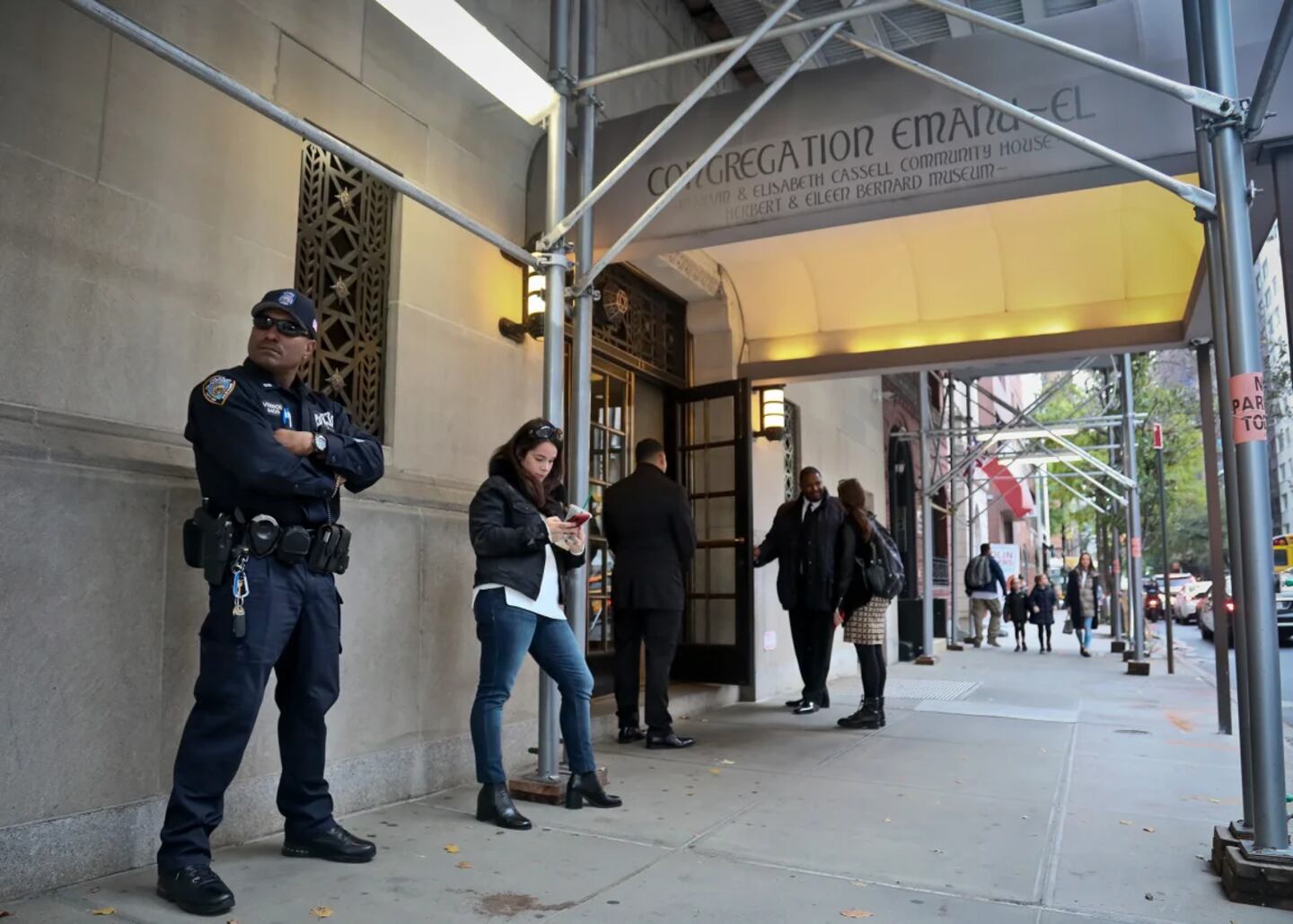
The safety of Jewish communities in the United States is increasingly under scrutiny as antisemitic incidents rise sharply. This concern reflects a stark contrast to the historical context of Jewish life in America, where a sense of security and acceptance was once prevalent. The change in sentiment has prompted discussions about the future of Jewish safety, particularly in places of worship.
During a visit to Germany in 1996, security measures at synagogues and Jewish sites were immediately noticeable. Armed guards and metal detectors were standard procedures, a reality that was foreign to many American Jews at the time. Fast forward to a trip to Guatemala City in 2003, where even tighter security protocols required advance registration for synagogue entry, including the submission of a passport. Such stringent measures were largely unheard of in the United States then, leading many to believe that American Jews were insulated from similar threats.
Historically, the United States has been seen as a haven for Jews, with a culture deeply rooted in Judeo-Christian values. The nation’s founders drew upon Hebrew scriptures, regarding their journey as akin to that of the Israelites. This connection fostered a sense of belonging for Jewish communities, allowing them to thrive alongside their Christian counterparts. The post-World War II era has often been characterized as a golden age for American Jews, where acceptance and goodwill flourished.
Yet, the current landscape presents a different reality. Antisemitism is becoming normalized, with Jewish institutions now investing heavily in security measures. According to the Federal Bureau of Investigation (FBI), Jews, despite representing only 2 percent of the U.S. population, are more likely to be victims of hate crimes than any other minority group. Incidents involving antisemitic mobs and a surge in Holocaust denial rhetoric on social media further exacerbate the fear within these communities.
Rev. Daniel Joslyn‐Siemiatkoski, an Episcopal priest and director of the Center for Christian‐Jewish Learning at Boston College, articulated this growing concern in a message shared just before Christmas. He highlighted the contrasting experiences of Jews and Christians in their places of worship, urging Christians to acknowledge the heightened anxiety Jews face. His call to action emphasizes that Jewish fears are not mere paranoia, but a legitimate response to current societal climates.
Joslyn‐Siemiatkoski’s plea resonates deeply, as he challenges Christian communities to move beyond passive sympathy. He advocates for active support and solidarity with Jewish neighbors, framing this as a moral obligation rather than optional allyship. His words underscore the urgent need for Christian communities to stand against antisemitism and to recognize that silence in the face of such hatred is unacceptable.
The rise of antisemitism in America raises critical questions about the future of Jewish safety and the solidarity of Christian allies. As societal tensions escalate, the hope remains that the historical bonds between these communities can be reinforced, ensuring a safer environment for all. The message from leaders like Joslyn‐Siemiatkoski serves as a reminder that understanding, compassion, and action are essential components in confronting the challenges ahead.
























