








































Supporters are advocating for a memorial to honor Thomas Paine in Washington, D.C., a significant recognition for the influential writer whose works played a crucial role in the American Revolutionary War. A law passed in 2022 authorized the establishment of this tribute, which now awaits approval from the U.S. Department of the Interior.
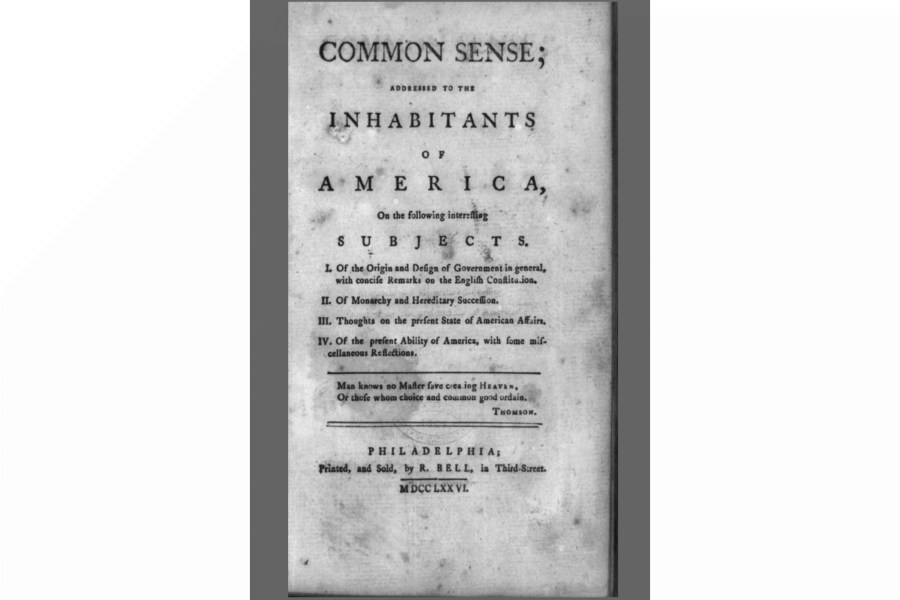
The proposed memorial would serve as a landmark dedicated to Paine, best known for his pamphlet Common Sense, published in 1776. This groundbreaking work effectively galvanized public opinion and encouraged the thirteen colonies to pursue independence from British rule. Paine’s writings not only inspired revolutionary thought but also laid the intellectual groundwork for democratic principles that resonate to this day.
Advocates for the memorial emphasize that recognizing Paine is essential for understanding the foundational ideas that shaped the United States. They argue that his contributions often remain overshadowed in discussions surrounding the nation’s history. As supporters rally for the project, they highlight the importance of commemorating figures who championed freedom and equality.
The memorial’s approval process involves careful deliberation by the Department of the Interior, which takes into account several factors including historical significance, public interest, and overall impact on the community. Given the rich legacy of Thomas Paine, many believe that the memorial would not only serve as a tribute to his life but also as an educational resource for future generations.
Efforts to establish the memorial have garnered attention from both local residents and national organizations. Public support is growing, with petitions circulating to gather signatures in favor of the project. Many view this initiative as a necessary step in honoring a key figure in American history, whose ideas extended beyond the revolution to influence democratic movements globally.
As the process unfolds, proponents remain hopeful that the memorial will be approved and constructed in a timely manner. They envision a site that not only commemorates Paine but also inspires dialogue about the values he championed.
The campaign for the Thomas Paine memorial underscores a broader movement to acknowledge diverse contributions to the nation’s history. As discussions continue, many await a decision from the U.S. Department of the Interior that could lead to a lasting tribute to one of the Founding Fathers of American democracy.
























