








































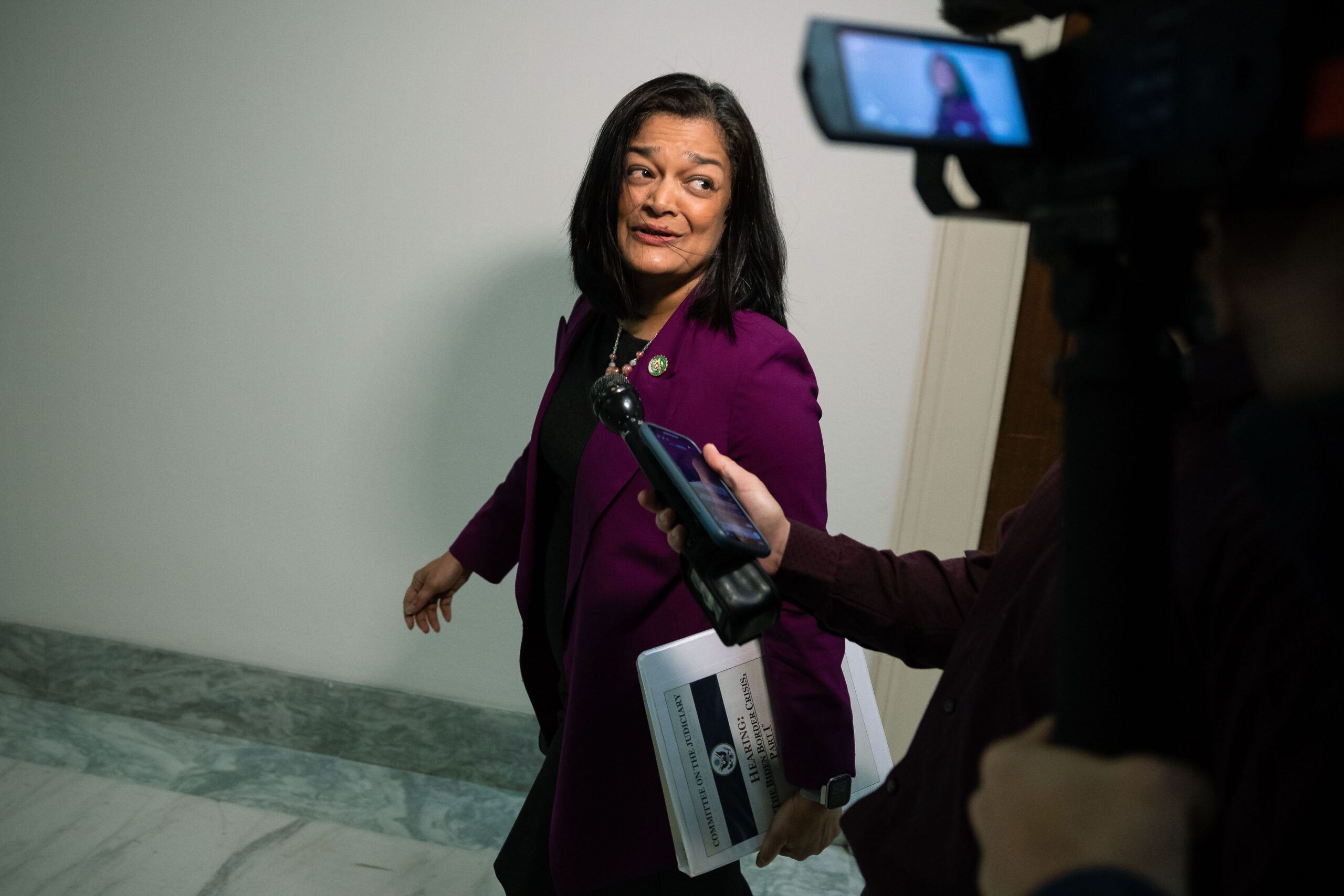
Pramila Jayapal, a Democrat from Washington, is set to brief her colleagues in the House Democratic Caucus on the latest polling regarding Medicare for All. This presentation is scheduled for early 2026. The findings aim to provide insights that could shape the party’s approach to healthcare reform in the upcoming legislative sessions.
The push for universal healthcare has gained significant traction within the Democratic Party, particularly among progressive members. Jayapal’s initiative reflects a broader commitment to advancing policies that prioritize accessible and affordable healthcare. Her briefing is expected to highlight public sentiment surrounding Medicare for All, which has remained a contentious topic in American politics.
Polling data suggests that there is substantial support among voters for Medicare for All, with recent surveys indicating that approximately 70% of respondents favor the idea. Jayapal’s efforts will likely focus on translating this support into actionable legislative proposals that can garner backing from a wider range of Democratic lawmakers.
Context and Implications for Healthcare Policy
The healthcare landscape in the United States has been a focal point of debate, particularly as the nation continues to grapple with the impacts of the COVID-19 pandemic. The findings from Jayapal’s polling could serve as a catalyst for renewed discussions on healthcare accessibility and affordability.
By presenting these findings to her colleagues, Jayapal aims to reinforce the importance of healthcare reform, especially in the context of the upcoming elections. The Democratic Party faces pressure to present a unified stance on healthcare, an issue that resonates deeply with voters across various demographics.
As the 2026 elections approach, the implications of this briefing extend beyond party lines. With healthcare being a pivotal issue for many voters, Jayapal’s insights may influence not only Democratic strategies but also the conversations that Republicans and independents have around healthcare policies.
The outcome of these discussions could have lasting effects on the legislative agenda and may define the party’s platform heading into the elections. As healthcare remains a priority for many Americans, Jayapal’s presentation will likely be closely watched by both supporters and opponents of Medicare for All.
In summary, Pramila Jayapal’s forthcoming briefing on Medicare for All polling could mark a significant moment in the ongoing dialogue about healthcare reform in the United States. The data she presents may not only inform party strategy but could also shape public perception and voter engagement as the country moves closer to the next election cycle.
























