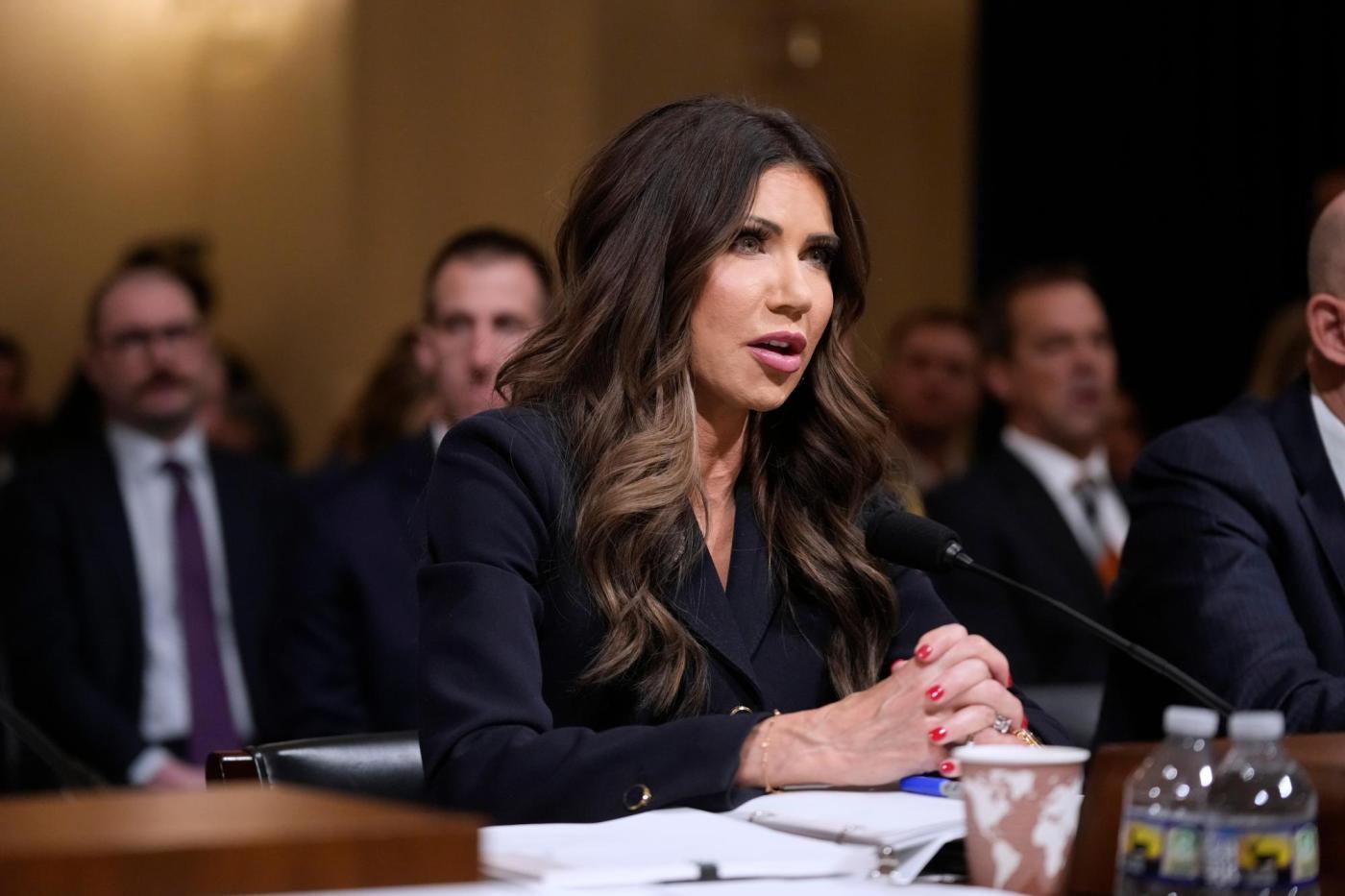
U.S. Homeland Security Secretary Kristi Noem stated on March 7, 2024, that the recent seizure of an oil tanker off the coast of Venezuela is a direct result of the Trump administration’s counterdrug efforts in Latin America. This announcement comes amid rising tensions with the government of President Nicolás Maduro, who has been charged with narcoterrorism in the United States.
Details of the Seizure
Noem provided this assessment during her testimony before the House Homeland Security Committee, marking the administration’s most comprehensive explanation for the vessel’s seizure on March 6, 2024. The operation, described as “incredibly unusual,” involved the deployment of U.S. forces to take control of a merchant ship, reflecting a heightened pressure campaign against Maduro’s regime.
Addressing the committee, Noem characterized the tanker seizure as “a successful operation directed by the president.” She emphasized that the action aims to combat a regime that is “systematically covering and flooding our country with deadly drugs,” claiming it prevents lethal doses of cocaine from entering the United States.
Government Response and Implications
During a press briefing at the White House, President Donald Trump reiterated the rationale behind the seizure, stating, “The tanker was seized for a very good reason.” When questioned about the oil aboard the tanker, Trump responded, “Well, we keep it, I guess.”
The U.S. has significantly increased its military presence in the region, launching a series of operations targeting alleged drug-smuggling boats in the Caribbean Sea and eastern Pacific Ocean. This aggressive strategy is facing scrutiny from Congress as lawmakers assess the implications of such military actions in international waters.
Trump has indicated that further land-based attacks are forthcoming, asserting that these measures are essential to curbing the influx of fentanyl and other illegal drugs into the United States.
In contrast, the Venezuelan government condemned the seizure, labeling it as “a blatant theft and an act of international piracy.” Maduro has argued that the underlying purpose of U.S. military operations is to destabilize his government and force him from office.
The situation continues to evolve as the U.S. administration navigates its counterdrug strategies while managing complex international relations in the region. The implications of these actions, both domestically and abroad, are likely to resonate in future discussions regarding U.S. foreign policy and drug enforcement efforts.