








































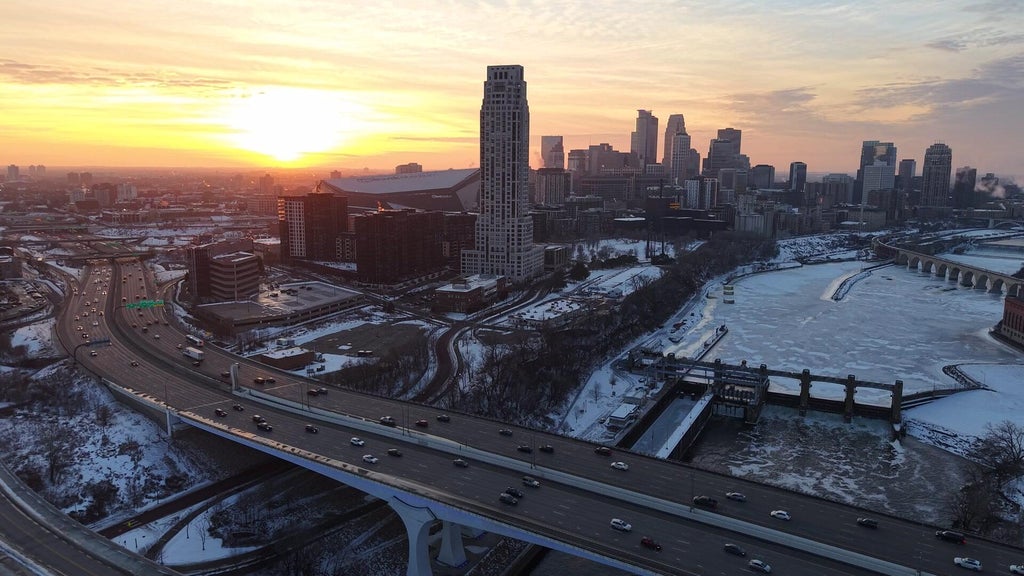
Minneapolis officials have enacted a new ordinance prohibiting the use of city-owned properties for federal immigration enforcement activities. This update, approved by the Minneapolis City Council and Mayor Jacob Frey earlier this month, specifically bans agents from the U.S. Immigration and Customs Enforcement (ICE) from utilizing city-owned lots and ramps as staging areas for operations.
The ordinance articulates that “no federal, state or local government entity or personnel is authorized to use any city-owned or city-controlled parking lot or ramp, vacant lot, or garage as a staging area, processing location, operations base, or any other similar use for enforcing federal immigration laws.” The detailed definition of a staging area encompasses locations used to assemble, mobilize, and deploy vehicles, equipment, and personnel for immigration enforcement purposes.
Reporting Requirements and Previous Actions
In addition to the ban, the updated ordinance mandates that Minneapolis officials report any involvement of public safety employees who assist federal officers in immigration investigations. These reports will be submitted to both the City Council and the mayor, aiming to increase transparency regarding local cooperation with federal immigration enforcement.
The ordinance builds on an executive order signed by Frey on December 3, 2023, which contained similar prohibitions. Both Minneapolis and neighboring St. Paul have established city ordinances that restrict cooperation with federal immigration enforcement. Despite these local measures, the state of Minnesota does not have an overarching law designating it as a “sanctuary state” for undocumented immigrants.
Recent ICE Operations and Community Response
ICE operations targeting Somali immigrants commenced in the Twin Cities earlier this month, according to reports from CBS News. Tricia McLaughlin, the assistant secretary of the Department of Homeland Security, stated on December 12 that her agents had “arrested more than 400 illegal aliens including pedophiles, rapists, and violent thugs” since the operations began. It remains unclear how many of those arrested are still in custody or have been moved to other locations.
In response to the immigration enforcement actions, thousands of demonstrators participated in a significant protest on Saturday, marching more than a mile along Minneapolis’ Lake Street corridor. This event reflected widespread community opposition to federal immigration enforcement efforts in the region, highlighting the ongoing tensions surrounding immigration policy and local governance.
As the situation evolves, the implications of Minneapolis’ ordinance may resonate beyond its city limits, potentially influencing similar legislative efforts in other jurisdictions.
























