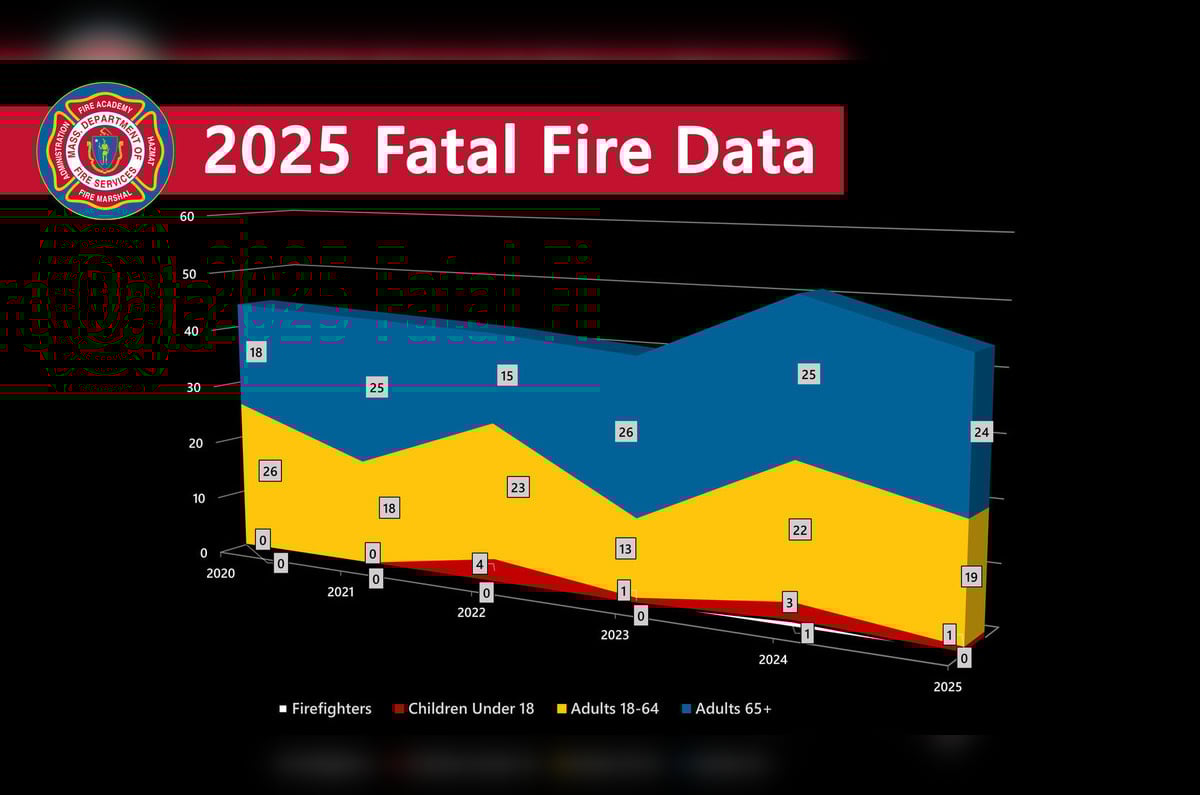
Fire fatalities in Massachusetts have decreased significantly in 2025, dropping by 12% compared to the previous year. A report from the Department of Fire Services revealed that there were 44 fire deaths across 30 fires, down from 50 deaths in 2024. This reduction aligns the state’s figures with the five-year average, highlighting progress in fire safety initiatives.
The report, presented by State Fire Marshal Jon M. Davine, indicated that most fire fatalities occurred in residential settings, particularly in single-family homes. A tragic incident at the Gabriel House Assisted Living facility in Fall River accounted for the highest number of deaths, claiming 10 lives. This event serves as a stark reminder of the vulnerabilities faced by certain populations, especially the elderly, who comprise approximately 17% of Massachusetts’ population but represented nearly 55% of all fire fatalities.
The data revealed that smoking materials were a leading cause or contributing factor in nearly half of the fatal fires, a trend that has persisted for years. Additionally, the report identified a troubling issue with non-operational smoke alarms, which were absent or malfunctioning in many homes where fire deaths occurred. Of the 40 residential fires that resulted in fatalities, only 16 homes had functioning smoke alarms, underscoring the critical need for improved safety measures.
Fire Safety Initiatives and Public Awareness
In response to these alarming statistics, the state has updated its Home Oxygen Fire Safety brochure, now available in multiple languages. This initiative aims to enhance public awareness and safety, particularly regarding the risks associated with medical oxygen, which poses significant hazards when combined with smoking materials.
The report also noted an unusual spike in fire fatalities in July, primarily attributed to the incident at Gabriel House. This marked July as an especially deadly month, contrasting with the historical trend of higher fatalities occurring during the winter months. November followed closely as the second deadliest month, with nine fatalities reported.
Further insights from the report highlighted the increased danger posed by fires occurring at night, with incidents spiking between 21:00 and 04:00. Marshal Davine emphasized the importance of functioning smoke alarms, particularly as modern construction materials and synthetic furnishings can exacerbate the speed and toxicity of fires.
Davine stated, “
Changes to building construction allow fires to grow and spread faster. Synthetic furnishings create deadly smoke and toxic gases as they burn. The US Fire Administration estimates that we have less time to escape a fire at home than ever before, so it’s vital to have working smoke alarms to alert us to the danger before it’s too late.
”
Despite the overall decline in fire deaths, the report serves as a reminder of the ongoing risks associated with residential fires. It underscores the need for preventive measures, such as the proper disposal of smoking materials and the maintenance of functional smoke alarms. The Department of Fire Services continues to advocate for fire safety education and infrastructure improvements to protect the residents of Massachusetts.