








































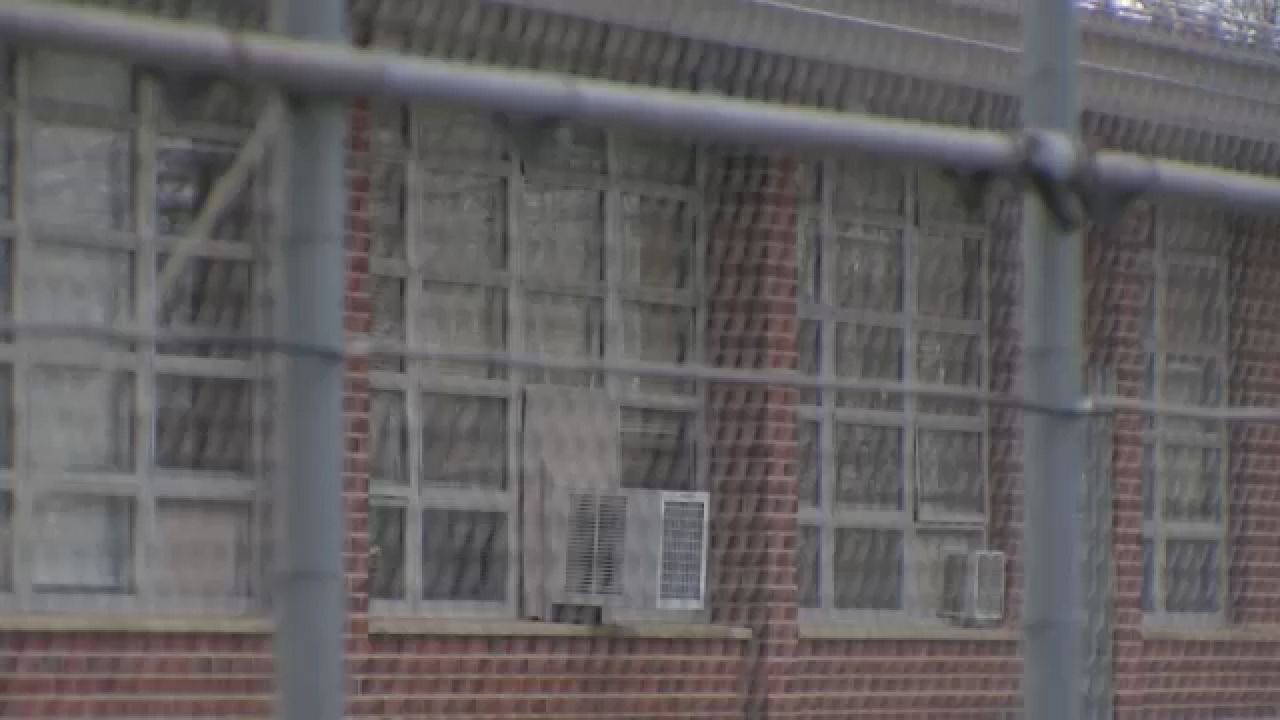
A class action lawsuit has been filed against the New York State Office of Children and Family Services (OCFS) alleging that children as young as 12 are subjected to solitary confinement in secure placement facilities. The lawsuit, submitted last week, details the experiences of minors in five facilities across the state, including those located in Columbia, Orange, Cayuga, Monroe, and Tompkins counties.
According to the complaint, children are confined to cells for up to 24 hours a day without access to social interaction, educational opportunities, or even basic bathroom facilities. They are reportedly forced to use containers or bottles for sanitation. Lisa Freeman, an attorney with the Legal Aid Society and head of its special litigation and law reform unit in the juvenile rights practice, described the situation as “barbaric,” highlighting the psychological harm inflicted on these vulnerable young individuals.
Freeman noted that approximately 300 children are currently housed in these facilities. “The system is intended to be a rehabilitative system,” she stated. “Young people are extremely susceptible to rehabilitation, and isolating them is the absolute worst idea for treating them.”
The lawsuit contains accounts from several plaintiffs, some of whom expressed a preference for incarceration in adult facilities over the conditions they face in juvenile placements. Freeman shared that these experiences have led some children to develop suicidal thoughts and a diminished sense of self-worth. “They become so desperate and depressed due to the lack of mental stimulation and peer contact,” she explained.
The federal complaint alleges that solitary confinement is often utilized as a punishment or as a response to staffing shortages within the facilities. The OCFS has not disclosed specific staffing numbers but issued a statement acknowledging the lawsuit. They affirmed their commitment to reviewing the complaint thoroughly and responding through the appropriate legal channels.
“OCFS does not endorse or condone the use of isolation for punishment,” the agency stated. “We have clear protocols designed to ensure the safety of youth and staff, incorporating trauma-informed and mental health-responsive practices.”
Freeman emphasized the importance of ensuring adequate staffing levels to prevent the use of solitary confinement as a punitive measure. She argued that the rights of these children—protected under the 8th and 14th Amendments and, in some cases, the Americans with Disabilities Act—are being violated. Notably, around 60% of incarcerated children are reported to have some form of disability.
While the timeframe of the alleged misconduct remains unclear, attorneys representing the plaintiffs are hopeful for a constructive dialogue with the state to explore settlement options. The OCFS reiterated its commitment to examining the allegations and ensuring the well-being of all youth under its care.
This lawsuit raises critical questions about the treatment of minors in the juvenile justice system and the need for reforms that prioritize rehabilitation over punishment. As the case unfolds, its implications for the future of juvenile justice in New York could be significant.
























