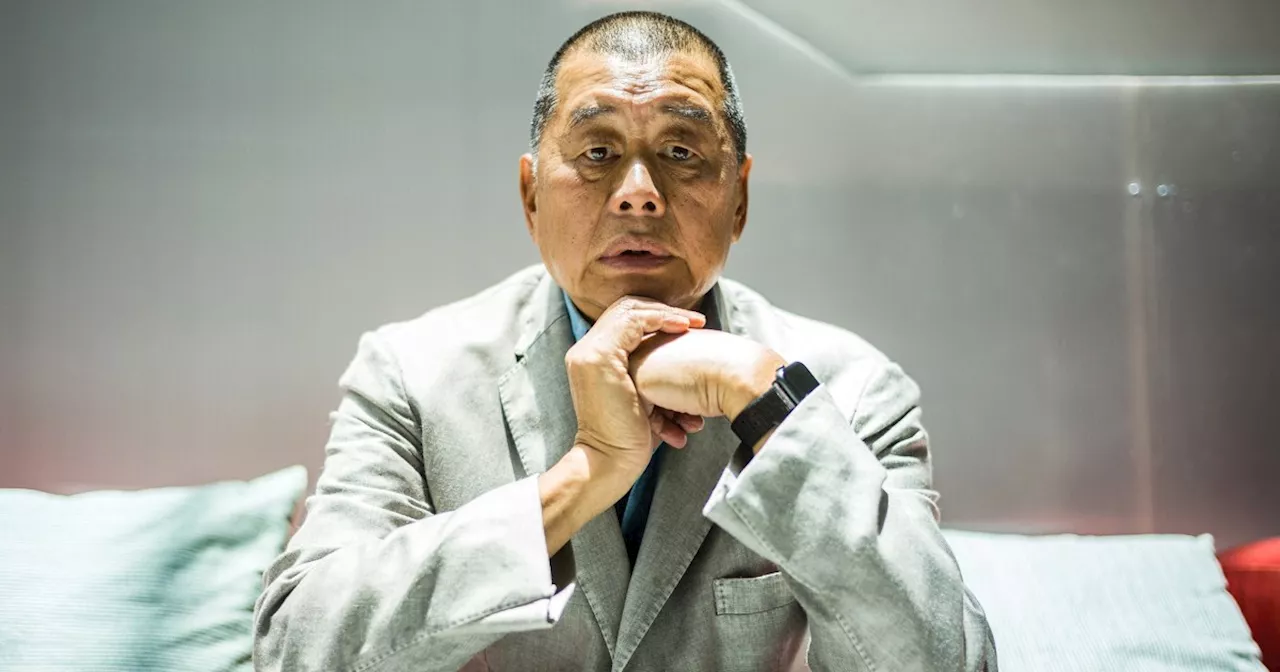
A Hong Kong court is poised to deliver a verdict in the high-profile national security trial of Jimmy Lai, a prominent pro-democracy activist and media entrepreneur. The ruling, which will take place at 10:00 a.m. local time, has attracted significant international attention, with many viewing it as a critical test of Hong Kong’s judicial independence and media freedom.
Lai, who has been a vocal critic of the Chinese government, was arrested in 2020 shortly after the introduction of a stringent national security law. This legislation was enacted in response to widespread anti-government protests in 2019. He faces charges of colluding with foreign forces and conspiracy to publish seditious materials, which stem from both the national security law and colonial-era legislation.
The High Court trial has lasted 156 days and was overseen by judges selected specifically for national security cases. If convicted, Lai could face a life sentence. His case has drawn condemnation from Western governments and human rights organizations, which argue that the proceedings are politically motivated. Both the United States and United Kingdom have called for his release, with former President Donald Trump publicly expressing support for Lai and warning against interference in Hong Kong’s affairs.
The trial is seen as emblematic of the broader crackdown on dissent in Hong Kong, where many pro-democracy figures have been imprisoned, fled the city, or ceased political activity. Lai has spent nearly five years in solitary confinement since his arrest, during which he has faced multiple convictions for unrelated charges, including unauthorized assembly and fraud. His family has voiced concerns regarding his health, as he suffers from diabetes, high blood pressure, and heart palpitations.
According to the Hong Kong government, Lai has received “adequate and comprehensive” medical care while in custody. They have also stated that his separation from other prisoners is a measure taken at his request to ensure his safety. Prosecutors allege that Lai orchestrated a campaign to persuade foreign governments to impose sanctions on China and Hong Kong, citing meetings he had with U.S. officials, including then-Vice President Mike Pence, during the 2019 protests.
Lai has maintained his innocence, asserting that he did not seek to influence foreign policy but rather aimed to provide factual commentary through his now-defunct publication, Apple Daily. During his testimony, he spent 52 days on the stand, contesting the prosecution’s claims.
John Burns, an expert in Chinese politics at the University of Hong Kong, expressed uncertainty about the implications of Lai’s potential conviction for press freedom in the city. He noted that while this case is significant, other recent trials have had even greater repercussions for human rights in Hong Kong. Notably, these include the convictions of two journalists from the now-closed Stand News and the subversion charges against pro-democracy figures involved in an unofficial primary election.
Dissent in Hong Kong has been severely curtailed under the national security law, which has been described by officials as necessary to restore order following the unrest of 2019. The recent disbandment of the Democratic Party, the city’s last major opposition party, signals an alarming trend, with members citing pressure from Chinese authorities. This disbandment comes just days after a legislative election conducted under new rules that require candidates to undergo national security vetting, further diminishing the political landscape.
The verdict in Lai’s case is anticipated not just for its immediate consequences but also for what it may signal about the future of civil liberties in Hong Kong. As the world watches, the implications of this ruling may extend far beyond the courtroom, influencing the ongoing narrative of governance and dissent in the region.