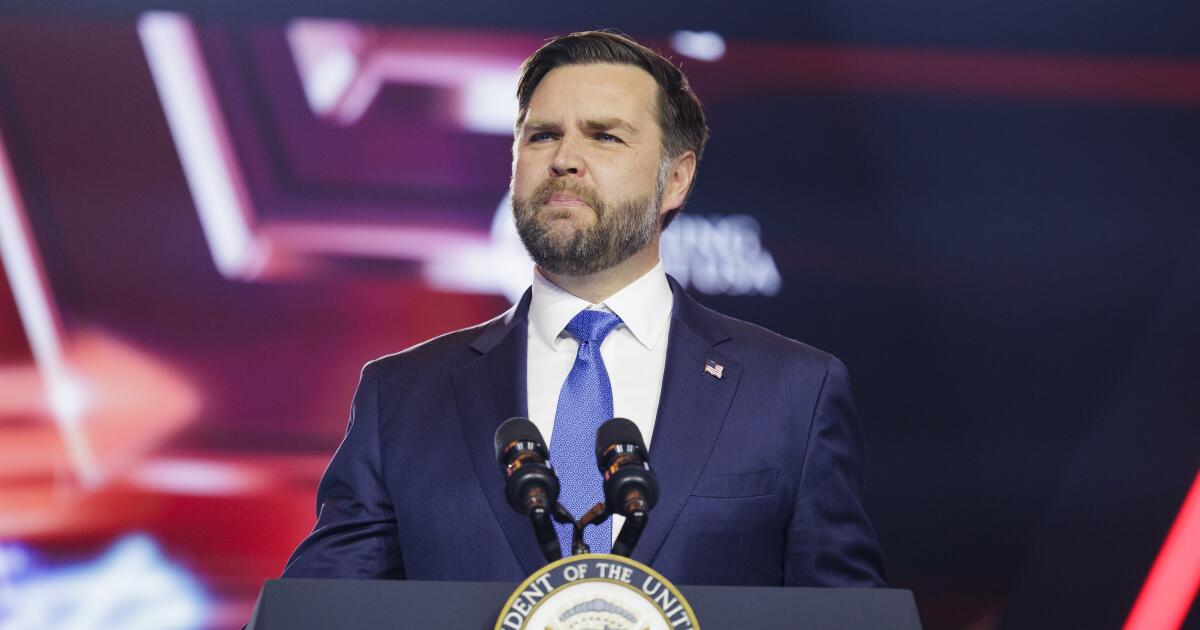
As the world transitions into 2025, the political landscape in the United States has been significantly shaped by five key trends that emerged throughout the year. The tumultuous political environment has been characterized by rising tensions, shifting allegiances, and economic challenges that have impacted voters’ perceptions and actions.
Trump’s Consolidation of Power and Internal Opposition
At the beginning of 2025, former President Donald Trump demonstrated a remarkable ability to consolidate power, often bypassing traditional institutions. His aggressive approach towards the mainstream media and elite educational establishments raised concerns about the implications for democratic norms. However, by summer, dissent began to surface even from within his own party. Notably, Rep. Marjorie Taylor Greene, a staunch Trump ally, publicly opposed him on critical issues, including military actions and the handling of sensitive information regarding the Epstein files.
As discontent grew among average citizens due to rising prices and stringent immigration policies, many began to question Trump’s narrative of an imaginary affordability crisis. The introduction of “reciprocal” tariffs that inflated costs for everyday goods, from coffee to alcohol, further alienated voters.
Democratic Resurgence Amid Economic Struggles
The economic pressures faced by voters became a focal point for the Democratic Party, which recognized that economic issues resonate more than ideological appeals. By autumn, the party capitalized on a government shutdown that highlighted the expiration of Affordable Care Act subsidies, resulting in heightened awareness of healthcare costs. This strategic move contributed to a surprisingly strong performance in the November off-year elections, suggesting that Democrats were reclaiming some political momentum.
Despite these gains, the path forward remains challenging. Voters’ trust in economic messaging will be crucial as the party seeks to leverage its newfound strength against a backdrop of rising costs and unemployment.
Shifting Republican Dynamics and the Rise of JD Vance
As 2025 progressed, a noticeable shift occurred within the Republican Party. With Trump’s influence beginning to wane, attention turned to potential successors. JD Vance, a prominent figure within the party, emerged as a leading contender for the Republican nomination. This shift was underscored by a revealing interview with Trump’s Chief of Staff, Susie Wiles, where Marco Rubio explicitly stated he would not run for president in 2028 if Vance decides to enter the race.
The implications of Vance’s rising status are profound, yet they come with complications. The tragic murder of conservative influencer Charlie Kirk in September 2025 left a leadership vacuum on the right, which has been increasingly filled by more extreme factions. This has amplified the voices of conspiratorial figures who challenge Vance’s moderate stances, creating a complex environment for his political ambitions.
The Influence of Extremism and Future Challenges
The emergence of a more radical segment within the Republican base has made Vance’s journey to the nomination potentially fraught with difficulties. Influential figures like white nationalist Nick Fuentes have openly criticized Vance, particularly targeting his personal life and marriage to an Indian American woman. To navigate this delicate landscape, Vance may feel pressured to bolster his right-wing credentials, a challenging task given his own background.
Despite the unexpected challenges, the evolving political narrative in 2025 indicates a transitional year rather than one of clear triumph. As voters begin to assert their economic concerns and demand accountability, the political dynamics appear to be shifting away from Trump’s previously unchallenged dominance.
In conclusion, while 2025 has not brought a definitive resolution to the ongoing political turmoil, it has set the stage for significant developments in the years to come. As the nation looks ahead, the potential for change remains ever-present, underscoring the unpredictable nature of American politics.