








































Family members and legal representatives of Leqaa Kordia, a 33-year-old Palestinian woman, are urgently seeking answers following her hospitalization after a medical incident at the Prairieland Detention Center in North Texas. Kordia was admitted to a hospital on March 1, 2025, after suffering a seizure, prompting concerns about the conditions under which she has been held by Immigration and Customs Enforcement (ICE) for nearly a year.
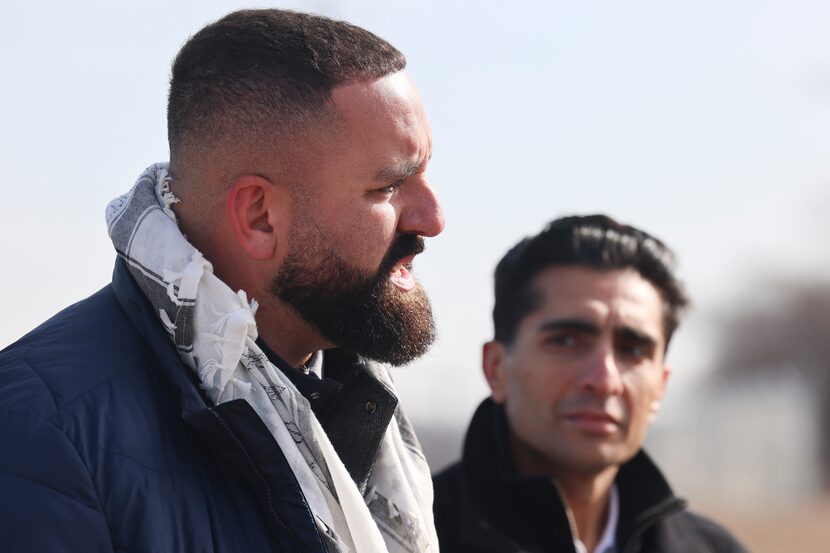
Two Texas lawmakers, State Rep. Salman Bhojani and State Rep. Gene Wu, have voiced their alarm regarding Kordia’s deteriorating health. Bhojani criticized the detention facility as “a black box,” emphasizing the lack of transparency surrounding Kordia’s situation. He expressed his concerns about the delayed confirmation of her hospitalization, which took nearly 24 hours for her legal team to verify. “She’s not been getting proper nutrition, it seems, and not getting proper sleep,” Bhojani stated, underscoring the need for accountability and transparency in handling detainees’ rights.
Kordia’s legal team is engaged in a federal lawsuit arguing that her detention stems from her participation in a pro-Palestinian protest near Columbia University in 2024. The federal government contends her arrest relates to an alleged violation of her student visa, which reportedly lapsed due to a lack of attendance. In April 2024, the Department of Homeland Security clarified that Kordia’s arrest was not motivated by her activism.
The circumstances surrounding Kordia’s hospitalization have raised serious concerns among her family and supporters. Her cousin, Hamzah Abushaban, learned of the incident from another detainee who reported that Kordia fell and struck her head in the bathroom. Correspondence from ICE, reviewed by The Dallas Morning News, confirmed her hospitalization, but family members struggled to obtain immediate details about her condition or whereabouts.
Attorneys representing Kordia faced significant challenges in locating her, as they contacted 16 hospitals in the Dallas-Fort Worth area, all of which reported she was not admitted. “We’re pretty despairing,” said Sarah Sherman-Stokes, an attorney with the Boston University School of Law Immigrants Rights Clinic. The legal team’s frustration reflects ongoing concerns about the treatment of detainees in ICE facilities.
Abushaban described Kordia’s health as having declined significantly during her time in detention, citing overcrowded conditions and inadequate nutrition. “The detention center is crowded, food is not nutritious, and there are limited accommodations for prayer and halal food,” he noted. A report from a 2025 U.S. Senate investigation highlighted systemic issues, including medical neglect and poor living conditions prevalent in immigration detention centers nationwide.
During a recent visit, Kordia expressed feeling too weak to hold a phone, prompting Abushaban to voice his alarm. “She was lifeless,” he recalled. “She told me that she literally feels like she’s slowly dying.” Abushaban emphasized that Kordia is not known to have health issues, and her current condition is alarming, particularly in light of her previous energetic demeanor.
Kordia entered the United States legally in 2016 from the West Bank, initially on a tourist visa before transitioning to a student visa. According to her habeas corpus petition, she was granted a green card in 2021. However, erroneous legal advice led to the termination of her student visa in January 2022, which precipitated her detention in March 2025, shortly after the arrest of another activist involved in similar protests.
Despite a federal magistrate judge recommending her release while her case is pending, a federal district judge mandated further fact-finding. A federal immigration judge had previously approved her release on bond twice, but the government has appealed, resulting in continued detention. Activists have rallied for Kordia’s release, displaying signs at court hearings advocating for her freedom.
Legal representatives, including Naz Ahmad from the City University of New York School of Law, have expressed the urgency of the situation. “It should not take 12+ hours and multiple, concerted efforts to simply receive news about whether a loved one or a client in ICE detention is receiving urgent medical attention,” Ahmad stated, highlighting the lack of communication and transparency in such cases.
The experience of Kordia and her family underscores broader issues within the immigration detention system, which has been criticized for its treatment of detainees. Golnaz Fakhimi, legal director of Muslim Advocates, remarked on the systemic cruelty faced by individuals in detention, noting that urgent medical needs often go unaddressed.
As Kordia’s family continues to seek clarity regarding her health and legal status, the case reflects deep concerns about the treatment of individuals in immigration custody and the urgent need for reforms. Abushaban expressed the emotional toll of witnessing his cousin’s decline, stating, “Her body finally giving up on her at the hands of our government is the most bizarre thing to think about.”
























