








































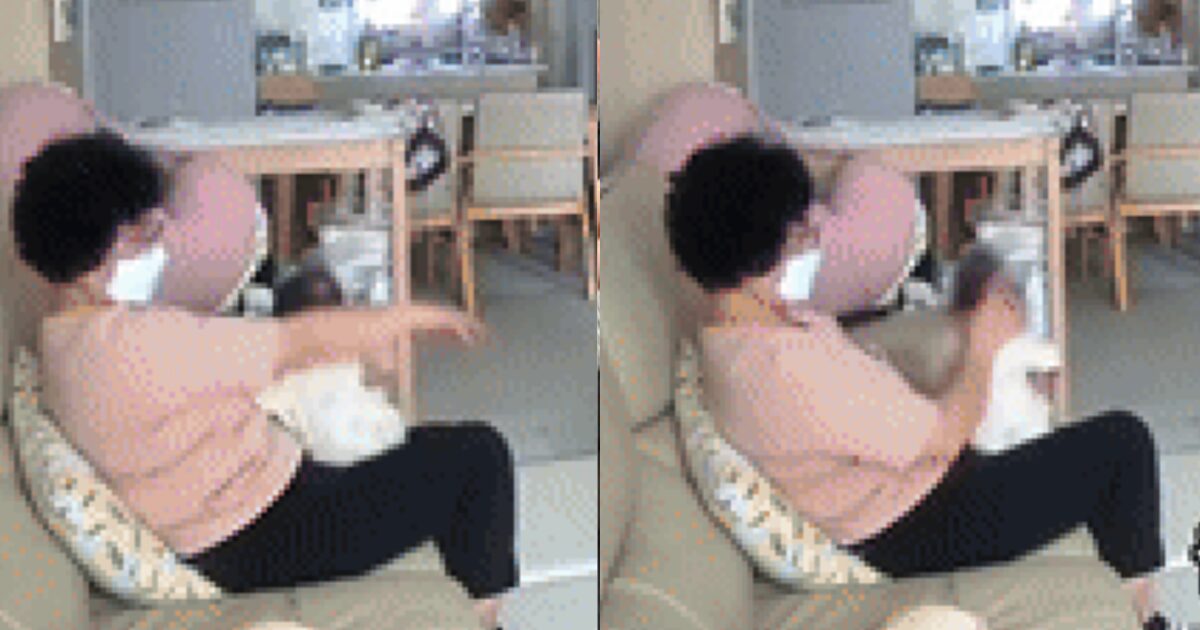
Horrific footage of a caregiver assaulting a one-month-old infant has ignited outrage among South Korean netizens. The video, recorded by a home security camera in **October 2022**, shows an older caregiver slapping the infant on the cheek multiple times and violently shaking the baby from side to side. The infant’s head appears to loll helplessly as the caregiver continues her aggressive actions.
The incident occurred in **Daegu**, South Korea, and had initially been reported by local media. However, the resurfacing of the video has prompted renewed public attention and condemnation. Reports indicate that the caregiver, who is in her 60s, has ten years of experience in infant care and previously worked as a kindergarten teacher. She also holds a government-issued certification for her profession.
The parents of the infant have expressed their dismay over the caregiver’s lack of remorse following the incident. They noted that rather than offering an apology, she has hired a lawyer and defended her actions by claiming that her handling of the child may have appeared harsh due to cultural differences stemming from her background in **Gyeongsang Province**. The parents decided to make the footage public again after learning about the caregiver’s response.
The video has sparked a wave of indignation online, with many viewers finding the footage too distressing to watch. It has also reignited discussions about the need for improved standards and regulations for caregivers of young children in South Korea. Currently, the country does not require national licensing for infant caregivers, a stark contrast to the licensing requirements for elderly caregivers. As a result, many professionals in this field complete private training programs and are often hired through agencies.
This incident highlights the pressing need for better oversight in the caregiving profession, as ongoing cases of abuse underline the vulnerabilities faced by infants in care. The parents, along with many advocates, are calling for reforms to ensure that caregivers are held to higher standards, emphasizing the necessity of protecting the most vulnerable members of society.
























