








































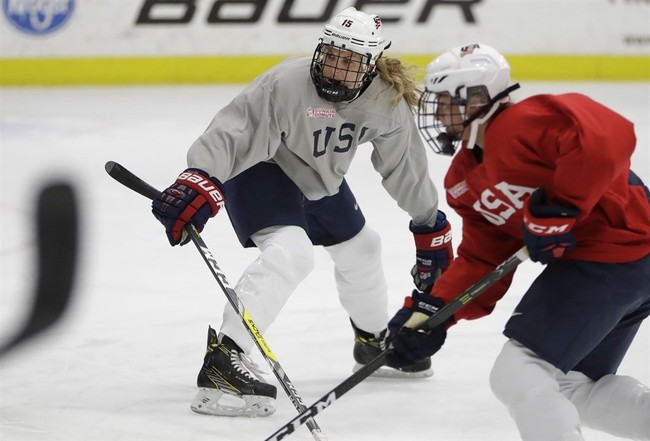
The significant salary disparity between women’s and men’s professional hockey leagues has ignited a heated debate among fans and commentators alike. The controversy centers around the Premier Hockey Federation League (PWHL), which recently faced criticism for not distributing millions from the National Hockey League (NHL) to its players. This comes as the women’s league, established just over two years ago, continues to struggle with financial viability.
In stark contrast to the NHL’s impressive $6 billion in revenue last season, the PWHL reported a loss of $50 million. The limited income streams have resulted in the league’s top players earning approximately $100,000, with average salaries around $58,000 and a minimum salary of $38,000. Comparatively, the NHL’s minimum salary is set at $775,000. This glaring difference has prompted discussions on social media, where many express frustration over the perceived inequity in pay.
Critics argue that the financial challenges faced by the PWHL stem from its relatively nascent status. With only eight teams and total attendance figures under 500,000, the league’s ability to attract sponsorships and generate revenue is limited. Supporters of women’s hockey are encouraged to increase viewership, buy merchandise, and engage with advertisers to bolster the league’s financial standing.
Some social media users have pointed out that the revenue disparity reflects broader economic principles, suggesting that consumer support is essential for a league’s growth. They emphasize that men’s sports tend to garner more financial backing due to higher attendance and merchandise sales. This has led to calls for women to actively support their sports leagues rather than voicing complaints online.
The ongoing debate has not only highlighted the financial aspects of sports but also the cultural dynamics at play. As the PWHL seeks to establish itself in a competitive market, the responsibility lies with fans to foster a supportive environment. Increased visibility and consistent attendance could pave the way for future growth and improved salaries for female athletes.
While the discussions surrounding salary inequalities in sports are not new, the PWHL’s situation underscores the unique challenges faced by emerging women’s leagues in a landscape dominated by male counterparts. As the league continues to develop, the hope remains that increased support from fans and stakeholders will lead to a more equitable future for female athletes in hockey and beyond.
























