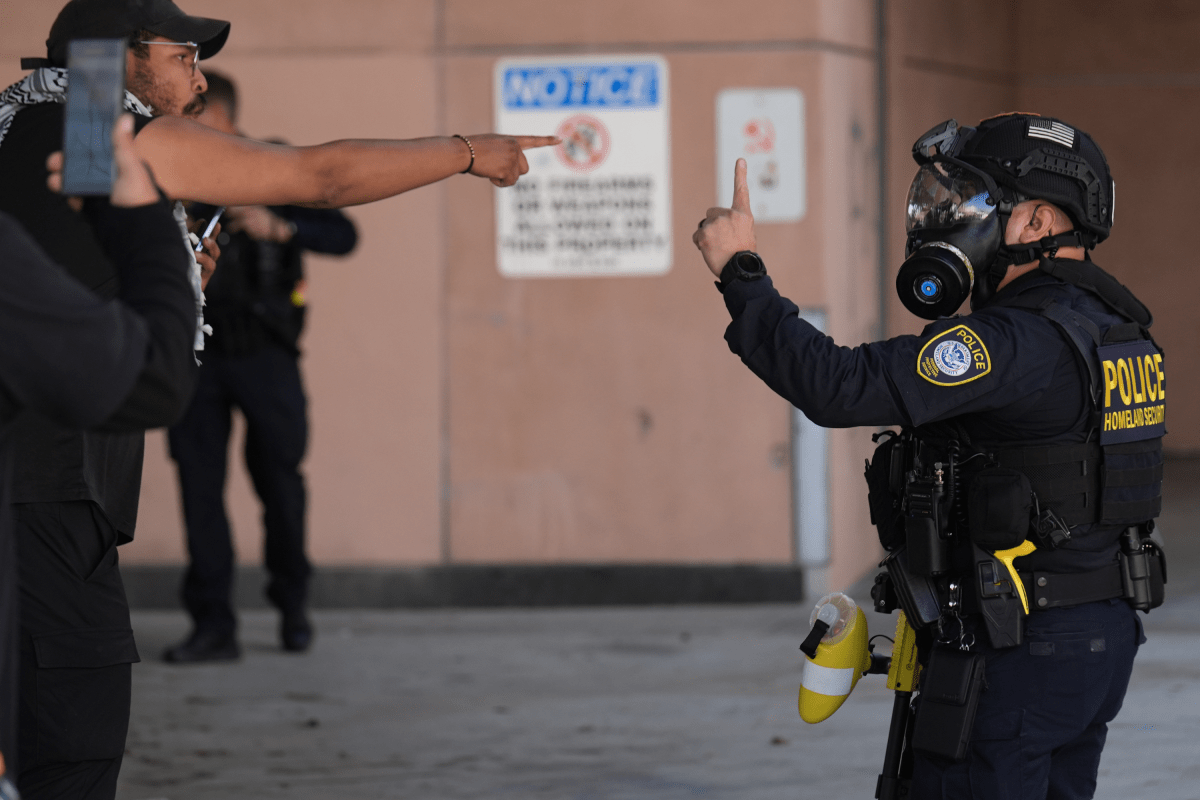
A new proposal in the U.S. Congress seeks to impose stricter regulations on the establishment of immigration detention and processing facilities by the U.S. Immigration and Customs Enforcement (ICE). The bipartisan initiative, known as the Respect for Local Communities Act, mandates federal approval from local and state authorities before ICE can open any new facilities. This legislative move addresses rising concerns regarding transparency and community involvement in decisions that significantly impact local populations.
Representative Chris Pappas and Senator Jeanne Shaheen, both from New Hampshire, introduced the legislation, which aims to enhance local oversight in the construction and operation of ICE facilities. Supporters assert that the bill reflects a growing dissatisfaction among communities where ICE has proceeded with plans without adequate consultation with local officials.
Key Provisions of the Proposal
The proposed legislation requires the Department of Homeland Security (DHS) to actively engage with local communities by soliciting public comments and obtaining written consent from relevant state and local officials before any new ICE processing site or detention center is established. Furthermore, DHS must notify congressional committees about any plans to open or expand such facilities.
The House version, titled H.R. 7652, stipulates that DHS must not advance its plans unless a comprehensive public comment process is implemented, a signed agreement with local authorities is secured, and Congress receives advance notification. This legislative effort, introduced on February 23, 2023, has been referred to the House Committee on the Judiciary for consideration.
Community Backlash and Legislative Response
The proposal emerges amid significant backlash from communities nationwide over reported plans by ICE to convert various warehouse sites into large-scale detention facilities. Local officials in Social Circle, Georgia, have voiced their frustrations following DHS’s recent purchase of an industrial warehouse intended for a new detention center. Similarly, residents in Merrimack, New Hampshire, have raised alarms about potential detention facilities, citing a lack of consultation from federal authorities.
Concerns raised by local leaders reflect a broader national issue, according to lawmakers backing the bill. They argue that while immigration enforcement falls under federal jurisdiction, the placement of large detention facilities can impose substantial burdens on local services and resources. The legislation does not outright ban new ICE facilities but empowers state and local officials to have a say in their approval or rejection.
Records indicate that ICE has already acquired at least seven warehouses across states including Arizona, Georgia, Maryland, Pennsylvania, and Texas for potential conversion into detention facilities. Although some planned acquisitions have fallen through, the federal agency’s efforts to expand its detention capacity are evident.
Reports suggest that federal immigration agencies are set to spend over $38 billion to acquire and convert warehouses nationwide into new immigration detention centers, capable of holding tens of thousands of detainees. Government documents reveal that DHS anticipates an expenditure of approximately $38.3 billion on this nationwide initiative, including an estimated $158 million for retrofitting a proposed facility in Merrimack and around $146 million for operational costs over the first three years.
Voices from the Community and Lawmakers
In a statement, Pappas emphasized the importance of local control and community safety: “Granite Staters want safe communities, accountable government, and local control. It is completely unacceptable for the Trump administration to continue to bypass local leaders throughout this process.”
Senator Shaheen echoed similar sentiments, expressing concerns about the lack of transparency in the establishment of new facilities. She stated, “Americans are justifiably concerned as DHS moves to open secretive facilities across the country to detain thousands of individuals at a time, with little transparency or regard for the communities they’re being located in.”
Other legislators, including Democratic Senator Maggie Hassan and Representative Maggie Goodlander, have also voiced strong opposition to the current plans, arguing that the lack of local input undermines public trust and threatens community safety. Goodlander described the federal efforts as a “dangerous and un-American overreach” by DHS that disregards local leaders and community needs.
Next Steps and Legislative Outlook
The Respect for Local Communities Act is now under consideration by congressional committees as lawmakers discuss DHS’s expansion plans and the balance of federal authority with local consent. Both the House and Senate bills will undergo review and potential amendments in their respective committees before moving to the floor for a vote. However, the proposal may face challenges in the Republican-controlled House and Senate, where significant bipartisan support will be necessary for advancement.
As the debate continues, the implications of this legislation could shape the future of immigration enforcement and community engagement across the United States.