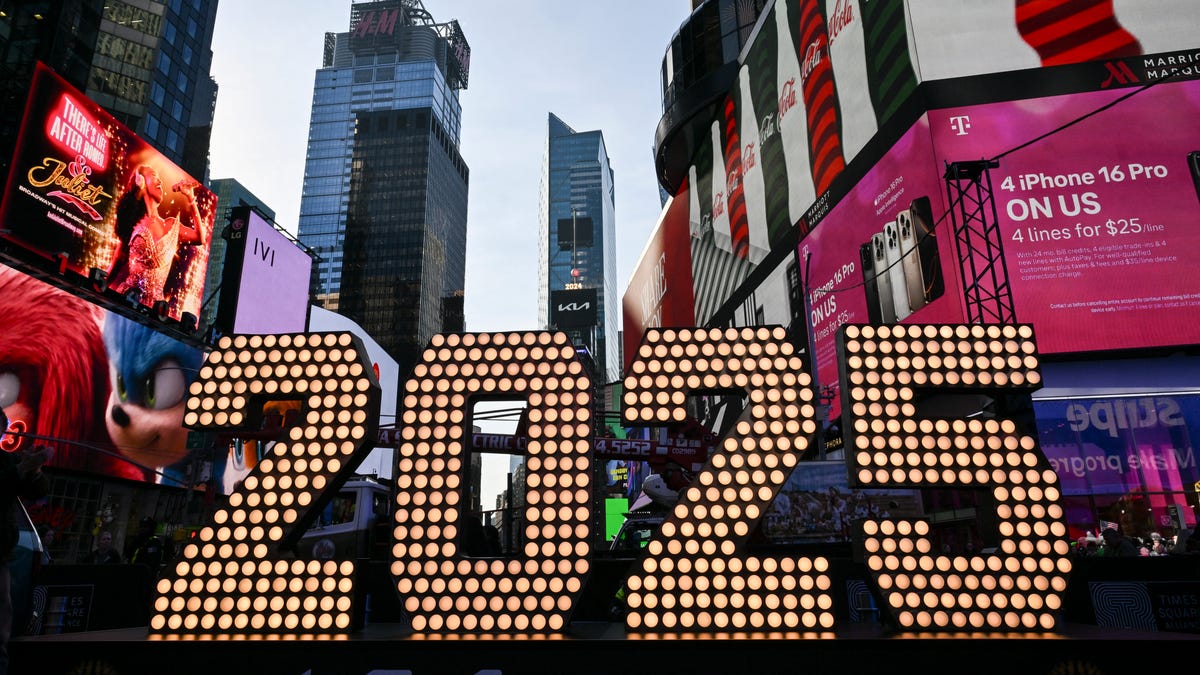
As the world approaches 2026, political commentators are reflecting on the significant events of 2025, particularly the evolving role of former President Donald Trump. Columnists have shared insights on their predictions, highlighting what they got right and what they missed in their analyses over the past year.
A recurring theme among these reflections is the impact of Trump’s influence on the political landscape. Many writers noted that Trump’s persistent presence in American politics has reshaped voter sentiment and party dynamics. Commentators pointed to key moments in 2025, such as Trump’s continued rallies and influence on Republican candidates, as pivotal to understanding the current political environment.
Several columnists acknowledged initial skepticism about Trump’s ability to maintain relevance after his presidency. For instance, one columnist recounted their belief that his political clout would wane significantly. Instead, they found that Trump’s endorsement remained a powerful asset for candidates in various races throughout 2025. This realization underscored the unpredictable nature of modern politics and the resilience of Trump’s brand.
Another columnist reflected on the significance of Trump’s communication style, which continues to resonate with a substantial segment of the electorate. They highlighted that Trump’s direct and often controversial messaging strategy has redefined political discourse, pushing traditional boundaries. This shift has led to increased polarization but also to a renewed engagement among voters who feel represented by his approach.
As 2025 drew to a close, columnists expressed concern about the implications of Trump’s ongoing influence for the upcoming elections. With the Republican primaries approaching, many noted that Trump’s presence could overshadow other candidates, complicating the party’s ability to present a unified front. The uncertainty surrounding the 2026 elections has many analysts revisiting their predictions and reassessing the role of media narratives in shaping public opinion.
This introspection among columnists serves as a reminder of the complexities of political analysis in a rapidly evolving landscape. As they prepare for the next election cycle, they must navigate the unpredictable currents of public sentiment and the lasting effects of Trump’s tenure.
The reflections on 2025 not only highlight the challenges and triumphs of political commentary but also emphasize the necessity for adaptability in understanding the shifting dynamics of power. In a world where opinions are diverse and often contentious, these columnists are tasked with dissecting the implications of their observations while remaining vigilant about the future of political discourse.