








































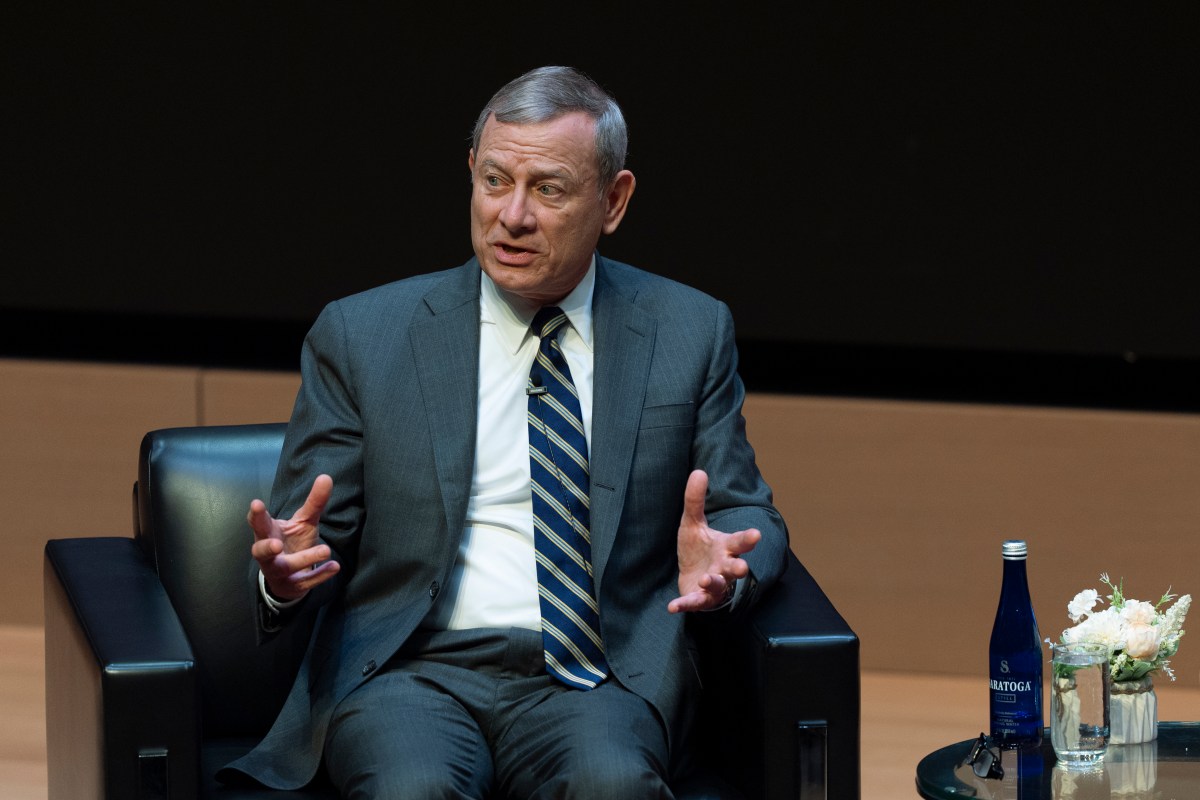
Chief Justice John Roberts recused himself from two significant Supreme Court decisions on January 12, 2024. The Supreme Court’s order list included various rulings, including certiorari grants and denials. Roberts did not participate in the cases of Alaska v. United States, which addresses the balance of state and federal authority concerning land and resource rights, and Bochra v. U.S. District Court for the Northern District of Illinois, which pertains to a rehearing petition related to a lower court ruling. The reasons for these recusals were not disclosed, although they typically occur when justices have prior involvement in a case.
In another notable decision, the Supreme Court declined to review Lujan Claimants v. Boy Scouts of America, effectively upholding a $2.4 billion bankruptcy settlement. This settlement provides protection to local councils and affiliated organizations from future lawsuits filed by victims of childhood sexual abuse. The court’s decision leaves intact a plan that was previously approved by a Delaware court in 2022, which established a compensation fund for over 82,000 victims. This ruling follows an appeal by 75 claimants who argued that the settlement unlawfully obstructed their ability to pursue legal action against supporting organizations, referencing a previous ruling involving Purdue Pharma.
The Supreme Court also granted certiorari in two interrelated cases—Full Play Group, S.A. v. United States and Lopez v. United States—both of which are connected to a wide-ranging investigation into corruption within FIFA. The justices vacated earlier judgments in these cases and returned them to the Second Circuit for further examination, indicating a potential reevaluation of how foreign bribery laws apply to sports executives.
In a separate matter, the Court agreed to review and remand Zielinski v. United States back to the Eighth Circuit, following a recommendation from the Solicitor General for reconsideration. This case raises important questions regarding sentencing enhancements and procedural fairness in the judicial process.
Additionally, the Supreme Court denied numerous petitions, which included high-profile business disputes and criminal appeals, as well as requests for stays and injunctions. Writs of mandamus and rehearing petitions were also rejected across various civil and criminal cases. Notably, in the maritime case of Havana Docks Corp. v. Royal Caribbean Cruises, the Solicitor General was allocated time for a divided argument, reflecting the government’s interest in litigation related to Cuba sanctions.
The Supreme Court’s next scheduled conference will take place later this month, as justices continue to shape a docket featuring pivotal cases concerning administrative power, social media regulation, and immigration. This process highlights the Court’s ongoing influence over significant legal and social issues in the United States.
























