








































The Church of Gaia in Spokane, Washington, recently became the first psychedelic church to receive legal protection for its use of ayahuasca, a psychedelic substance, as a sacrament. This significant ruling allows the church to conduct ceremonies that often involve the consumption of ayahuasca, which can cause intense physical reactions, including nausea and vomiting. Connor Mize, the ceremonial leader of the Church of Gaia, stated, “This is a purely spiritual practice. It’s not a thing you do just for fun.”
Psychedelics are classified as Schedule I substances and are largely illegal in the United States. Nonetheless, over the past two decades, a handful of churches have successfully fought for the right to use these substances in their spiritual practices. Since the early 2000s, four organizations have secured legal exemptions after extensive legal battles with the Drug Enforcement Administration (DEA). The Church of Gaia’s recent achievement marks a shift in this landscape, as it opted to petition the DEA directly instead of engaging in litigation.
The church’s victory is part of a broader trend. According to Sean McAllister, an attorney specializing in psychedelic law, “three new psychedelic practices recognized in the last year – more than half of all the ones ever recognized.” This momentum can be traced back to the early 2000s when a New Mexico-based religious group successfully sued the DEA after the seizure of 30 gallons of ayahuasca tea. The case set a precedent under the Religious Freedom Restoration Act (RFRA), which requires the government to demonstrate a compelling interest before infringing on religious practices.
Legal Landscape Shifts for Psychedelic Churches
Recent developments have seen other churches in Arizona and California gain legal protections for their psychedelic use, largely due to settlements with the DEA. McAllister noted a growing willingness from the government to grant exemptions, stating, “Part of it is because they’ve lost every time they’ve litigated the case.”
The Church of Gaia’s approval process lasted nearly three years, during which time they had to prove that their use of ayahuasca was strictly for religious purposes. This lengthy procedure temporarily restricted the church’s ability to operate. As a result of this ruling, more churches are expected to follow suit. Taylor Loyden, an attorney working with the Church of Gaia, mentioned, “There are some that are in negotiation processes.”
With legal status now secured, the Church of Gaia is planning for future growth. Mize is working on securing visas for Peruvian ayahuasca teachers and constructing a dedicated facility for ceremonies. The church currently has around 70 members, who will participate in rituals that include drinking ayahuasca, listening to traditional Amazonian songs, and engaging in spiritual practices.
The evolving legal landscape may be influenced by changing attitudes toward religious freedoms under the current administration. Legal experts suggest that President Donald Trump’s emphasis on protecting religious rights could facilitate greater acceptance of psychedelics within religious contexts. McAllister remarked, “There is probably in this administration some desire to be a little looser on religious freedom for plant medicine.”
Emergence of New Religious Practices
The number of psychedelic churches in the United States is estimated to exceed 500, according to Jeffrey Breau, who leads a psychedelics and spirituality program at Harvard’s Center for the Study of World Religions. He noted that many of these churches have emerged in the past several years, coinciding with a shift away from traditional religious practices. A recent survey by the Pew Research Center found that four in ten US adults report becoming more spiritual over their lifetime, while only 24% indicate an increase in traditional religious observance.
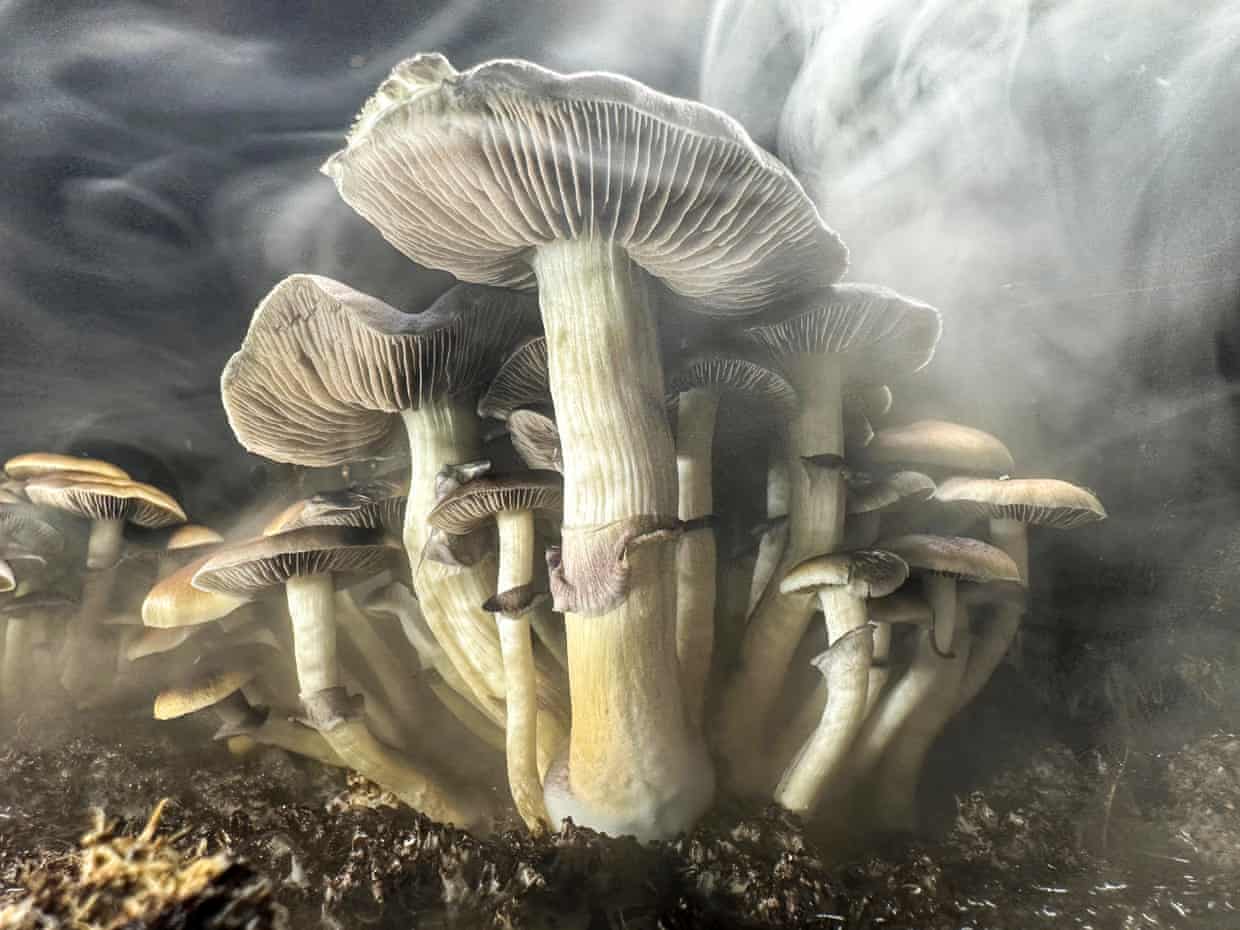
Despite the rising popularity of these churches, operating at the intersection of psychedelics and religion carries risks. Leaders face challenges such as securing insurance and property while navigating the potential for law enforcement intervention. An example of this tension can be seen in the case of Bridger Jensen, founder of the religious group Singularism in Provo, Utah. Last November, he was surrounded by a SWAT team after an undercover officer posed as a member of his church, which uses psilocybin mushrooms in its ceremonies.
Following a police raid that resulted in the confiscation of their mushrooms and criminal charges against Jensen, Singularism successfully sued the state using Utah’s RFRA. This legal maneuver halted criminal proceedings and allowed the church to recover its seized substances, paving the way for further operations as the case proceeds through federal court. If Singularism wins, it could become the first mushroom church recognized in the US, potentially expanding protections for other psychedelic practices.
While all currently exempt churches have focused on ayahuasca, various underground churches use a range of substances, including LSD and MDMA. This raises questions about the legality of multi-sacrament religious groups. Breau noted, “As far as I’m concerned, we would not ask the Catholic church to choose between the bread and the wine.”
At Singularism, ceremonies can cost up to $1,400 per session and often lead participants to confront profound emotional experiences. Jensen expressed that while some sessions are euphoric, others can be uncomfortable and challenging. He hopes that the ongoing legal battles will broaden protections for religious freedom beyond ayahuasca but also warns that reckless attempts to replicate their processes could lead to legal consequences for others. “I think some people will end up going to jail having tried to replicate our process,” he cautioned.
As the landscape for psychedelic churches evolves, the dialogue surrounding their legal and spiritual practices will likely continue to grow, reflecting broader societal shifts in attitudes toward spirituality and substance use.
























