








































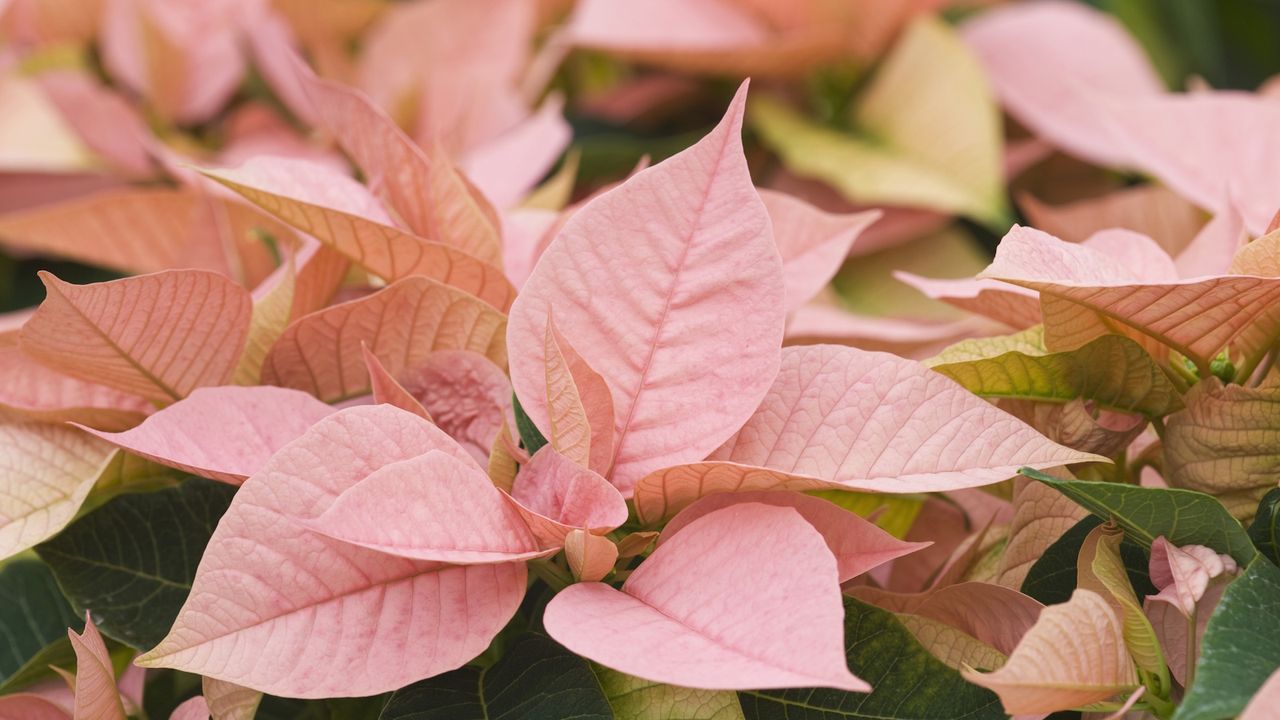
January often brings a post-holiday lull, leaving many wondering what to do with their leftover poinsettias. Rather than discarding these vibrant plants, there are several ways to breathe new life into them. With the right care and creativity, your poinsettia can thrive well beyond the festive season. Experts provide four innovative strategies to repurpose and maintain these plants throughout January.
Transform Wilting Stems into Elegant Cut Flowers
If your poinsettia appears leggy or top-heavy, consider repurposing its stems as cut flowers. Poinsettias, or Euphorbia pulcherrima, can last up to two weeks when cut, making them a stylish addition to any vase. The key to preserving their vibrancy lies in managing the milky sap that can inhibit water absorption.
Start by trimming the stems to your desired length, ideally just below a set of bracts. Immediately dip the cut ends into boiling water for about 20 to 30 seconds. This method effectively clears the sap, allowing for better hydration. Following this, quickly plunge the stems into cold water to seal the ends before arranging them in a bud vase. These flowers not only enhance your home decor but also serve as a reminder of the holiday spirit.
Transition Your Poinsettia to a Patio Plant
While many view poinsettias as temporary indoor decorations, they can thrive outdoors during warmer months. Experts recommend waiting until after the final frost, typically late May or June, when night-time temperatures consistently exceed 13°C (55°F).
James Faust, a poinsettia expert at Clemson University, advises placing the plant in a partially shaded area with well-draining soil. It is crucial to gradually acclimatize the plant to outdoor conditions to prevent shock, a process known as hardening off. Keeping the poinsettia in a container allows for easy relocation indoors as temperatures drop.
Before moving it outside, prune the plant back to about 10 to 15 centimeters (4 to 6 inches) in April to encourage bushier growth, ensuring a healthier plant for the summer.
Create a Winter Transition Potpourri
If your poinsettia has shed some leaves or you’re ready to clear space on your sideboard, consider using the colorful bracts for homemade potpourri. These leaves retain their vibrant colors remarkably well when dried, making them a beautiful addition to your decor.
To create a fragrant blend that navigates the shift from winter to spring, air-dry the bracts on a paper towel for 5 to 7 days until they are paper-thin. Combine the dried leaves with orange slices for brightness, star anise for visual appeal, and eucalyptus leaves for a fresh aroma. Avoid heavy oils; instead, opt for a few drops of cedarwood, white thyme, or lemongrass essential oils to infuse your home with a refreshing scent.
While handling cut poinsettias, it is advisable to wear gloves to avoid irritation from the sap.
Preserve Your Poinsettia in Botanical Art
For a more permanent way to celebrate your poinsettia, consider incorporating its vibrant bracts into resin art. This technique allows for the creation of lasting home decor items, such as coasters, jewelry, or window hangings.
Vladan Nikolic, a houseplant expert and founder of Mr. Houseplant, highlights the value of preserving the plant’s color long after the holiday season. To prepare the leaves for casting, dry them thoroughly by removing the leaves and flower heads, then flattening them between the pages of a heavy book for 7 to 10 days.
Once the leaves are dry, use silicone resin molds to craft your art. Pour a base layer of clear resin, arrange your dried leaves carefully, and seal with a final layer according to the product instructions. This method not only preserves your poinsettia but also creates a sustainable holiday tradition by allowing you to craft decorations for future festivities.
In conclusion, whether you opt for transforming your poinsettia into cut flowers, transitioning it outdoors, creating potpourri, or crafting resin art, there are numerous ways to extend the life of this beloved plant. With the right care and a bit of creativity, your poinsettia can flourish well beyond January, contributing to your home decor for months to come.
























