








































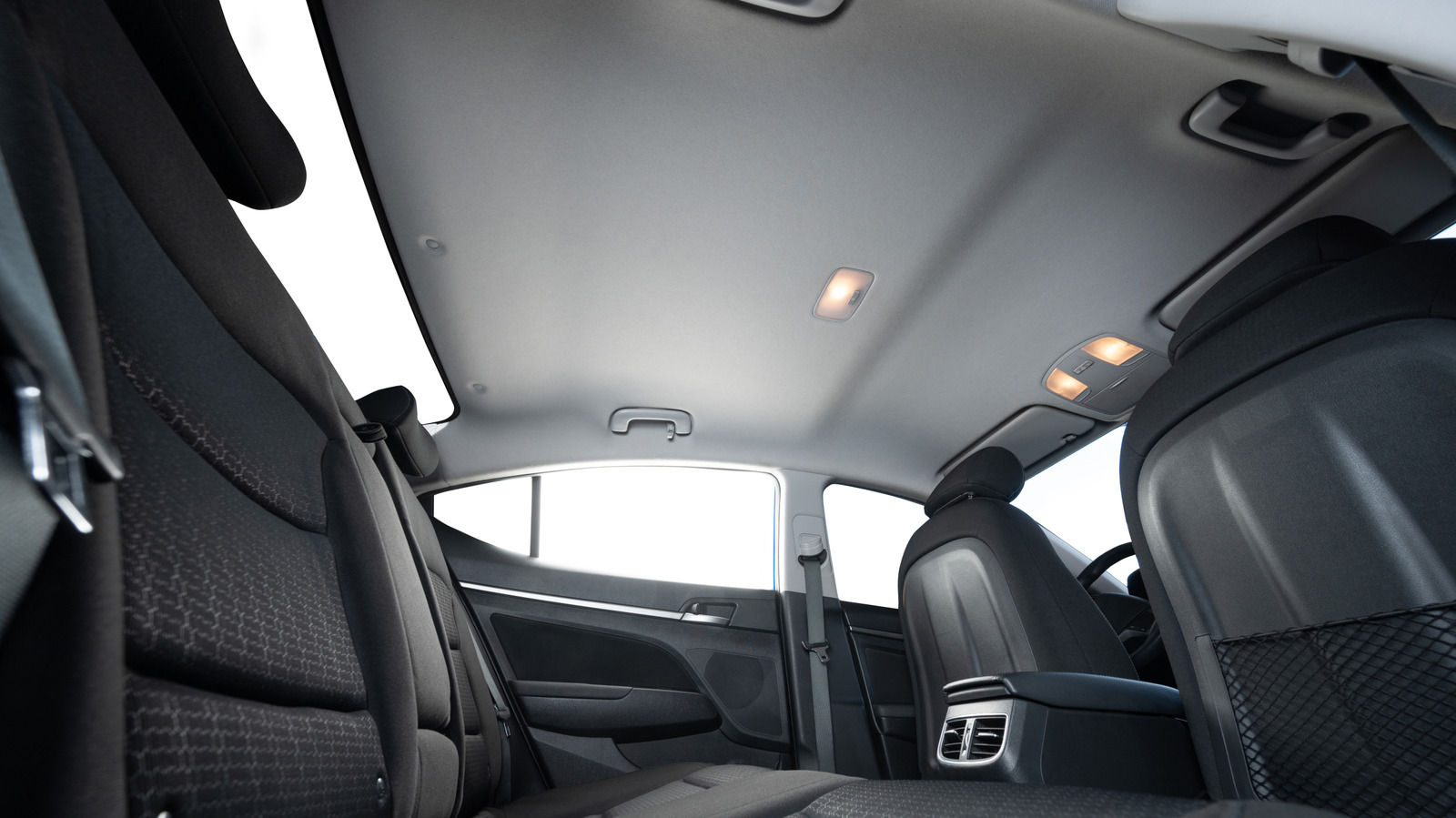
Modern car design has evolved significantly over the past few decades, shifting towards minimalism, ambient lighting, and the use of sustainable materials such as polymers and synthetic leather. While many car enthusiasts focus on customizing seats and trim pieces, the headliner—the fabric lining the interior roof of a vehicle—often goes overlooked. According to AutoZone, selecting the right material for your car’s headliner can greatly enhance the overall feel of the cabin.
The most popular choice for headliners is foam-backed fabric. This material is lightweight, affordable, and relatively easy to install, providing a factory look that appeals to many car owners. However, the decision on which headliner material to use can be complex, as several options exist, each with its distinct advantages and disadvantages.
Headliner Material Options: Pros and Cons
Fabric-backed foam consists of a laminated fabric layer glued to the roof of the vehicle. It is known for its ability to stretch, which helps prevent wrinkles. While it generally resists sagging early in its life, prolonged exposure to heat can weaken the adhesive, causing the headliner to droop. Most factory-installed headliners employ this material due to its favorable characteristics.
For vehicles frequently exposed to humid conditions or high usage, a vinyl headliner may be a more suitable alternative. Vinyl is exceptionally durable, easy to clean, and less susceptible to damage from adverse weather conditions. This makes it a popular choice for convertibles and other vehicles with vinyl roofs. However, vinyl lacks the softness and sound-dampening qualities of fabric, and repairs can be more challenging.
Luxury vehicles often feature suede or microsuede headliners, which provide a rich texture and upscale appearance. While true suede is typically the most expensive option, microsuede offers a more affordable alternative. Both materials can be difficult to install due to their stretching challenges and may require special care when cleaning.
Another option is polyester, which is known for its durability, affordability, and stain resistance. This synthetic material is available in a variety of colors and textures, making it a versatile choice. However, it may not provide the same premium feel as fabric or suede headliners.
Ultimately, the best choice of material will depend on personal priorities, including budget, desired aesthetics, and specific usage conditions.
Maintaining Your Headliner
To keep your headliner looking its best, begin with regular maintenance. Start by vacuuming to remove loose dirt, followed by a dry cleaning with a microfiber towel. Always select cleaning solutions that are appropriate for the specific material of your headliner. After applying the cleaner, brush it into the headliner and allow it to dry before addressing any stubborn stains.
Regular cleaning can help prevent long-term damage, such as unsightly stains that might necessitate complete replacement. For those skilled in using a steamer, this can be an effective cleaning method as well, though caution should be exercised to avoid damage.
Protection from sunlight is crucial, as direct exposure can lead to fading and deterioration. Any leaks from windows, sunroofs, or windshields must be repaired promptly to prevent moisture buildup, which could lead to mold. Address small issues, such as partial sagging, before they escalate into larger problems.
To maintain a clean and well-kept headliner, vacuum every month, encourage passengers to avoid touching the ceiling, and consider using dehumidifiers within the vehicle. Seasonal deep cleaning is particularly important for light-colored headliners, which are more prone to showing wear and stains.
By understanding the various options for headliner materials and the importance of maintenance, car owners can enhance the interior quality of their vehicles while ensuring a comfortable driving experience.
























