








































On the evening of March 15, 2024, the Boston Bruins will illuminate TD Garden with vibrant rainbow lights as part of their annual “Hockey Is for Everyone” night. This event, which has taken place for nearly a decade, aims to foster inclusivity and raise funds for the Boston Pride Hockey league. This year, the spotlight on LGBTQ+ inclusivity in hockey is heightened due to the success of the HBO series “Heated Rivalry.”
The show, which explores a romantic relationship between two closeted professional hockey players, has gained significant traction beyond the LGBTQ+ community, emerging as a pop culture phenomenon. Its popularity raises an intriguing question: Could “Heated Rivalry” inspire more LGBTQ+ players to come out in a sport that has never seen an openly gay player, either active or retired?
NHL Commissioner Gary Bettman expressed enthusiasm for the series, stating he binge-watched all six episodes in a single night. He recognized the show’s potential to engage new fans, saying, “We’re well aware of ‘Heated Rivalry.’ In terms of embracing it, I think it’s a wonderful story.” The series has not only captured the attention of hockey fans but has also become a subject of humor on shows like “Saturday Night Live,” showcasing its broad appeal.
As interest in hockey grows among previously disengaged audiences, various events, including look-alike contests and trivia nights themed around “Heated Rivalry,” have drawn substantial crowds. Ryan Leblanc, a newcomer to the sport, stated, “I bought a Bruins ticket, and I’ve never been to a game in my life,” highlighting the show’s reach beyond traditional hockey fans.
Despite the excitement surrounding the series, some experts caution that it may not directly lead to NHL players publicly coming out. Jim Buzinski, cofounder of LGBTQ+ sports news site Outsports, noted the deeply personal nature of the coming-out process, emphasizing that it often occurs after retirement for many athletes. The first active player in the major American sports to come out was NBA player Jason Collins in 2013, while hockey’s Luke Prokop became the first openly gay player under contract in the NHL, though he has yet to play in a game at the professional level.
While the impact of “Heated Rivalry” on individual players remains uncertain, it could play a pivotal role in altering perceptions within the sport. Edward Kian, a professor of sport management at Chowan University, remarked, “If the show can get more hockey fans to accept that some of the 736 athletes on NHL active rosters must be gay, then that could theoretically lead to more gay hockey players feeling welcomed enough to come out publicly.”
Hockey’s culture, often characterized by its physicality and hypermasculinity, poses additional challenges for LGBTQ+ athletes. The stigma associated with being gay can create an environment where players feel pressured to conform to traditional masculine ideals. Jett Stone, a clinical psychologist, explained that players may perceive differences as liabilities, which can deter them from expressing their true identities.
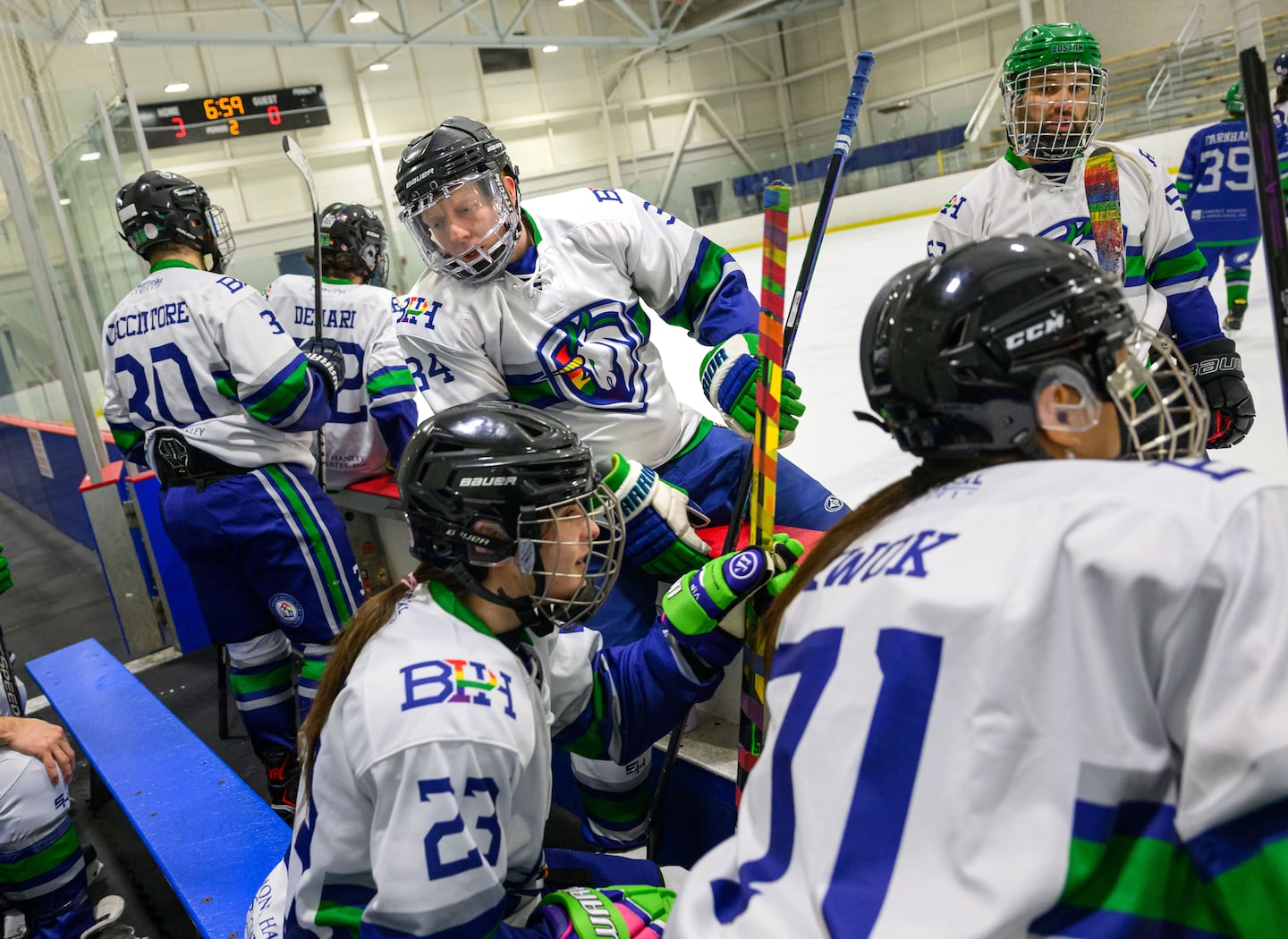
Many LGBTQ+ individuals have faced challenges in the sport, leading some to step away altogether. Kevin Corsino, a player for Boston Pride Hockey, shared his journey, stating, “I knew how to skate before I could walk.” After experiencing homophobic banter in traditional leagues, he found a welcoming environment in Boston Pride Hockey, which has grown to about 400 members.
Jackie Farnham, another player in the Boston Pride Hockey league, noted that the intensity of homophobic language in high school hockey drove him away from the sport. He remarked, “It’s just so hypermasculine and aggressive,” indicating the need for a more inclusive atmosphere.
Since the airing of “Heated Rivalry,” Corsino has received numerous inquiries from LGBTQ+ players who previously distanced themselves from hockey, expressing hope that the show will encourage them to return to the ice. The NHL has also taken steps to promote inclusivity, partnering with organizations like You Can Play to ensure that LGBTQ+ athletes feel welcomed in the sport.
While the league has faced backlash regarding its policies on displaying pride symbols, including a temporary ban on specialty jerseys and Pride tape, it has made adjustments in response to player feedback. The positive reception of “Heated Rivalry,” however, suggests that its influence might extend beyond NHL policies and create a cultural shift within the sport.
Cheryl Cooky, a professor at Purdue University, emphasized the importance of diverse storytelling, stating that the series resonates with both LGBTQ+ and straight audiences. She expressed hope that this visibility will create a safer and more inclusive environment for all athletes.
Regardless of whether “Heated Rivalry” leads to more players coming out, it has provided a significant narrative for the LGBTQ+ community—a complex and beautifully portrayed love story that mirrors the experiences of many. Buzinski noted, “The show has given us a fairy tale romance. Straight people have had fairy tale romances forever. Finally, we have one.”
The Boston Bruins’ celebration of the LGBTQ+ community serves as a testament to the ongoing efforts within hockey to create a more inclusive and accepting environment, and the buzz surrounding “Heated Rivalry” may very well be a catalyst for change.
























